



Author | Marcos MartinezThe power used in artificial intelligence has been doubling every 3.4 months, according to Open AI. These are completely unsustainable metrics, even eclipsing cryptocurrencies. This acceleration, measured in petaflops per day, has even defined a new period in the era of computer science, leading to what is now known as the Modern Era, as opposed to the First Era.Artificial intelligence is a transversal technological creation. This means it there is a place for it in all our processes, and it is estimated that in the new 20s, it will penetrate into all our technology: smart cities, justice, medicine, industry, streaming platforms, videogames, etc.
Why does artificial intelligence consume so much?
In 2019, an encouraging study by the MIT admitted that existing neural networks are rough and not very efficient. According to these researchers, neural networks could be 10 times smaller without affecting their performance. But, since 24 is more than 10, miniaturising all artificial intelligences today based on neural networks would take us back to an electricity consumption of around 13.6 months ago (based on the figure indicated in the first paragraph: 4·3.4 months). Although appealing, it is not a solution to the increased consumption challenge.The main problem is that AI is so incredibly versatile as to leave any sector intact. A study by McKinsey in 2019 indicated how we will use artificial intelligence in absolutely everything: from retail to insurance. The thing is deep learning systems are incredibly accurate.How can we switch AI off when its in-depth learning network can so accurately assess a computerised thorax CT scan, AI detects a metastatic cancer better then physicians, a neural network beats dermatologists at detecting skin cancer or is capable of identifying depressed people on social media? Obviously, we can’t.
AI used in cities
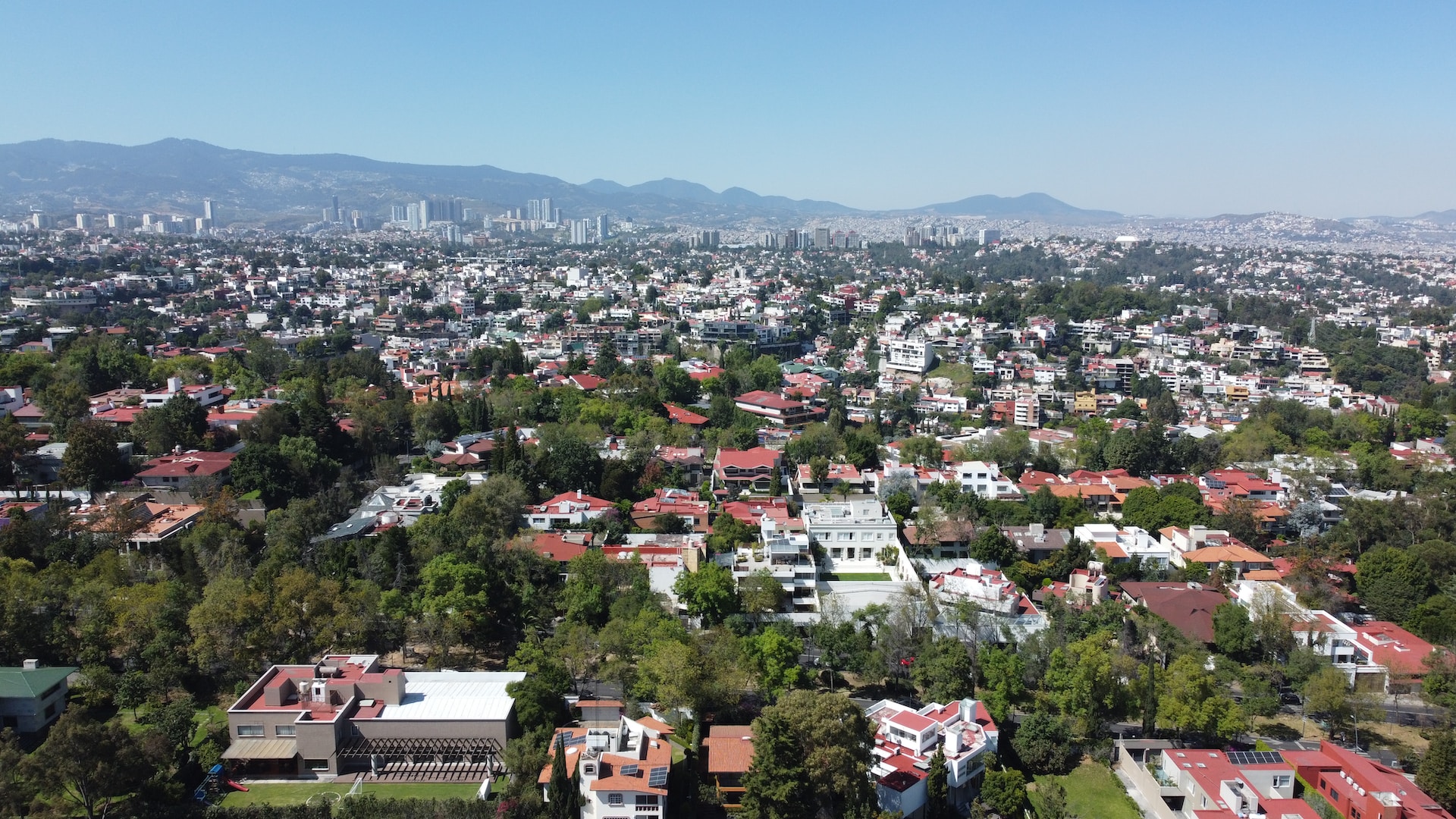
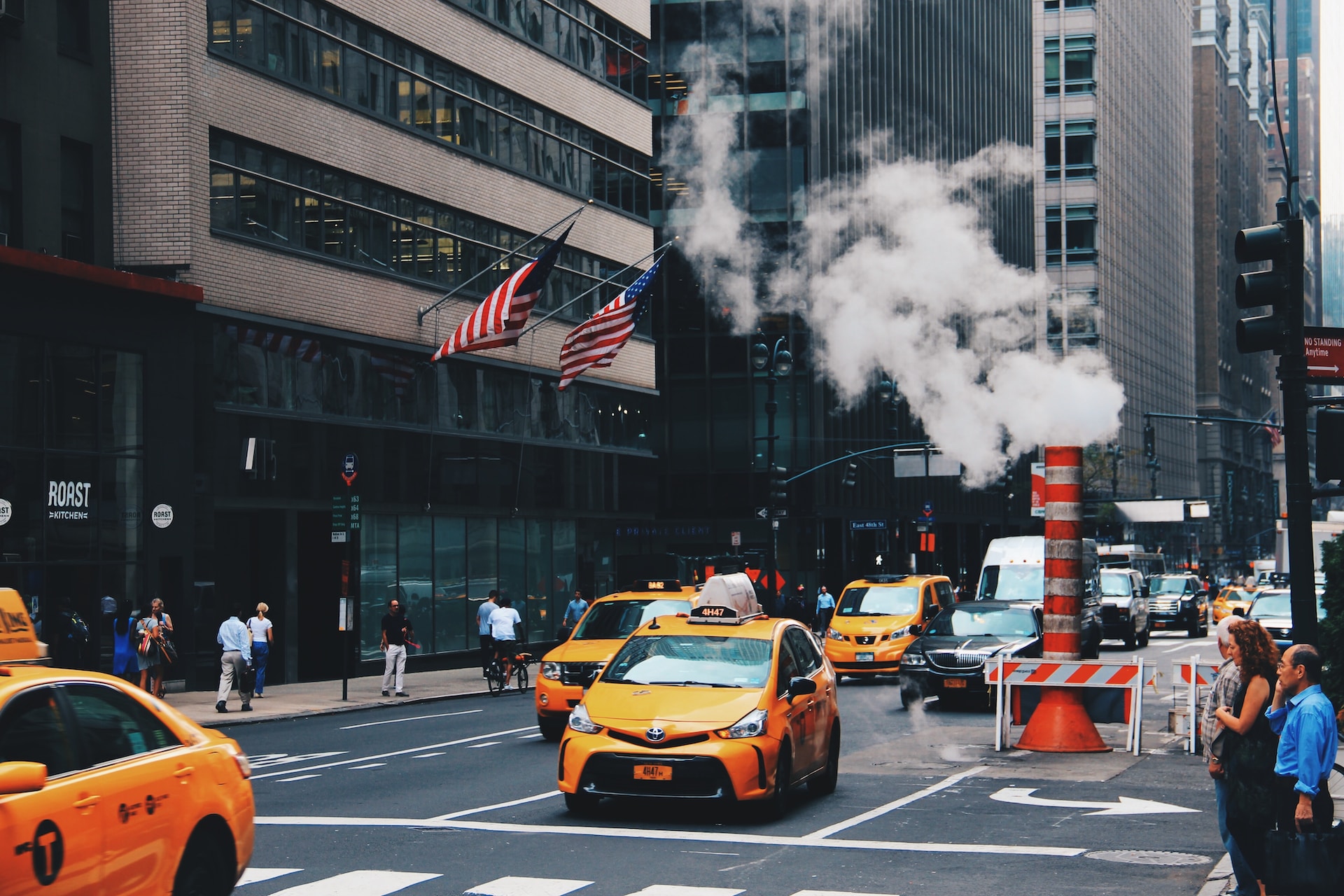
 One of the intensive uses of artificial intelligence can be found in Chinese cities. Xinjiang and Hong Kong are two of the environments with the most video surveillance in the world. This basically consists of recording videos, sending them to data centres and identifying data patterns such as faces. And this has a cost.Processing these images in record time is a labour intensive industry in terms of energy. However, it is not the only one. In Europe the AI4Cities initiative intends to decarbonise the economy in four phases, all of them highly dependent on the use of AI.Both in the USA and in China or in Europe artificial intelligence is being used to improve urban mobility. AI is also talked about as the technology that will prevent traffic jams, increasing the load capacity of roads in the process, which in turn will increase cars by the second and their average speed.
Will we learn how to use artificial intelligence wisely?
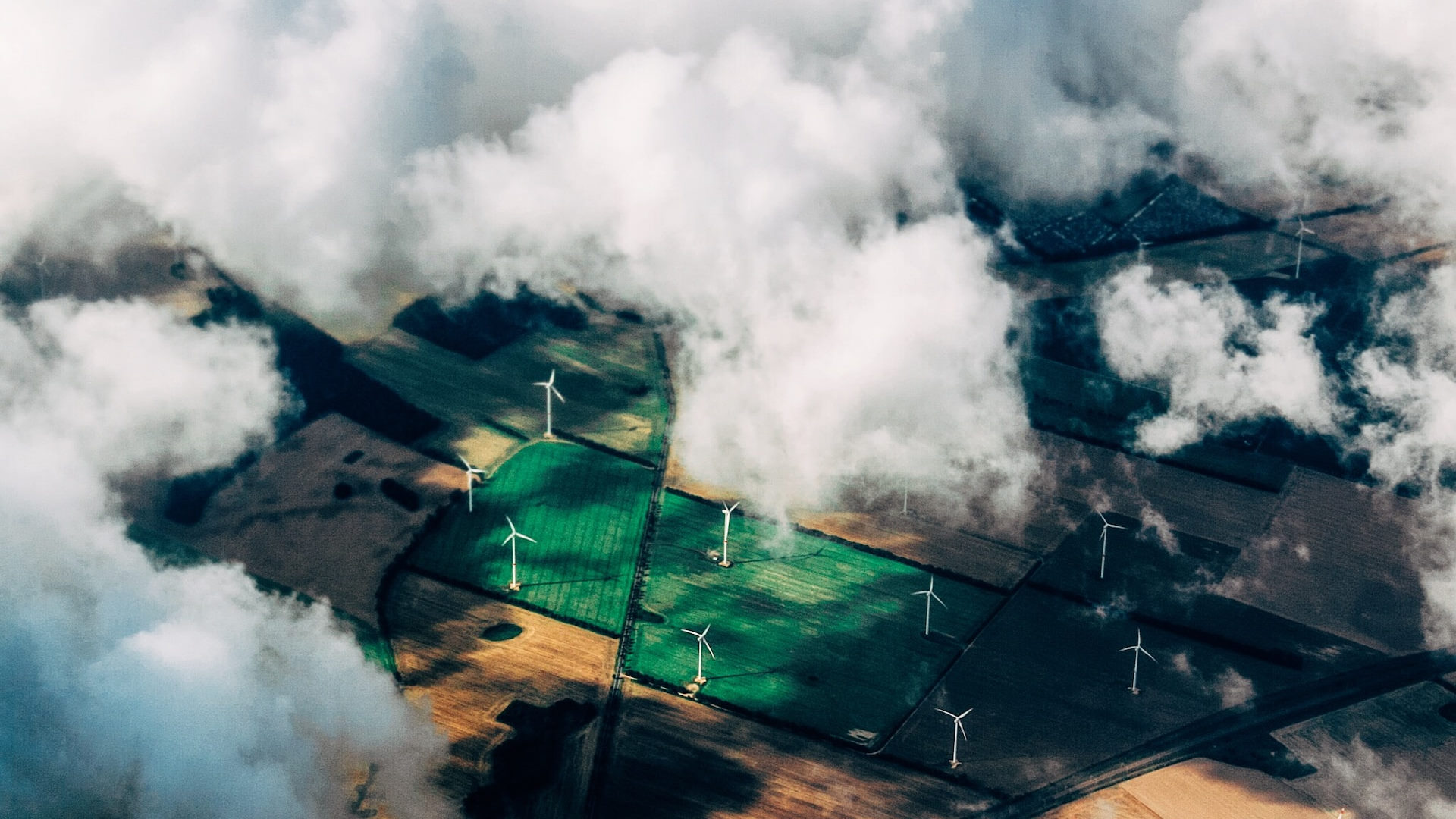
You don’t have to be a doctor in energies to understand that a city that increases the average speed of its vehicles and the number of vehicles, is not the kind of solution we are looking for as an alternative to owned vehicles. Will we be able to stop the exponential energy consumption in our calculations?Artificial intelligence is in essence, a notably accurate calculator, and its calculations help us to optimise smart electricity networks to minimise expenses. Furthermore, the preventive maintenance via AI of networks is just around the corner, which constitutes an energy investment, not an expense.Kardashov designed a scale which determined the type of civilisation based on its energy consumption (always on the up). Perhaps we will not be able to stop consuming more energy, but we will be able to choose where we get it from. Therefore, the smart use of AI will enable us to develop renewable energies. In the absence of a real solution, at least we can mitigate its environmental impact.Images | iStock/Nadine_C, Nick Loggie