



Author | M. Martínez Euklidiadas
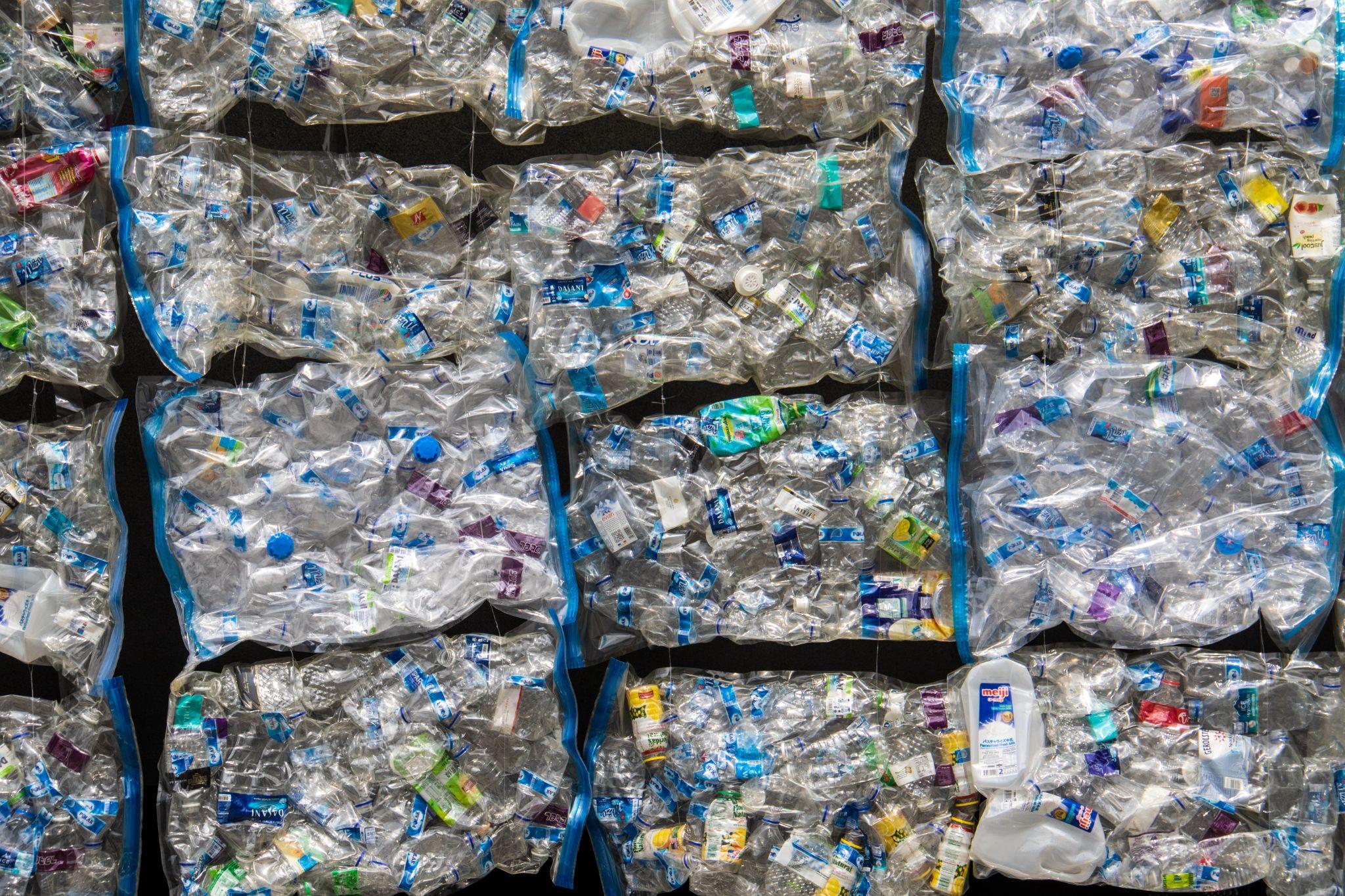
When Mike Davis published Planet of Slums in 2006, he warned how technological waste from the West and from rich countries was shaping Africa’s new poor suburbs, lawless megacities that form conurbations of mountains of technological and electronic waste in the process of being incinerated to recover the valuable metals they contain. What is the impact of electronic waste on cities?
The current avalanche of urban e-waste
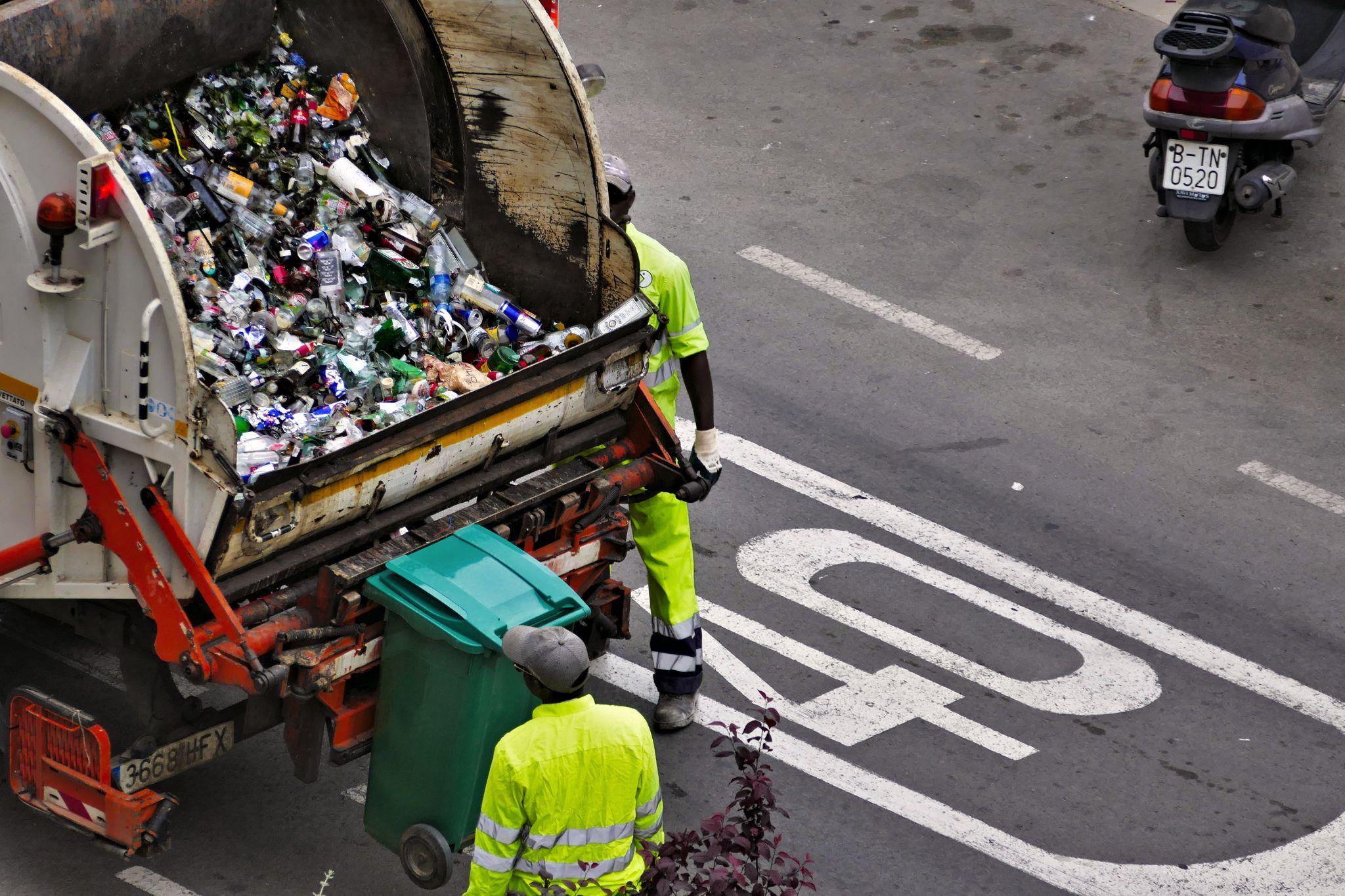
According to The Global E-waste Monitor 2020, the United Kingdom produced 23.9 kg per capita of electronic waste per year, France and the United States 21, Japan 20.4, Germany 19.4, etc. The OECD manages similar figures, with Norway at the head of the list with 26 kg/cap year. According to latest figures for 2022, 83% of e-waste is not treated correctly, a polite way of saying that it ends up in landfills on the outskirts of poor cities in poor countries.

A flow of waste from rich cities to poor cities
In a complex paradox, e-waste from residents in cities in rich countries has for decades been one of the driving forces behind the growth of poor cities on other continents. But this is an unsustainable and dangerous illusion.
In 2017, China refused to continue to be the garbage collector of the West when it realized that the apparent wealth of being the largest recycler in the world was actually concealing the destruction of its natural heritage and poisoning its residents. The country was accused of "breaking the global recycling system", when, in fact, it never actually worked properly at all.
Despite the drama, the transfer of e-waste from rich countries to very poor countries has, in a way, helped these cities to develop separation and recycling processes, but at the expense of the health of the local population, as seen in Agbogbloshie or Dharavi.

Agbogbloshie, Acra (Ghana), the most polluted neighborhood in Africa
The neighborhood of Agbogbloshie has probably been the most polluted place in Africa for decades, as a result of contamination from lead, beryllium, cadmium and mercury. Despite attempts by local governments to dismantle the area, these piles of waste attract the young rural population for whom, unfortunately, exposure to premature cancer, is often better in the short term than remaining in their villages. Europe’s e-waste is their only source of income.
Dharavi, Mumbai (India)
The largest shanty town in India, Dharavi, has been trying for some time to strictly organize the waste that arrives at its blurred borders. India’s tenacity has transformed this vastly spreading informal settlement into one of the largest recycling factories in the world in terms of volume. At the expense of the health of the Dharavi people, of course.
Urban mining, a partial alternative to e-waste
If we indicated above that the global recycling system never worked, it is because process are needed that recirculate materials instead of moving them along a straight line from their extraction to disposal into landfills.
The aim of urban mining is for electronic materials not to leave the city, but rather to circulate around it in different treatment systems to prevent new resources from being mined.
Images | Hafidh Satyanto, OCDE, Global Transboundary E-waste Flows Monitor 2022