



Author | M. Martínez Euklidiadas
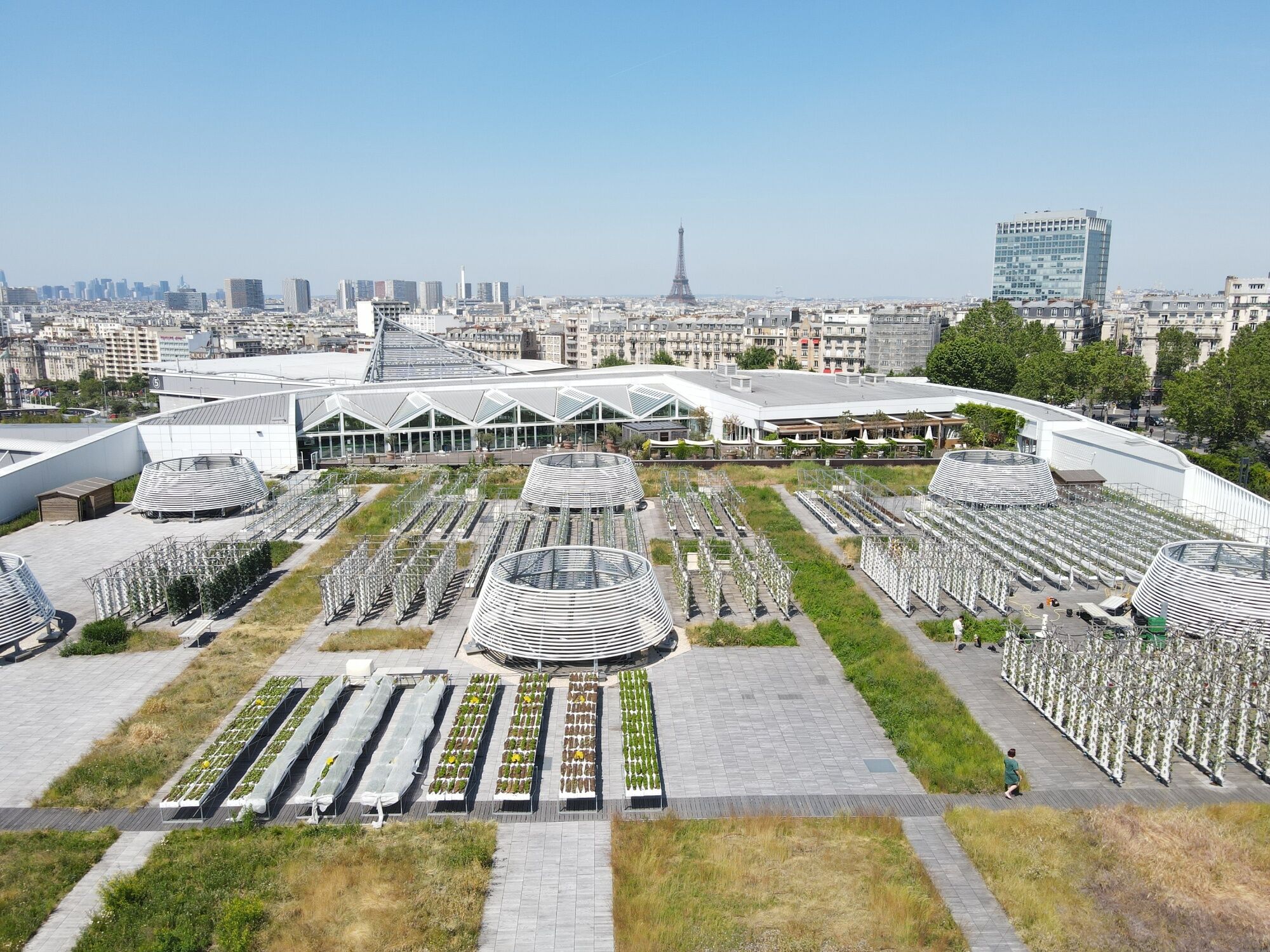
If cities are considered a machine or an organism, then the vegetation within them acts as filters or kidneys, ridding the air of substances including volatile organic compounds (VOCs), CO~2~, heavy metals and other elements. But they have their limits. Could genetically modified plants like Neoplants (Neo P1) clean the air in cities?
How does vegetation ‘work’ to clean the air?
Through their normal behavior, plants remove certain compounds from the air, for example by storing carbon in soil or within them. However, they not only function as a catch basin for this molecule.
In 1989, NASA proved that certain indoor household plants also removed volatile organic compounds (VOCs). The term indoor is important, and pointing out that vegetation only removes between 1% and 5% of chemical pollution in urban environments.
This is how the highly efficient pothos houseplant Neo P1 works to clean VOCs
Is there room for improvement? This is the idea of Neoplants, a private French startup that has managed to raise $20 million in funding, and sells genetically designed plants to remove indoor air pollution from households or offices.
The Neo P1 plant is a genetically modified type of pothos and its first product to go on sale. How much does the Neo P1 cost? At the moment, it is $179 but the designers hope to drop the price to $20 in a few years.
This plant’s DNA has been (slightly) modified to produce new types of enzymes that can metabolize air pollutants, and it works better than other plants in absorbing VOCs (which HEPA filters let through). In their white paper they document their references, which includes a filtration capacity equivalent to 30 conventional pothos.
Benefits of genetically modified plants
Genetically modified plants (GMPs) are a technological boost and a support mechanism for human activities and growth. For example, golden rice is a genetically modified crop containing large amounts of vitamin A and which is freely accessible in developing countries.
Genetically modified plants have associated benefits such as resistance to certain pests, the capacity to adapt to the environment, improved production or tolerance to herbicides. Although, on the other hand, this modification is not always necessary.
The risks of applying technology instead of solving the underlying problem
Unfortunately, apart from "supporting human activities and growth", GMO technology could also bolster that growth, turning that carbon sequestration into the perfect excuse for climate inaction (as is the case with CCS).
Another issue with this technology, apart from the fact that the DNA of future plants is subject to investment fund privacy rights, is that, as with the carbon capture technology, they are technical patches.
They are, or they will, be useful, (if we can get them to work the European Commission or the International Energy Agency are waring of the risks of CCS technology that is still in development), but that does not focus on the problem of reducing emissions, but rather treating the symptoms
Image | Carlos Torres