



Author | Pablo Vinuesa
There is an increasing amount of information available certifying the negative impact of nature deprivation in our environment, while the benefits of having large green areas in urban spaces are varied. Below we outline some of these and what ideas could help to build greener and smarter cities.
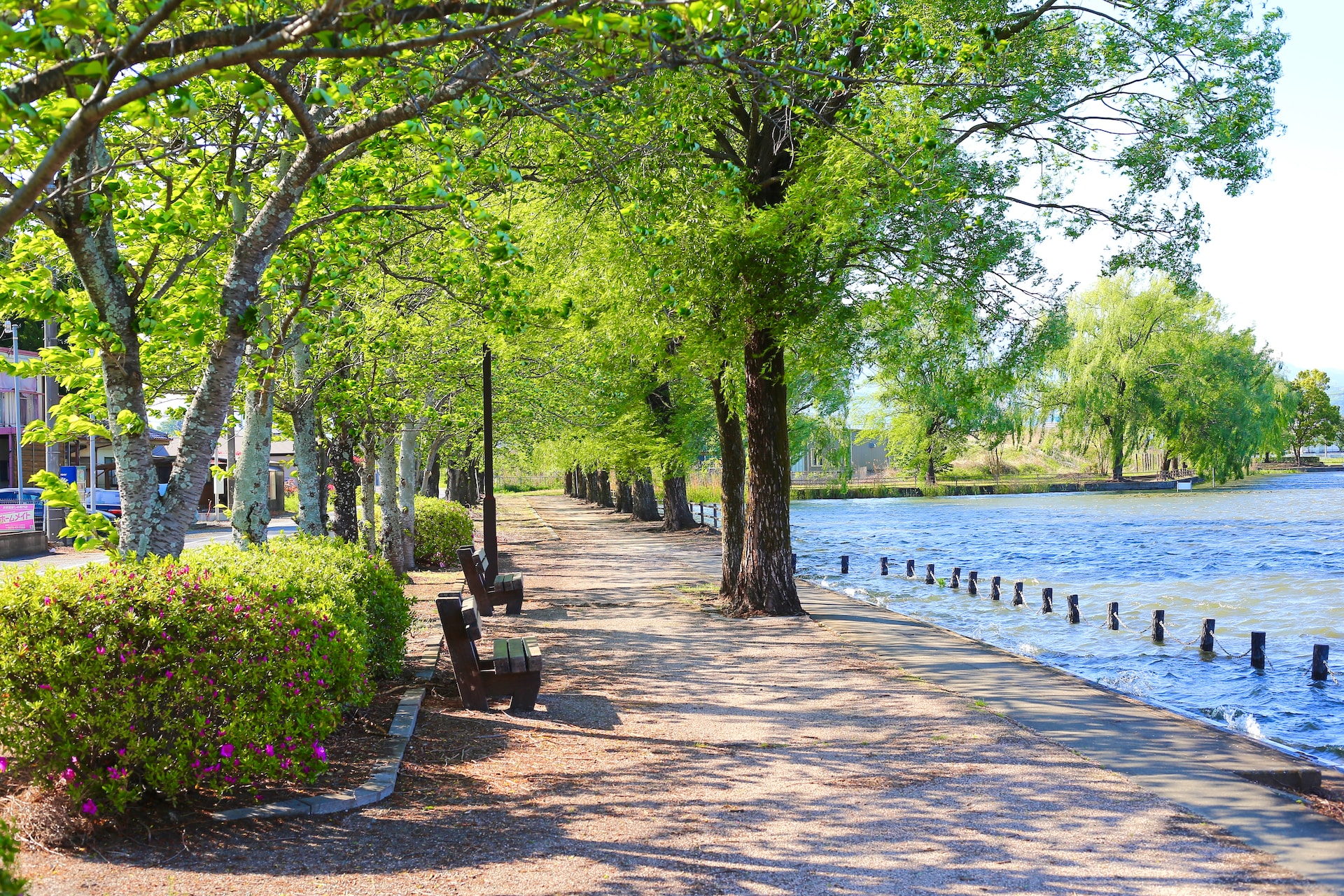
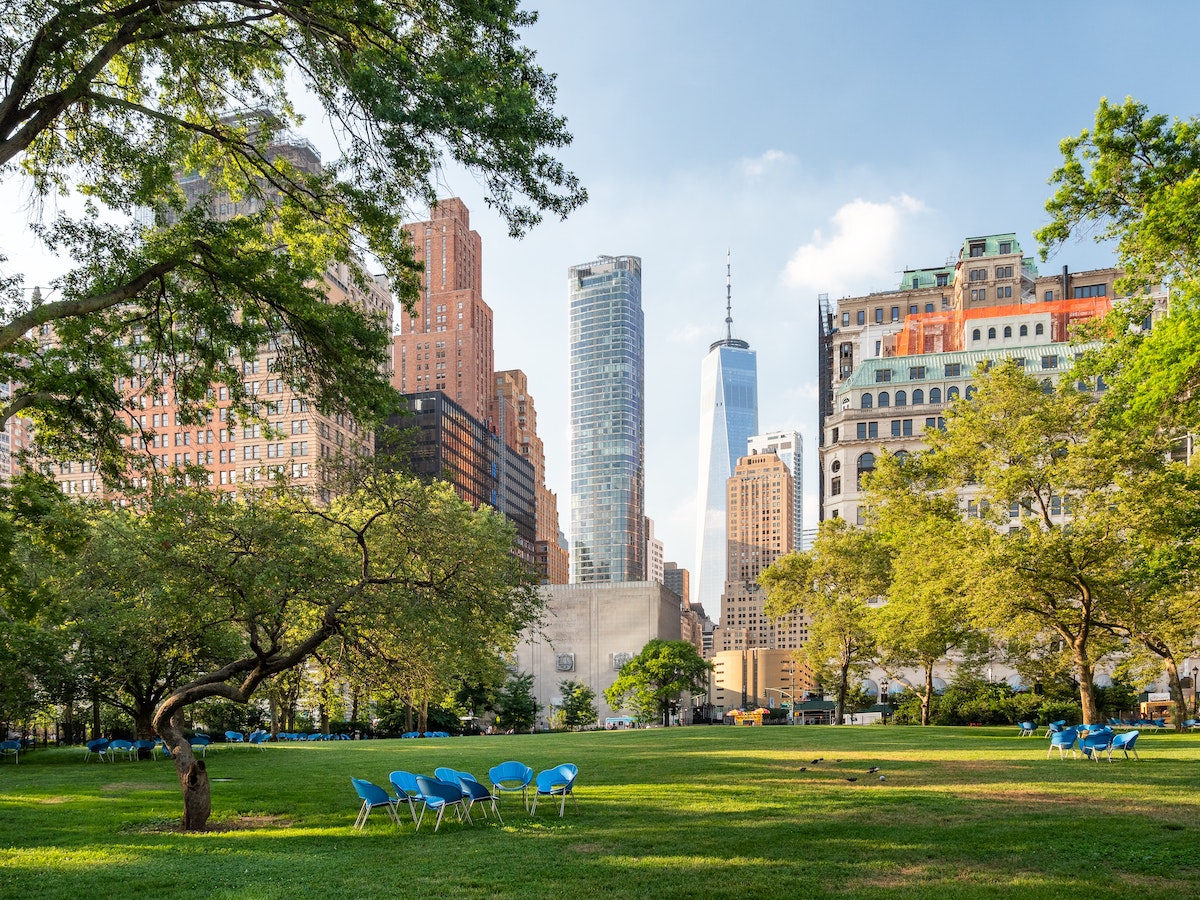
According to the World Health Organization (WHO), parks, green areas and watercourses are solutions for urban health. Specifically, it defines green spaces as "an essential resource to provide healthy and sustainable living environments" and it estimates that ideally, everyone should live within 500 linear meters of a green space. That is, these green spaces should be located within a five-minute walk from their homes. But, are our cities prepared?
What is a green space within a city?
Firstly we should clarify what we understand as "green space". A standard definition of a green zone, area or space would be a defined piece of land with vegetation. Therefore, we could be referring to parks and gardens, but also to forests or jungles. As they all have distinct characteristics, when referring to a green space it is understood that we are referring to those located within cities.

These can be divided into two types, natural or not natural, depending on whether humans have intervened in their development. In general, urban or suburban green spaces tend to be occupied by plants, trees or shrubs and offer leisure or decoration activities, although, sometimes, they are considered protected spaces given their environmental importance.
Why are green spaces so important in cities?
Details regarding the impact of the lack of green spaces in cities on the population are frightening. A study published by The Lancet Planetary Health, with information obtained from thousands of European cities, estimates that 43,000 deaths per year are caused by a lack of green spaces. The name given to green spaces as the "lungs" of a city is painfully true.
What are the benefits of green spaces in our cities?
Mental health benefits
Access to nature is essential for humans and has an impact on our mental health. According to numerous studies, it helps reduce stress and improves both concentration and increases happiness. It is particularly beneficial for children and older people, although it is related to improved mental health in general. There is even an interesting line of investigation that relates violent behaviors with fewer green urban landscapes.
Physical benefits
Parks and gardens are an oasis in the middle of cities, extremely valuable resources for improving our health and physical condition. Studies in this regard confirm that long-term contact with nature is linked to longer lives. And it promotes healthy lifestyles and sport: enjoying sports activities in nature is even more beneficial. Hence the interest in enjoying sport outdoors, for example in calisthenics parks.
Social benefits
One only has to think of traffic jams, crowds and pollution to understand why green spaces generate so many social benefits. Among them, improved social relationships and a strengthened sense of community, as these can be developed in more pleasant surroundings for community living. Or how they favor environmental awareness, particularly among the younger population.
Ways to increase green spaces in cities
The creation or refurbishment of green spaces is not just a good tool for combating the pandemic, but it is also an essential long-term strategy. Given the normal lack of space available in cities, the greatest challenge today is finding the way to reconvert urban land in order to reach the 10-15 meters of green space recommended for every citizen.
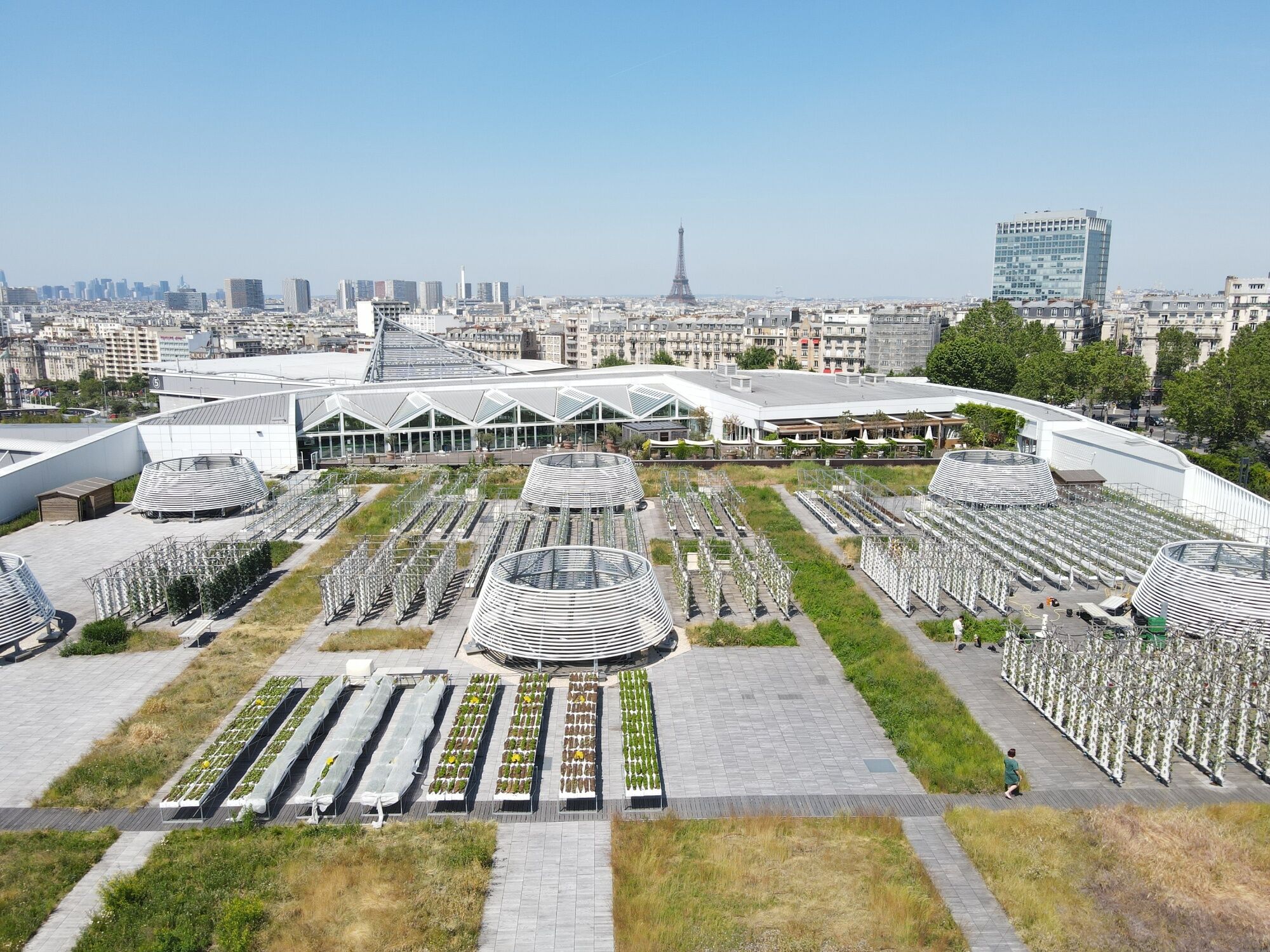
Cities need to look for alternatives, but some solutions may help create natural layers of biodiversity. Apart from public green spaces, the interior spaces in our homes can be reconverted, together with community rooftops and even walls and facades, in the form of vertical gardens. Afterall, plants improve air quality, they release oxygen into the air and function as a protective barrier against environmental noise.
A smart urban approach
The use of technology may be able to help significantly with this task. Tools such as Big Data, artificial intelligence or the Internet of Things (IoT) enable cities to advance towards a more advanced model of sustainability in urban settings, the connectivity of which can facilitate, among others, smart lighting or advanced and therefore, less polluting transport networks.

Which city has the most green urban spaces?
With over 2,220 hectares of green areas open to the public, Copenhagen dominates the top of the ranking. There are also interesting cases such as Singapore or Cancun, but there are over 90 cities within the C40 group, an international organization that joins forces to reduce emissions and adapt to climate change. Chicago, Dar Es Salaam, Auckland or New York, among others, propose urban planning innovations that favor energy efficiency, generating clean energies and optimizing public transport or waste management.
Images | Dimitry Anikin, Yen Le, Danist Soh