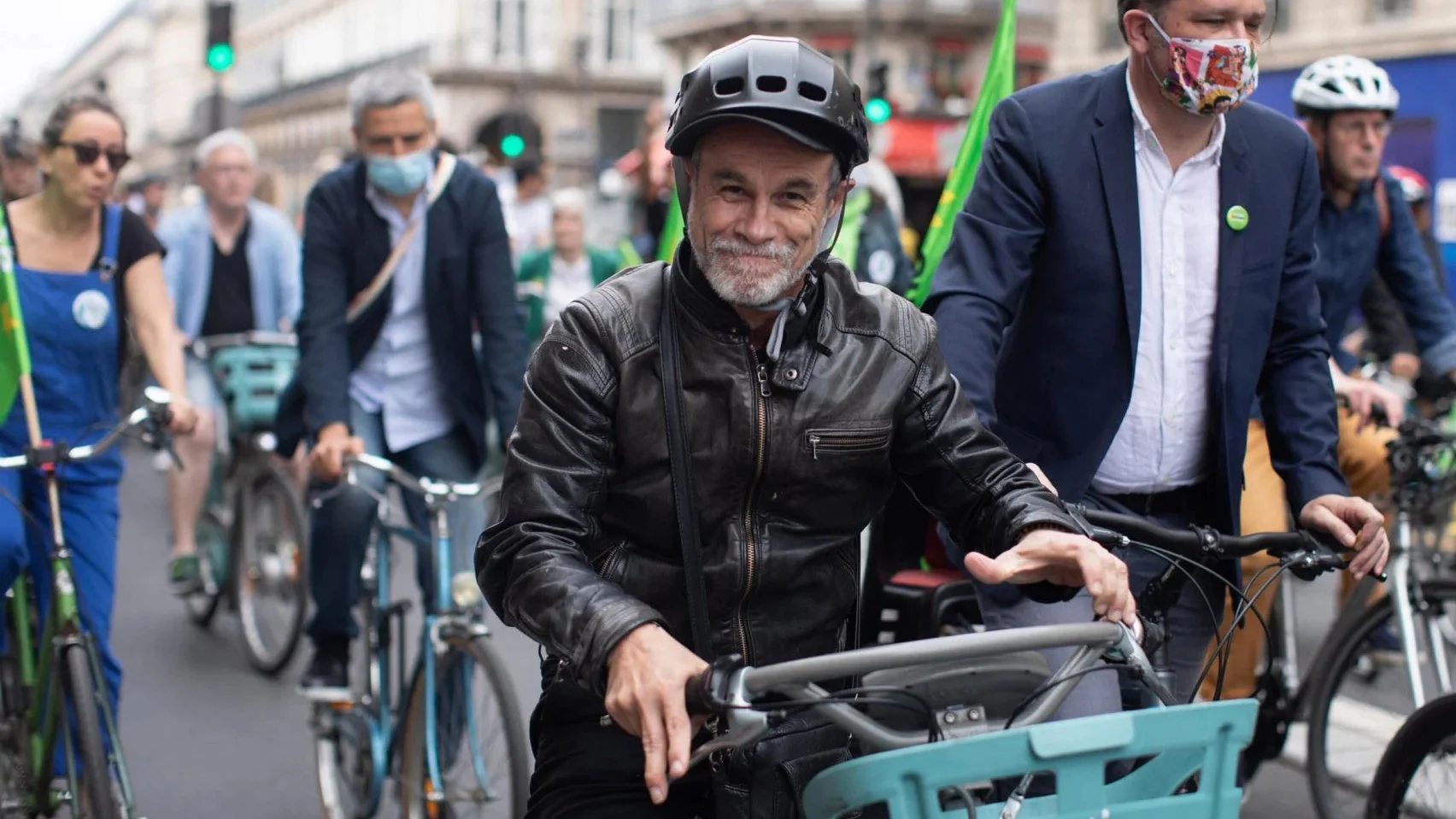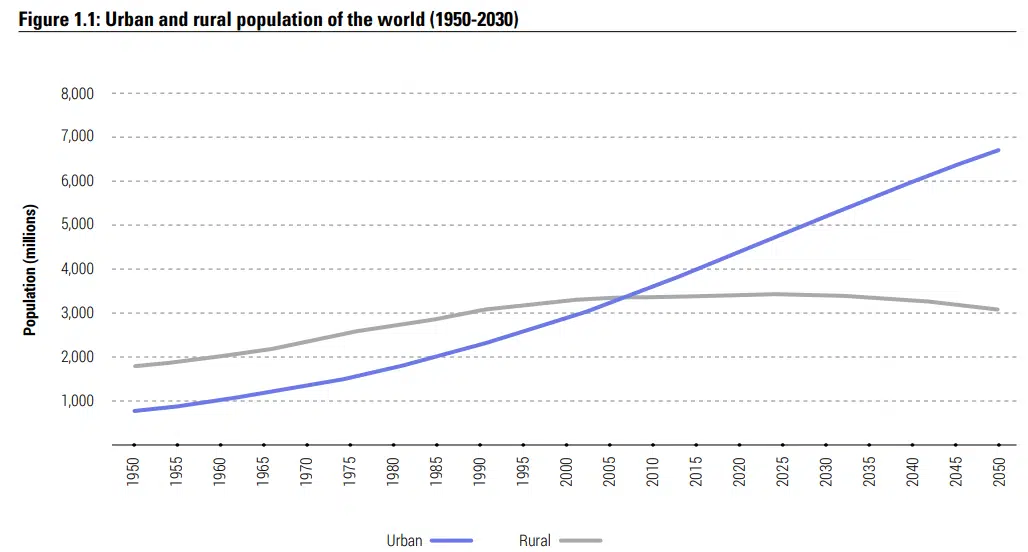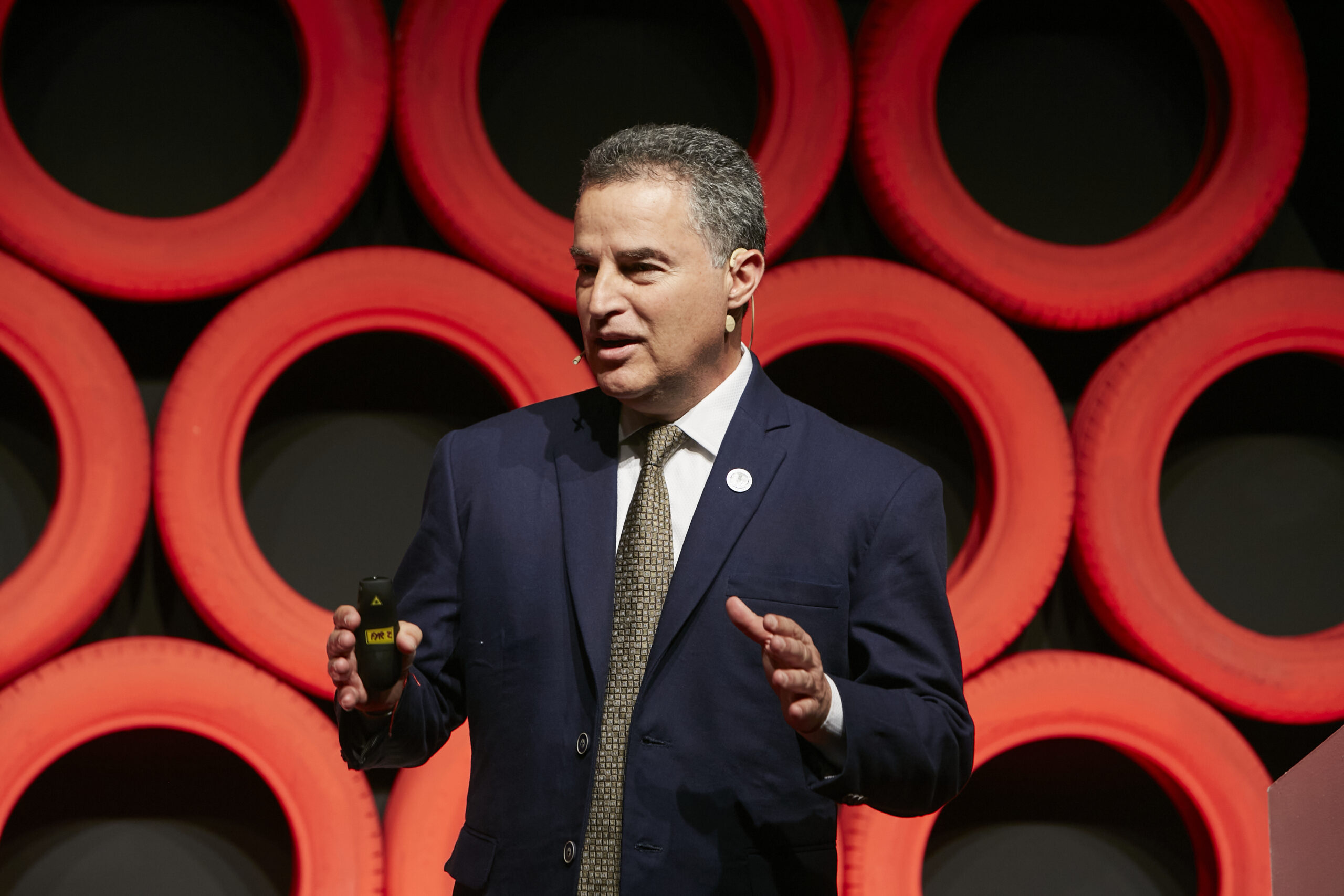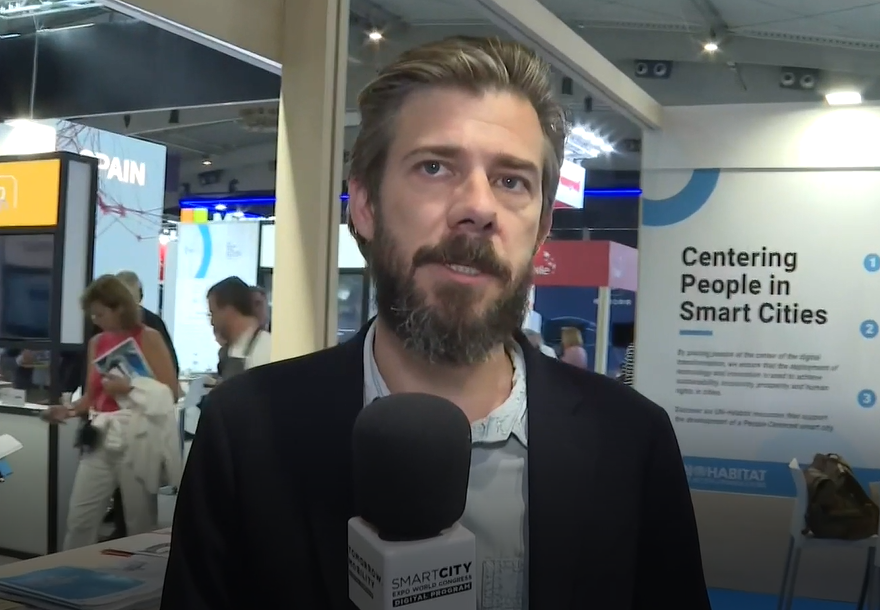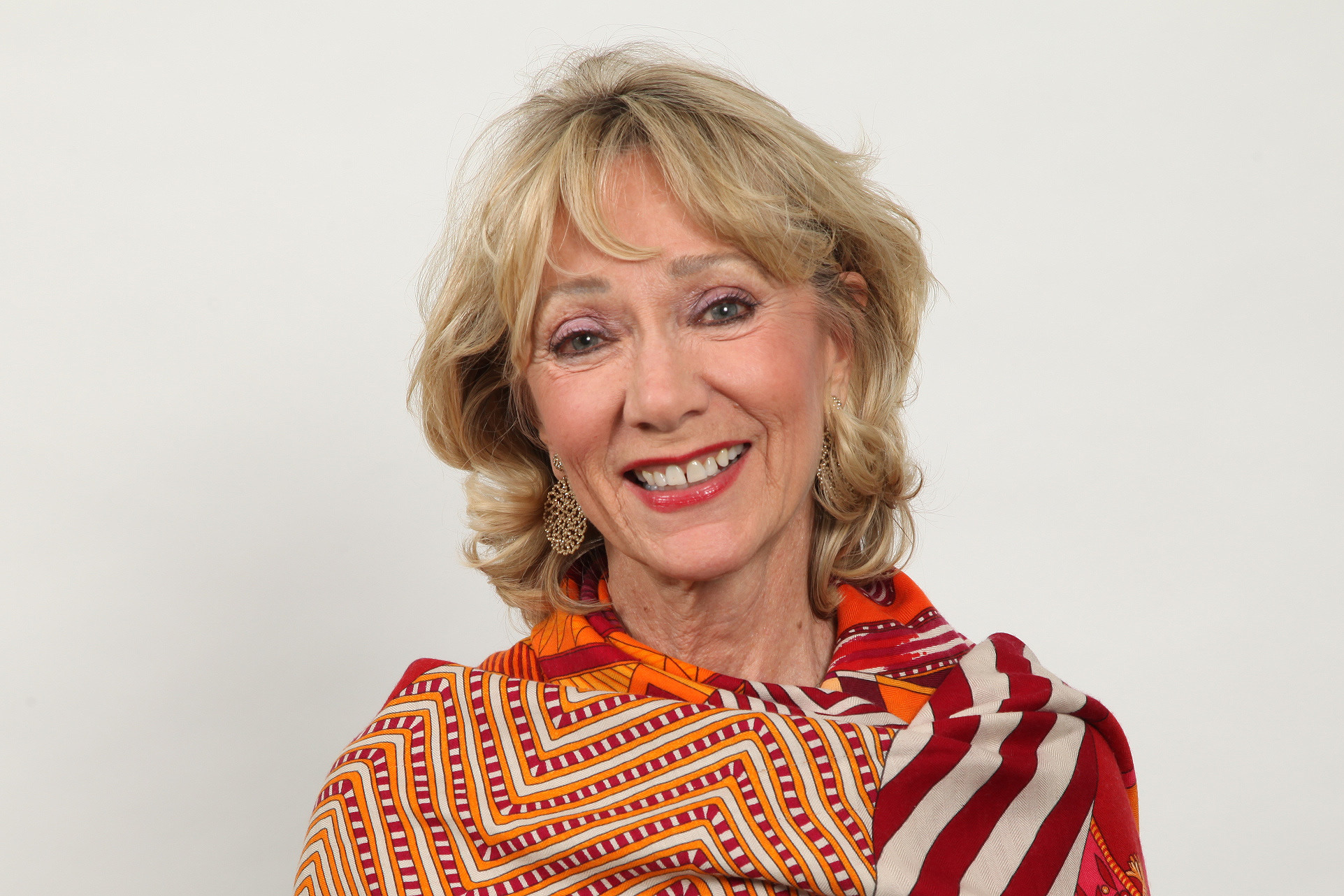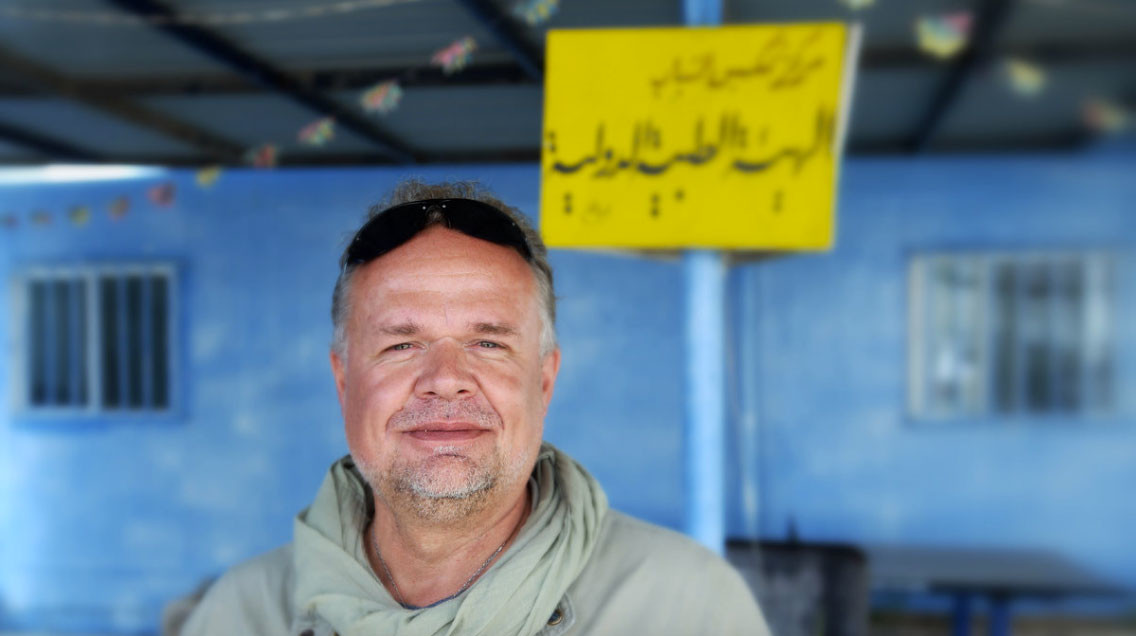




Author | Anna SolanaAn interview with Kilian Kleinschmidt, one of the world’s leading authorities on humanitarian aid, founder of Switxboard and former manager of the largest camp for Syrian refugees. He is one of the world’s leading authorities on humanitarian aid and he is convinced that technology is giving poorer people a chance to progress. Kilian Kleinschmidt, 53, worked for 25 years for the United Nations and the United Nations High Commission for Refugees (UNHCR) in various camps and operations worldwide. In 2014, he started his own aid consultancy, Switxboard, a connectivity project to “democratize access to global knowhow”. Still, he believes that “the human element has to be maintained”.What do you most look forward at the start of your day?I basically try to solve logistics… I believe there’s an answer to most problems we face. Mobility is part of our world and I try to address this issue. The reasons for displacement today are far more complex than those envisaged by the 1951 Convention.How can we best support people who have been displaced?There are 21M refugees and 40M internally displaced people around the world in need of solidarity, but this is a small portion of the people on the move globally. People move because of extreme poverty, climate change and few as they are partof the global privileged mobility community. Thus, it’s all about getting back to basic principles. We are one world and some of us have been luckier than others. Hence, global solidarity is crucial because some have largely benefitted from the resources of others.Do you think citizens are concerned with this particular issue in a scenario with growing inequalities in the developed world?It’s a reality. You cannot exclude people because they are too far away. That is the price we have to pay for a globalized world. People feel afraid, and angry and compassionate at the same time. In fact, we have never had more mobilized people than now. In that sense, it’s not a bad period. Hence, we can and must try new strategies. The sustainable development goals are not a socialist fantasy. They have to be realized for all of us to survive!In that sense, you claim that charity of the 20th century needs to be replaced with connectivity of the 21st… What do we need to turn this will into a reality?According to the 2015 ITU report on global connectivity, the proportion of the global population covered by mobile-cellular networks is now over 95%. Still, connectivity is not perfect. So we are just beginning to redistribute resources, with incredible technologies being developed. Africa is a perfect example. There are 700M of mobile phones there and this figure is growing. Nairobi has been working in a couple of projects related with phone connectivity. There are also some ongoing research and projects to deliver vaccines using drones. People want to take care of themselves and not to be dependent on aid. With these technologies they have a chance to progress. Connectivity and access to knowledge is the only chance to lower the divide between the rich and the poor. Likewise, the progress of the Internet of Things (IoT) is expected to impact almost every social and economic sector, including education and health. There are 16 billion connected machines today and 40 billion are expected to be in use in five years. The new generation of technology, including the processing and analysis of new data, can provide a lot of opportunities if we democratize it.Yet, people need to get access to technology and get the ability to use it. How can we promote this kind of initiatives when governments think about refugee camps as temporary places?There is a big need to change the way we look at camps. They are not storage facilities; they are living spaces. The average refugee spends 17-20 years in displacement, according to the UN. That’s a generation. Thus, we have to look at camps as living places and we have to stop looking at refugees as helpless victims. In doing that, we are also preventing these people from thinking they are living in a limbo period, waiting for something to happen. We are contributing to lessening tensions, and promoting the reconstruction of societies. This situation offers opportunities for change. We need to look at camps as urban spaces and invest into structures that make that places sustainable and independent from charity aid, instead of wasting money in unsustainable initiatives. The logic will have to be a city development logic linked to social and sustainable investment and service delivery.In 2014, you started your own aid consultancy to building up the bridge between those who have the knowledge, the technology, the financial resources and those who don’t have them. What are the projects you are carrying up?Switxboard is a project of ultimate global connectivity. It should become an artificial intelligence tool with a human element, able to connect the resources and the technologies, able to connect the world’s capacities with the world’s needs, like a humanitarian Tinder or something. We are already working in disruptive technologies such as Open Ware FabLabs, i.e. high-tech maker-spaces designed to enable refugees, startups and communities to co-create innovative solutions; or a concept called Refugee Open Cities (ROC21) to transform camps into inclusive cities, bunk bed-halls into makerspaces and emergency homes into self-sustaining living environments. These are just a couple of examples. We have to break up with the idea that if you’re poor, it’s all only about survival. Project Switxboard will lead to the building of the world largest corporation without headquarters and hierarchy. The organization of the future is actually composed of millions of small units getting together when and where needed.What kind of city/place would you like to live in in 20 years?In a few years, 75% of the world population will live in cities. The movement towards cities is unstoppable, but most of them are not very well managed yet. So, we have to invest in better managing urban spaces as for people their village or city is more important than their State. As for me, I would like to live outside big cities and visit them just from time to time.Can a congress like SCEWC help develop smarter and resilient cities able to cope with crisis?Walking around SCEWC and seeing smart technologies is great and mindboggling, but I would focus on management and inclusive participation. In fact, I think it is crucial not to think about smartness only in technology terms.Image | Kilian Kleinschmidt, Networker Global and Switxboard founder.

Free Bus Rides Offer Indian Women New Option for Work, and Play
Living & Inclusion