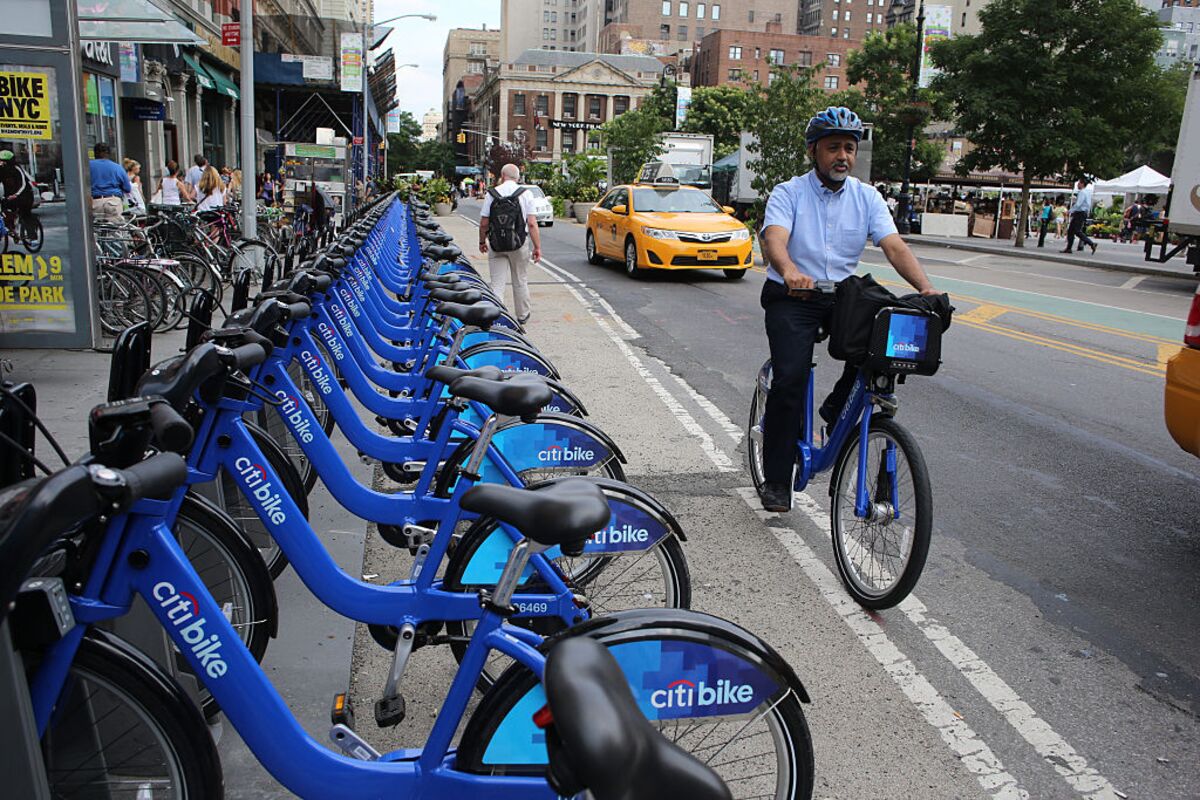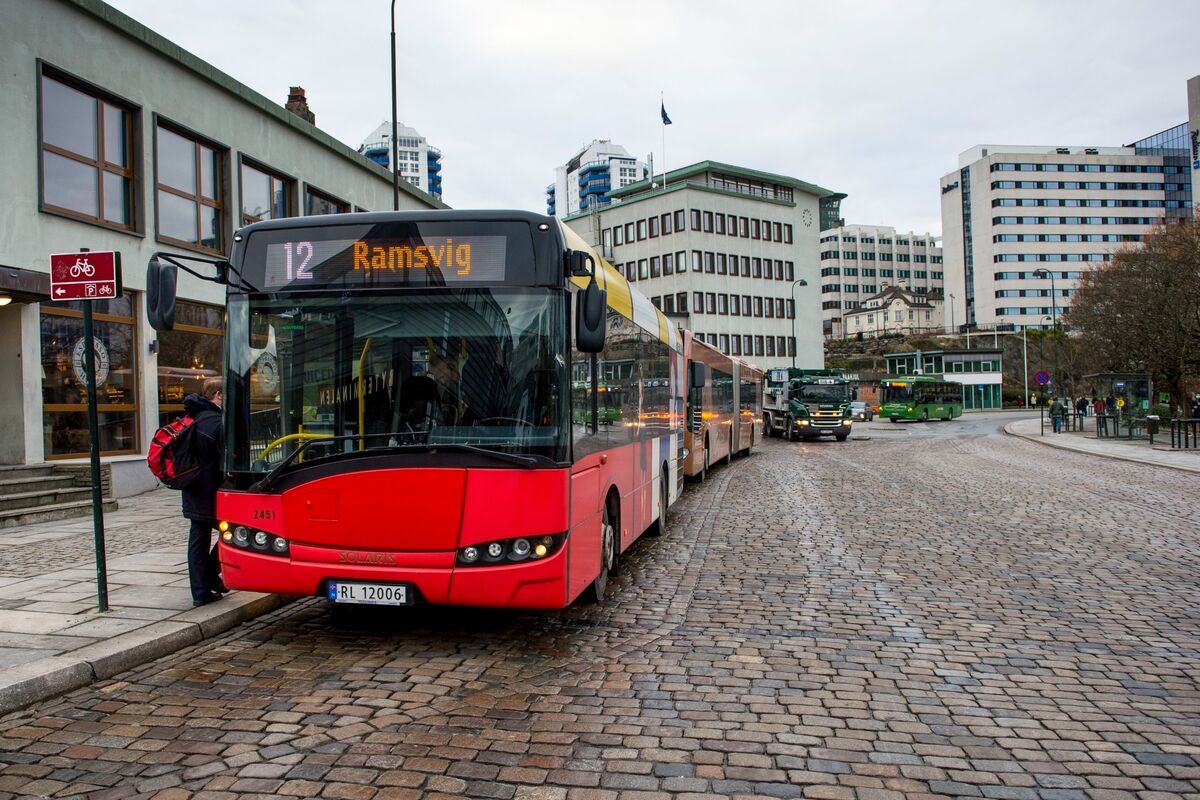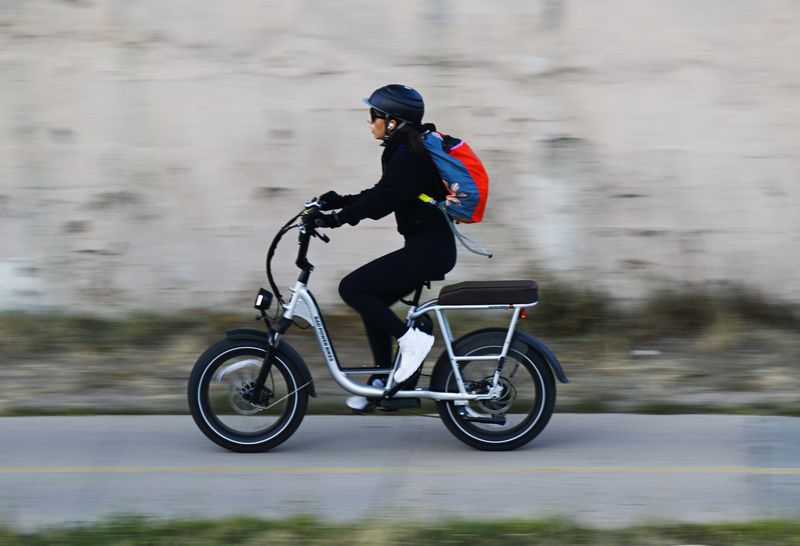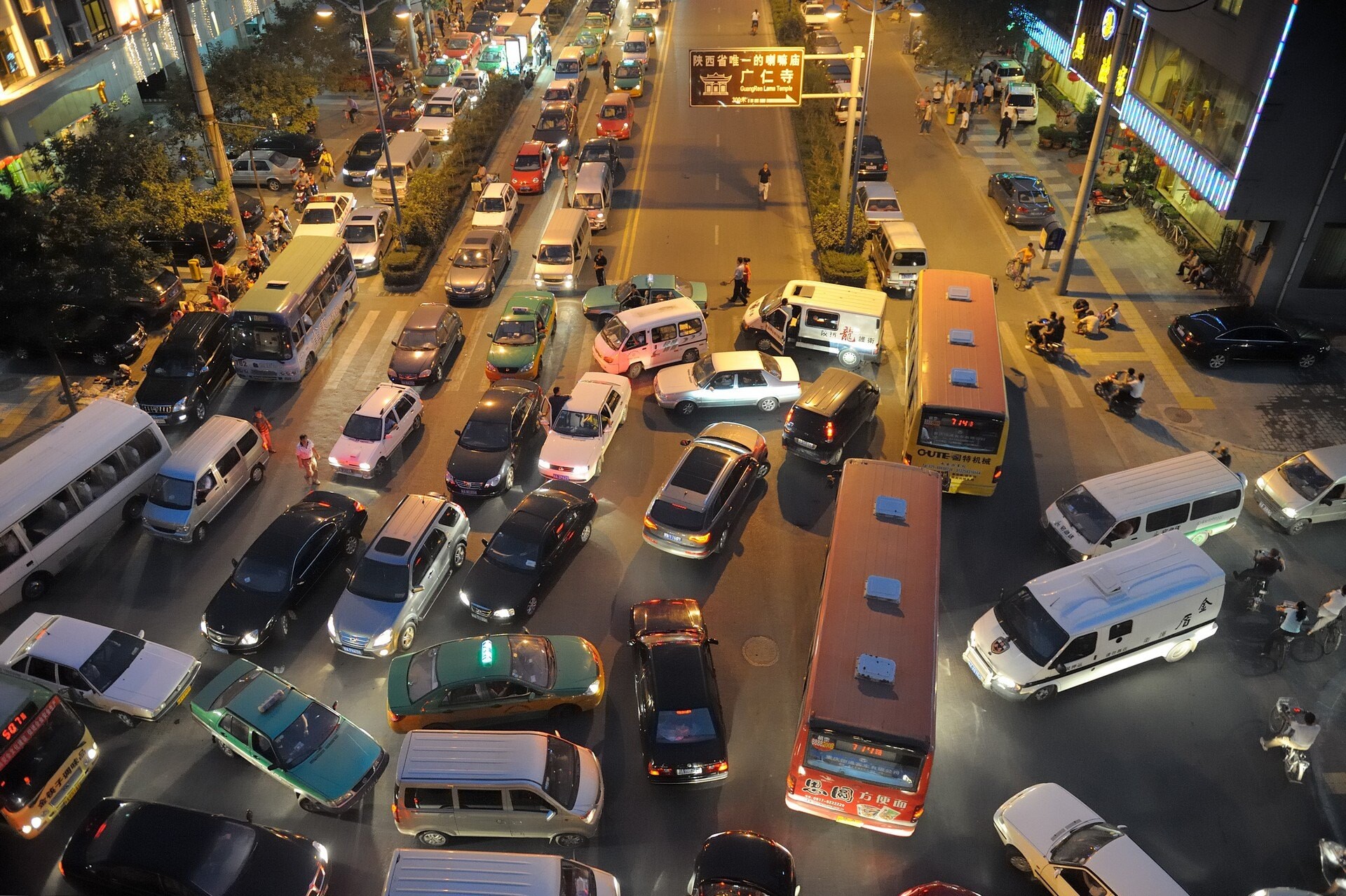




Author | Jaime RamosFamous for its terracotta warriors, its wall and for being the eastern departure point the of the Silk Road, the population of the Chinese city of Xi’an exceeds eight million. Its population density has made it one of those cities in which mobility has become a challenge.In recent years, Xi’an has been almost forced, in terms of sustainability, to adopt a series of measures: pedestrianizing streets, promoting public transport with around 7,800 buses and committing to electric bikes.
How can Big Data and AI help ease the traffic jams in Xi’an?
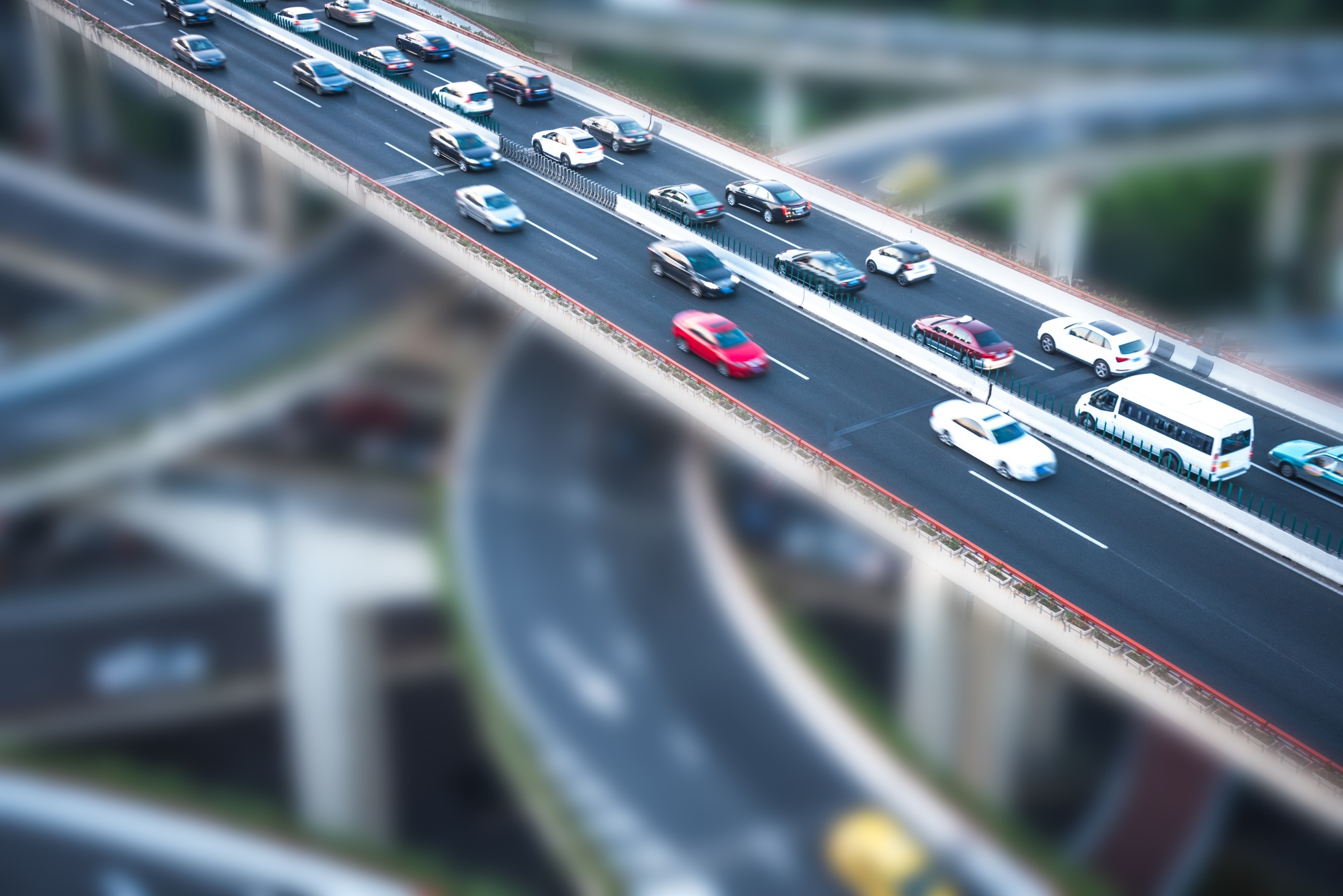
Despite all of this, traffic jams in Xi’an, far from disappearing, continue to increase and now form part of the DNA of its streets. This is mainly due to two fundamental aspects: an urban center with roads that are incapable of absorbing the traffic density and a growing fleet of vehicles. The city currently has over two million registered vehicles.Redesigning the urban layout is not a solution. The city’s ancient and rectangular wall wraps around Xi’an, preventing it from extending its avenues. Therefore, the authorities are turning to innovative alternatives based on artificial intelligence and Big Data.This is the rationale behind the project designed by the company Hikvision, a partially state-owned corporation that manufacturers and supplies video surveillance equipment for civilian and military purposes.
Collecting traffic data in real time
 The collaboration between the traffic entity in Xi’an, its urban planning experts and Hikvision has led to the deployment of an AI-based intelligent traffic management system to gain a better understanding of the flow of vehicles and anticipate certain situations, such as traffic jams.To do so, the project uses a series of instruments. On the one hand, technologies that enable data regarding the reality of traffic to be collected: intelligent cameras, sensors in the traffic infrastructure and mobile apps that collect traffic information.On the other, this large amount of data goes to the traffic control center implemented by the Xi’an police. Here, the system analyzes the map-based data and acts accordingly. For example, waiting times at traffic lights can be coordinated depending on the traffic density.
Traffic in Xi’an now flows 10% more freely
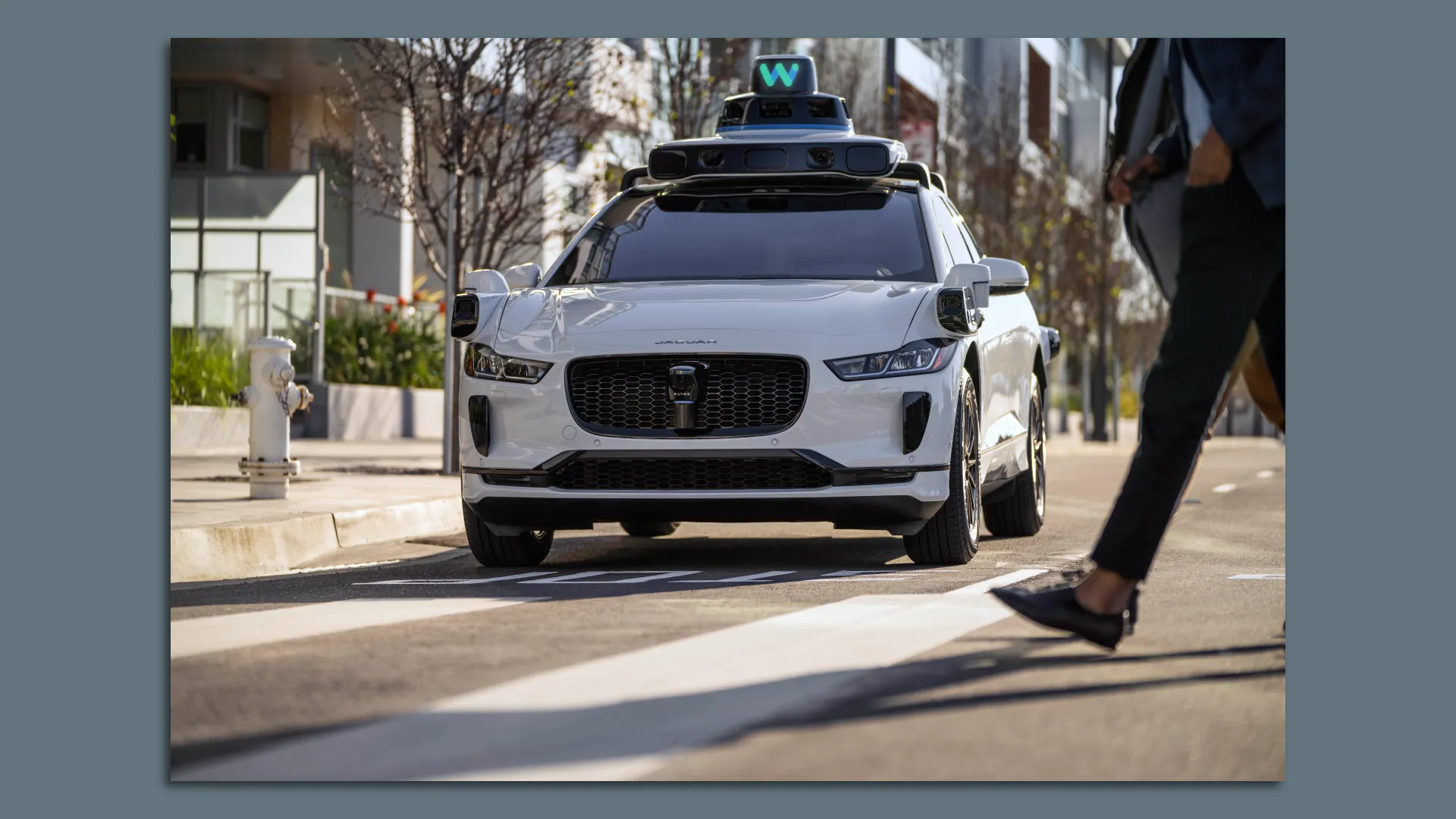
 The system learns about the traffic in the city to modify the rules of the game when required. Based on AI, it enables different algorithms to be built in order to manage congestion and facilitate traffic. The idea is to predict traffic congestions before they occur, by implementing various solutions.The model also provides a valuable tool in terms of incident prevention and road safety. In its initial experimental phase, the project has enabled traffic to flow 10% more freely, and reduced average urban journey times by 12%. The effectiveness of the incident detection rate has also increased.Nevertheless, it seems difficult for traffic jams to be totally eradicated, even when self-driving cars become a reality. Despite the different scenarios provided by AI to improve traffic, the physical limits of a city such as Xi’an, with over two million vehicles, will continue to play a significant role. Undoubtedly, urban centers will still have to accept a change in traditional transport models.Images | iStock/Steve_Bramall, iStock/jacus, Hikvision