



Author | Jaime Ramos
Airports have gradually gone on to form small communities uniting cities and the world through air travel. Within their anticipated evolution, they are expected to play an even more crucial role in the development of smart cities.
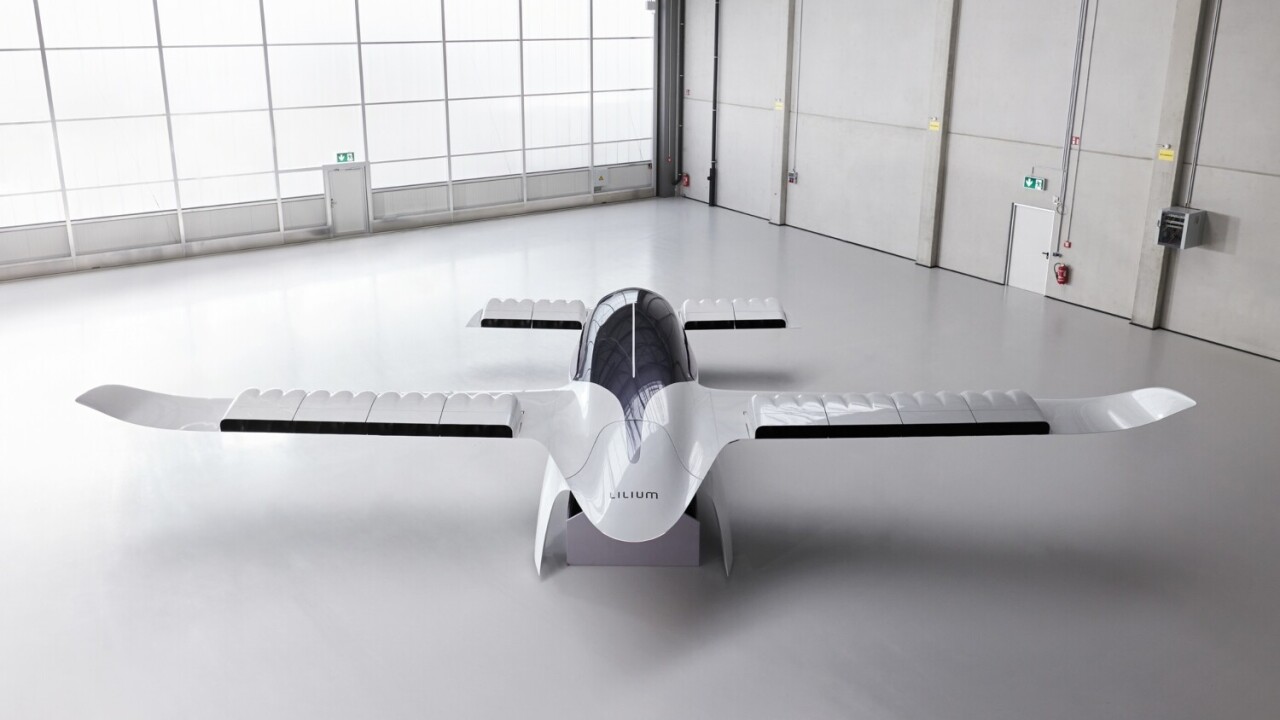
The aviation industry, in general, is currently experiencing a technological dynamism, with drones and eVTOL, launching a solid stance on Urban Air Mobility and which is hoped to give a boost to new types of infrastructures.
Smart airports and their internal mechanisms
Airports, in turn, are seeking to maintain their old relationships with cities and advance towards the concept of smart airports. To achieve this, many are focusing their efforts beyond their original operations or, even, sustainability. This is why the concept of airports as small cities with their own economic and community flows, is becoming more common.
This affects passengers in the form of new infrastructures and technologies that enable them to work, meet up, sleep, eat or enjoy leisure activities within the airport’s "reduced" perimeter of influence. This concept currently constitutes a very promising business area with a projected annual growth rate of 10.5%.
Airports actually fulfill countless urban functions including transit, parking, health services, logistics and supply chain, as well as operational, commercial and security functions. All of them are affected by countless technological advancements, particularly in terms of IoT, or the use of robots.
This is how it is affecting travelers
From a traveler’s perspective, some of these innovations are more visible and particularly affect the transit experience. However, the most significant change that is being introduced is related to facial recognition systems. It is hoped that they will reduce waiting times for passing security checks.
In the United States, there are 25 airports using this technology. However, aviation authorities have introduced them with a degree of flexibility, given the increasing security and privacy dilemma. This is why, at the moment, the system will be optional for passengers. It is a global debate that is also present in China, the country that remains ahead of the world in the implementation of this technology.
Apart from security, technology is also serving other purposes, such as commercial uses. In London Gatwick airport, for example, they have introduced an electronic wallet based on blockchain technology to access discounts and promotions.
Implications of new airports in cities

In a wider urban context, the implications of the technological revolution in smart airports for cities are complex. There are regions of the world in which some of these trends are being applied, which place airports at the center of urban activities. It is what is known as an aerotropolis.
This concept, from a practical perspective, is being implemented in certain areas of India. In these cities, airports are becoming a powerful resource for channeling economic growth and demographic explosion. Over the next two decades, the number of airports is expected to increase from 133 to 500. The plan is related to the projection of satellite towns around mega-cities that have their own airports.
What is clear is that the specific importance of airports in terms of economic, social and sustainability aspects within the urban geography, is set to increase. Many cities will find themselves with the challenge of rethinking the role of their infrastructures, as illustrated in this study, which explores the situation with London airports as places in which to boost ecological and social justice.
Images | Freepik/lifestylememory, Freepik/freepik