



Author | M. Martínez Euklidiadas
Cities around the world are deploying data platforms with the aim of designing an urban intelligence based on information extracted from these data which, once analyzed, can generate knowledge about different metropolitan areas. This is the case with Smart AMB, in the Metropolitan Area of Barcelona (AMB for its Spanish acronym), which seeks to consolidate the information on a platform from which to launch services.
What is the Smart AMB Platform?
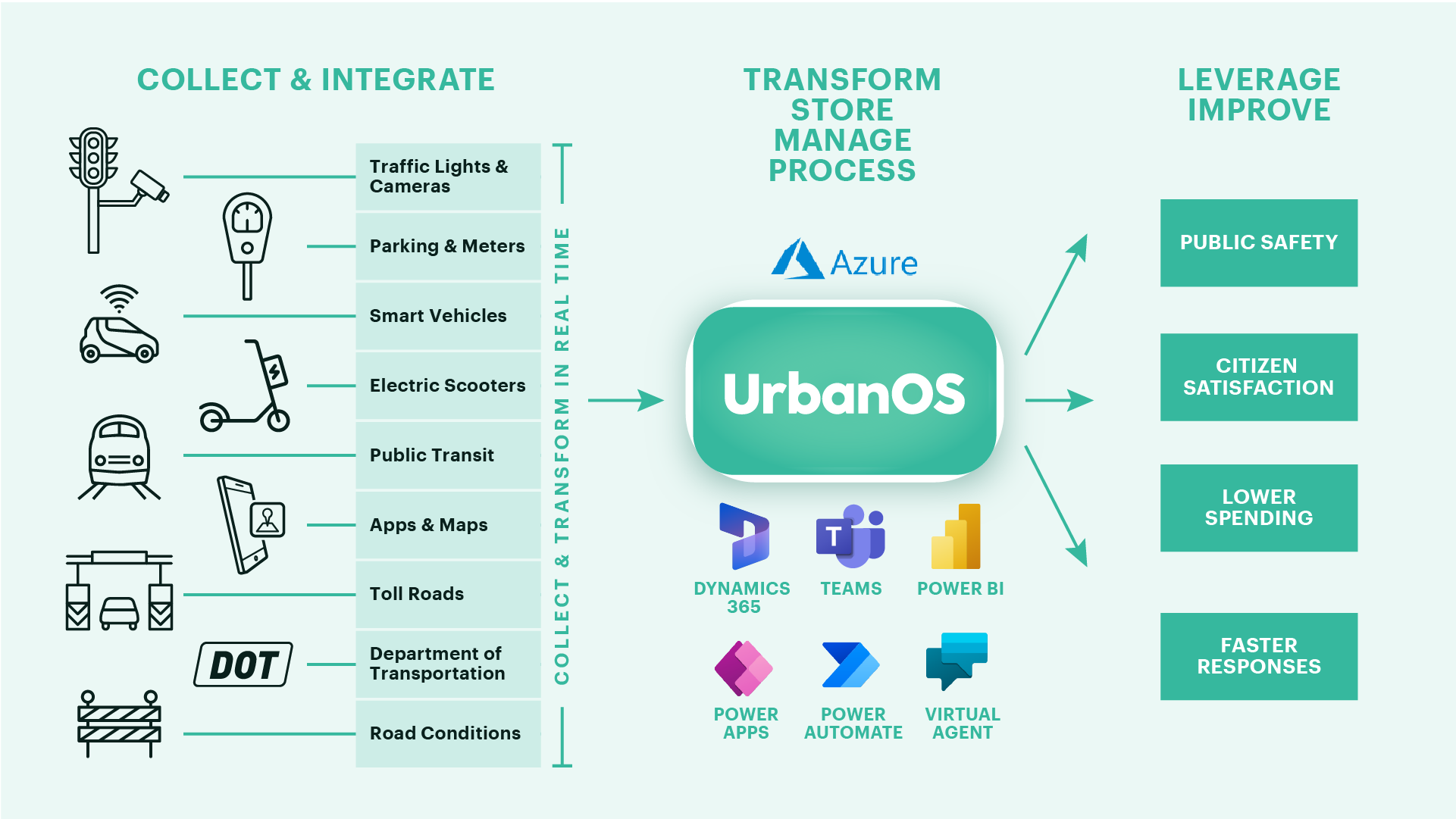
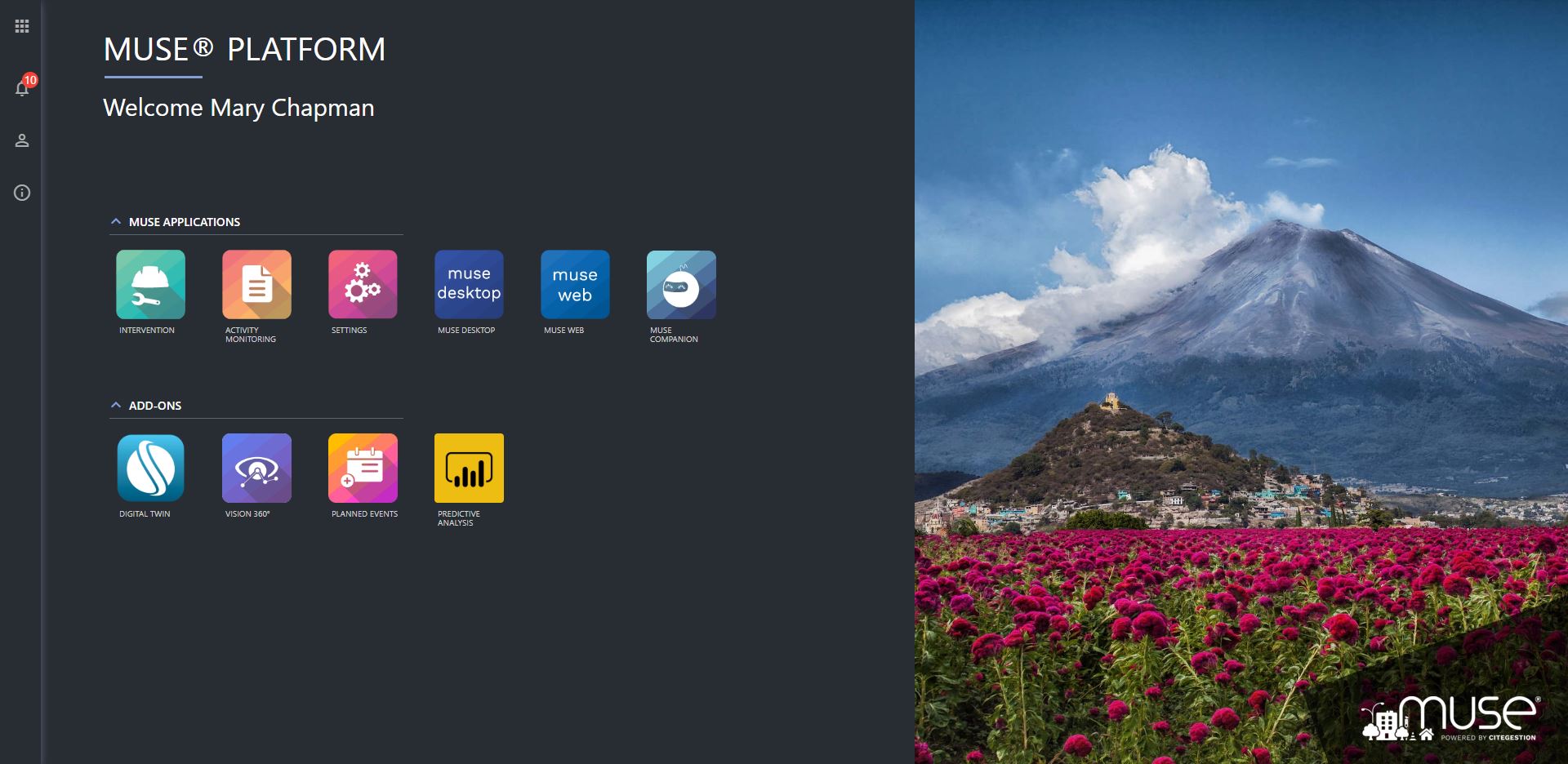
The Smart AMB Platform is the response to urban requirements: how can the data generated by a municipality be used in a way that allows them to help improve the services provided for citizens? The solution to this challenge is a platform that incorporates inputs from as many verticals as possible from a technical perspective.
In the case of the Metropolitan Area of Barcelona, its platform brings together services such as the management of all types of public infrastructures, including public transport and mobility or waste management, together with geolocation data for metropolitan infrastructures.
It is an integrated control, management and information platform that began in the AMB and which is available for the 36 municipalities around Barcelona. This smart region is transforming its territory in order to provide smart solutions designed to meet the requirements of their inhabitants.
That is how a smart city is managed

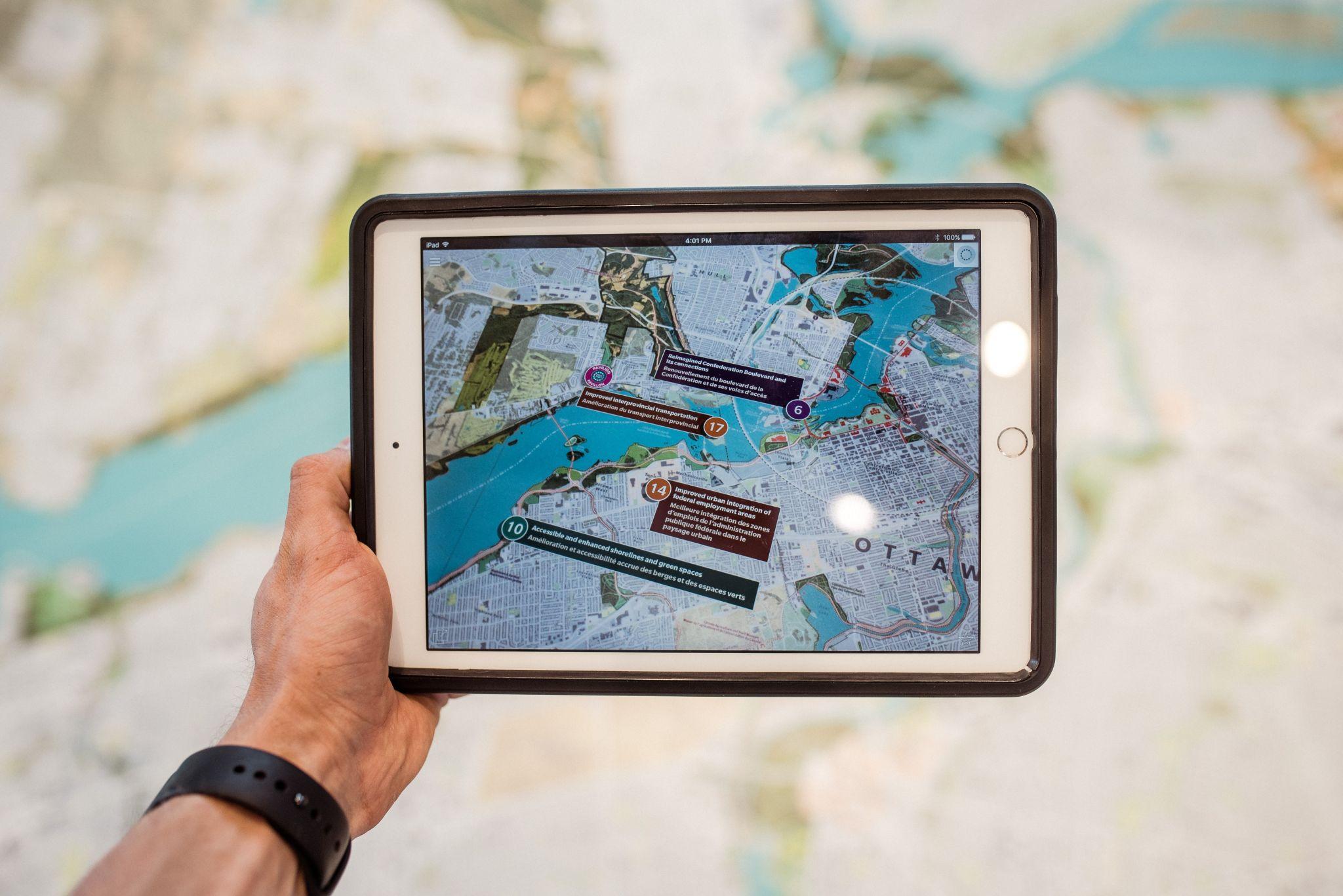
Some time back, when smart cities were just getting started, one of the first interventions was to digitalize physical parts of their infrastructure. Converting cities into a data model that could be managed from a platform. And what better model than a map on which to view incidents?
When a Hospitalet or San Cugat manager detects an incident in their city, either communicated by citizens or identified during periodic quality inspections, the city’s management service can issue the IT notice by recording the incident on the platform. Adding what is known as an array of data, that provides the city with knowledge.
Apart from the speed at which incidents can be addressed with digital tools, allowing the respective managers of each service to receive specific notifications to resolve said incidents, a geolocation log of infrastructures and services that have experienced the most incidents can be obtained. This is essential in order to manage cities more efficiently and propose urban improvements that raise the level of the services provided.
What services does this platform integrate?

According to AMB sources, the metropolitan administration want to address specific urban challenges including:
- The coordinated management of a territory’s supra-municipal public services in an efficient and effective manner.
- The development of management systems for public services, so these can benefit from the economy of scale from their data.
- The promotion of instrumental and strategic innovation at a metropolitan level.
- The use of ICT to redesign and improve existing management models.
- The use of data as a form of progress, in a way that allows useful knowledge to be extracted.
- Improve the efficiency and efficacy in the management of public services delegated by town councils in the supra-municipal body.
- Increase the ability to react in the event of unforeseen events and threats.
All of these lines follow those of the UN Sustainable Development Goals, which the Metropolitan Area of Barcelona addresses with projects that help to promote factors such as good use of energy resources, greater respect for the ecology of the area, sustainable mobility, greater citizen engagement and, of course, improved quality of urban life of the residents of the AMB.
Images | AMB