



Author | Jaime Ramos
Growth and development are concepts that go hand-in-hand with smart cities. However, the main path that urban planning must take is not always clear. What do we understand by smart growth?
What is smart growth?
The concept of smart growth includes a combination of strategies within the framework of urban development aimed at implementing health, protecting the environment, promoting economic sustainability and making communities attractive.
The premise is not new. However, it did gain momentum during the nineties in the United States. That is when the set of ten basic principles was established by the Environmental Protection Agency (EPA).
The 10 principles of smart growth
1. Mixed land use
The benefits of mixing land uses have been more than proven. They are based on the urban and social analysis of land use and buildings, to provide them with a multi-functional purpose.
2. Take advantage of compact architectural design

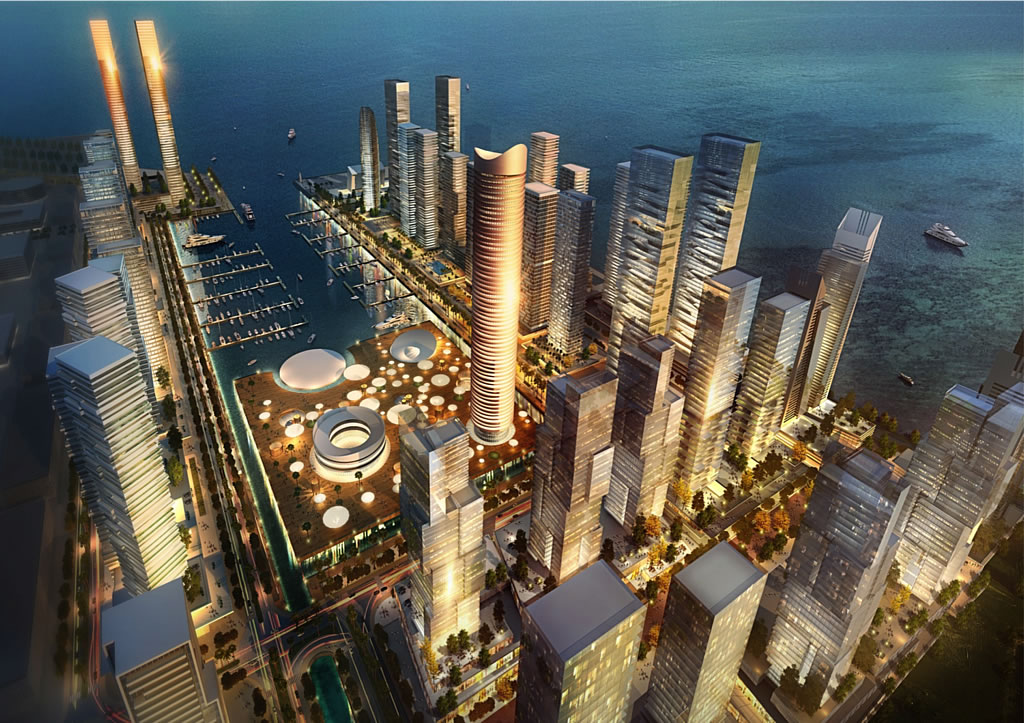
Based on the actual concept of mixed use, designing compact buildings covers different requirements under a single structure, based on vertical expansion and green spaces. Prior planning enables more open spaces to be maintained.
3. Create a range of housing opportunities and choices
This involves designing urban models that offer uniform options for all social classes. It includes alleviating the effects of real estate bubbles, facilitating access to rental properties and designing specific housing programs for young buyers and families.
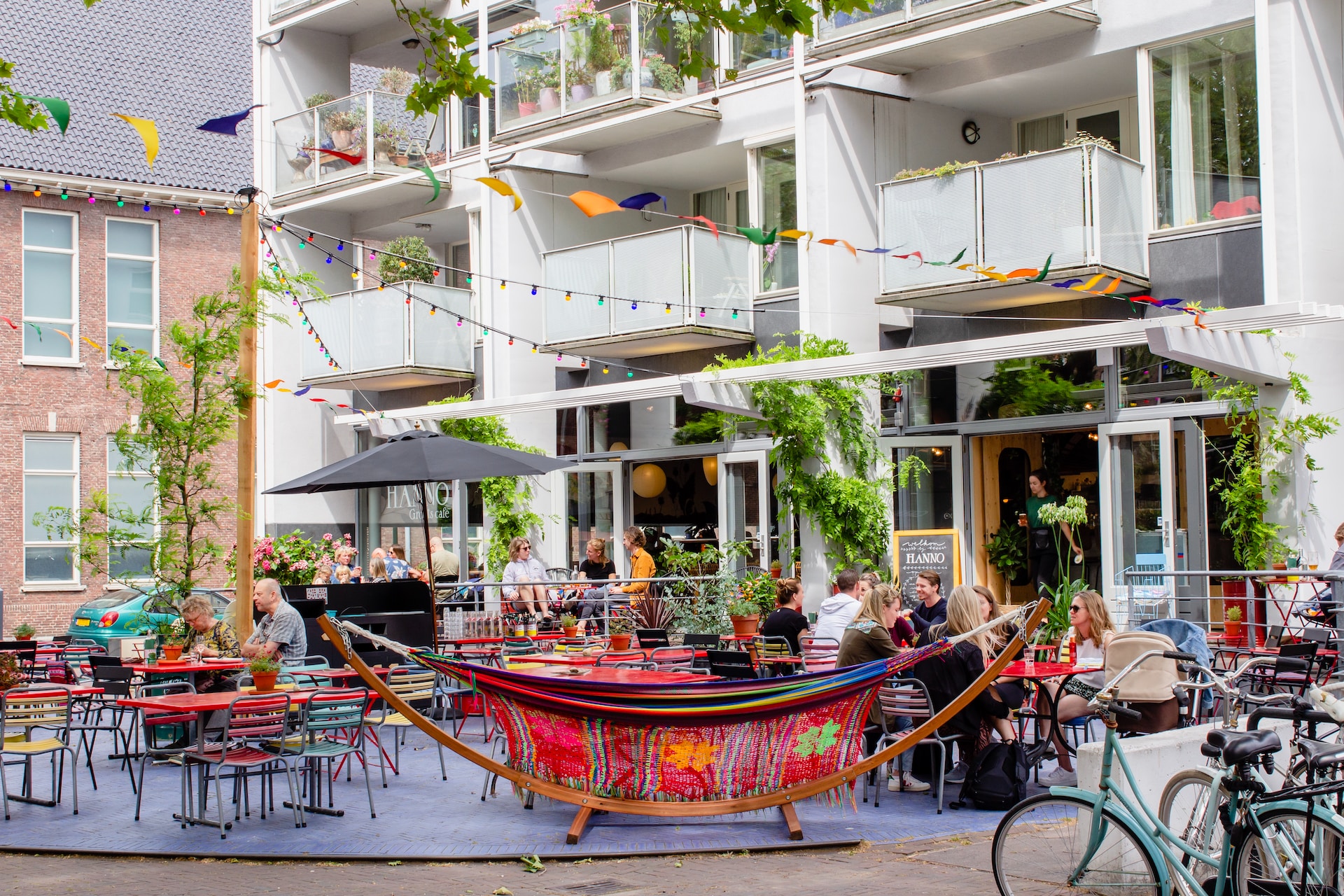
4. Create walkable neighborhoods
Walkable neighborhoods provide countless benefits: greater road safety, reduced transport emissions, healthier environments and economic revitalization.
5. Foster distinctive, attractive communities with a strong sense of place
Following the essence of urban planning, is the added value of making the urban planning functionality attractive. Green spaces, commercial areas, cultural centers or the restoration of historical buildings can promote the local economy, revitalize urban activities and strengthen the sense of belonging to a community, all under a single project.
6. Preserve open space, farmland, natural beauty and critical environmental areas
Open natural spaces have an incalculable value and form part of a city’s heritage and that of its residents. They must be at the center of any strategy. The plan includes analyzing natural ecosystems and not promoting projects that threaten biodiversity.
7. Direct development towards existing communities
In relation to the foregoing, it is more desirable, given the benefits, to make use of existing infrastructures, if they prove to be functional, restoring them from a smart development perspective, than to change urban land uses from scratch.
8. Provide a variety of transportation options
One of the main challenges of any city consists in deploying an effective and direct communication network that reduces times and embraces sustainability. In this regard shared vehicle platforms are extremely relevant, promoting the efficiency of public transportation or providing infrastructures that support the use of eco-friendly transportation methods such as bikes or electric vehicles.
9. Make development decisions predictable, fair, and cost effective

The role of governments is to facilitate processes, ensure the transparency of the same and protect the local and natural heritage. To do so, it is essential to integrate the values of smart growth to alleviate the negative effects of bureaucracy in terms of regulations, permits or the cost of licenses.
10. Encourage community and stakeholder collaboration
One of the best indicators that smart growth is being implemented. The aim is not only to open communication channels between inhabitants, governments and developers, but also to ensure that there is the necessary encouragement for all stakeholders to contribute and be heard.
What environmental benefits does smart growth provide?
A good example of the benefits of smart planning and growth is Japan’s Fujisawa Sustainable Smart Town project. The technological initiative combines the private and public sector to reduce the environmental impact by making use of innovative technology. The aim is to reduce CO2 emissions by 70% compared with 1990 levels.
For new hubs and for age-old cities, the principles of smart growth are fundamental for achieving today’s minimum sustainability challenges goals.
Images | Flickr/Michael Hicks, Wikimedia/Loozrboy and Wikemedia/Giuseppe Milo