



Author | Jaime Ramos
We will still have to wait for the great dream of driverless cars. Although manufacturers continue to present new models of driverless cars each year, self-driving cars still have a long way to go. What are the main obstacles and challenges?
Are there any self-driving cars on the road yet?
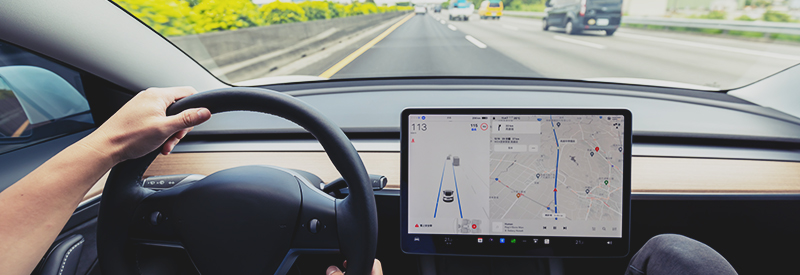
Yes, there are. However, they are still in the experimental phase sine die. Programs to promote self-driving cars have increased exponentially in recent years. These can be seen in dozens of countries.
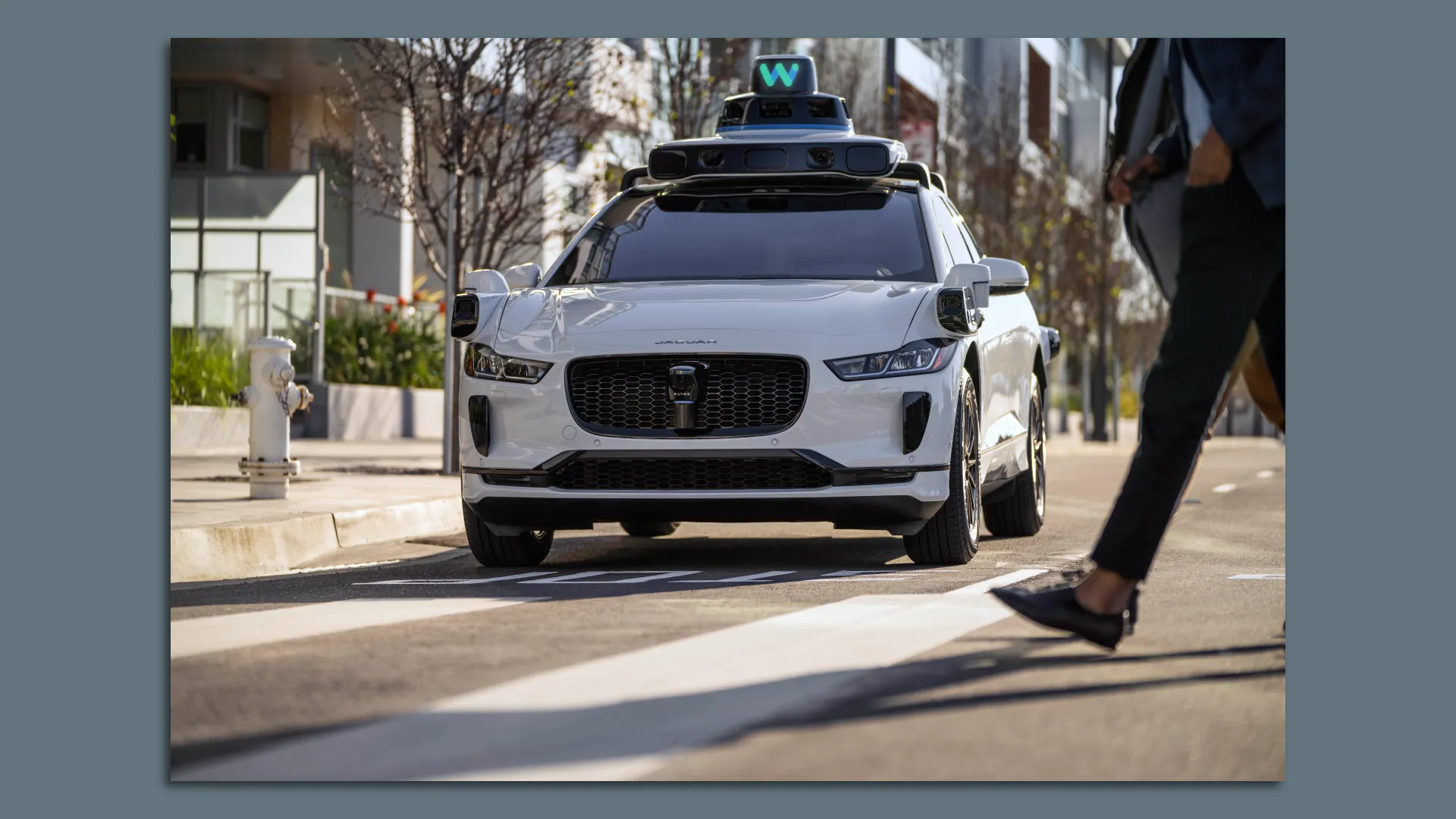
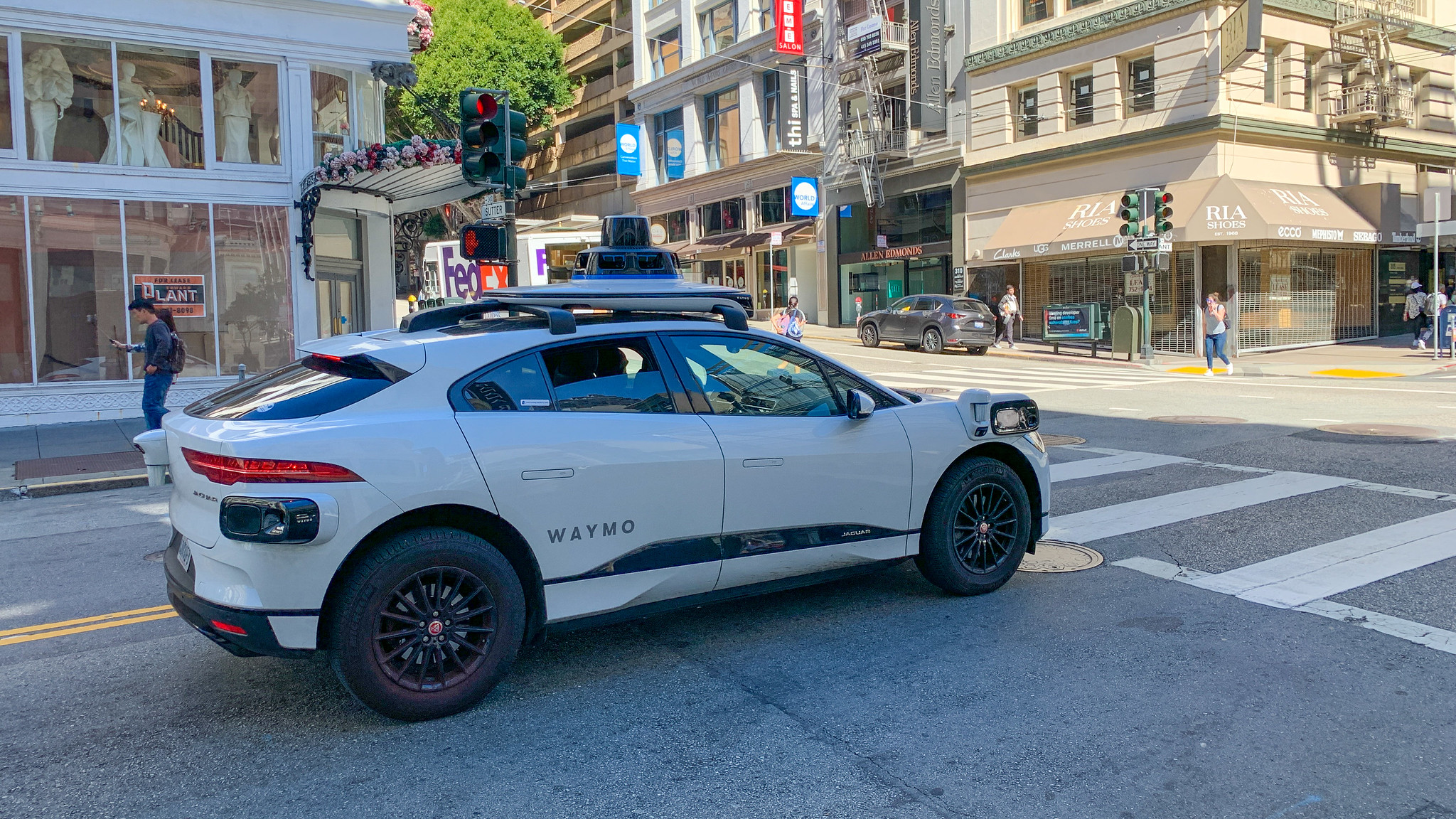
The Waymo self-driving car, for example, has covered countless kilometers with the Google logo on its white bodywork. The models have covered over 20 billion kilometers to date, improving the intelligence required to fulfil the ambitious promise of eliminating road fatalities.
This is a long-distance race that manufacturers such as Volvo believe to be leading, but with deadlines that will be difficult to meet.
So, when will they be available?

The vast number of kilometers and tests conducted by self-driving vehicles does not mean they will be available on the market imminently. It is difficult to establish a specific date. What does seem clear is that, little by little, they will become more popular on roads and in delimited territories. This is the case of the Baidu and BAIC partnership, which plans to have 1,000 driverless cabs on the road in China in the next three years.
In order to be considered fully autonomous, self-driving cars must complete the six levels required to qualify as such. A process which, as we will see, is full of obstacles.
Why aren’t cities ready for self-driving cars?
The challenges that fully automated cars need to overcome are not just related to the level of maturity of their technology, they also need to tackle legal and, even, social challenges.
Mapping of the road network
Popular robot vacuum cleaners use intensive mapping technology in the area they are cleaning to identify where they are located. This simple comparison becomes extremely complex for self-driving cars.
It requires developments in, at least, three areas: refining sensors, automated machine learning and strengthening safety guarantees on open roads.
Self-driving cars have to learn

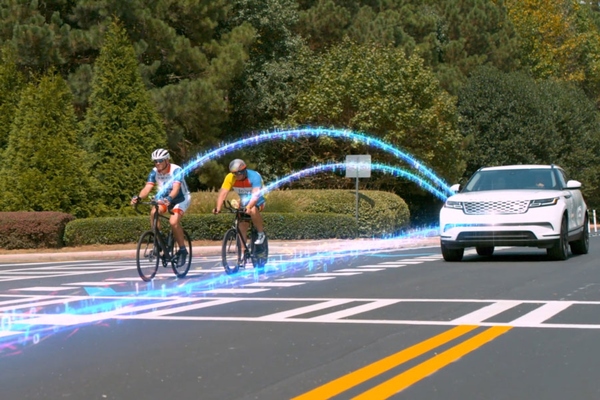
Self-driving cars not only need to learn the best routes. The cars also have to adapt to human behavior on the road, anticipate a whole host of responses in pursuit of safety and they also need to know how to communicate with humans.
These are three difficult tasks. Edwin Olson from the University of Michigan and a subject-matter expert, believes that there is still a long way to go before self-driving cars reach a sufficient degree of reliability:
"Humans are not perfect, but if we analyze the situation, we are good drivers, with one death every 161 million kilometers travelled"
A clear and flexible regulatory framework
Legislation tends to lag behind technology. In terms of self-driving cars, it is light years away. Jurists cannot agree with technicians on what the framework should include.
An example contradicting this can be found in Florida, United States. The state passed a bill in 2019 legalizing the use of self-driving cars. The most recent regulatory publication in this area came as a great innovation last summer.
But above these three areas is the social acceptance aspect. While we accept that errare humanum est, machines are not granted this same privilege. That is why, it will still be a while before self-driving cars gain the trust that is shattered each time there is an accident involving both parties.
Images | iStock/Irik Bikmukhametov, NHTS, iStock/Sundry Photography