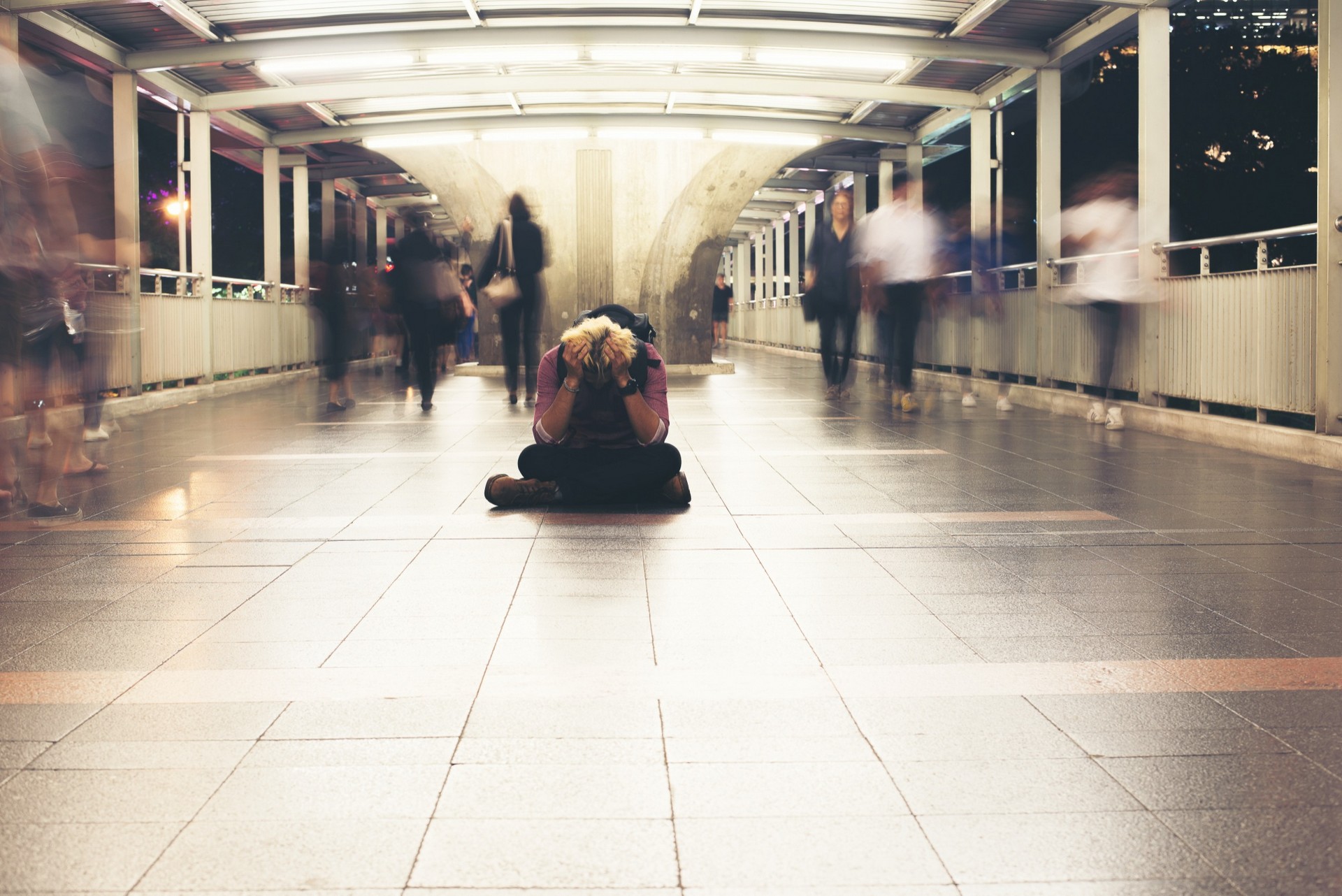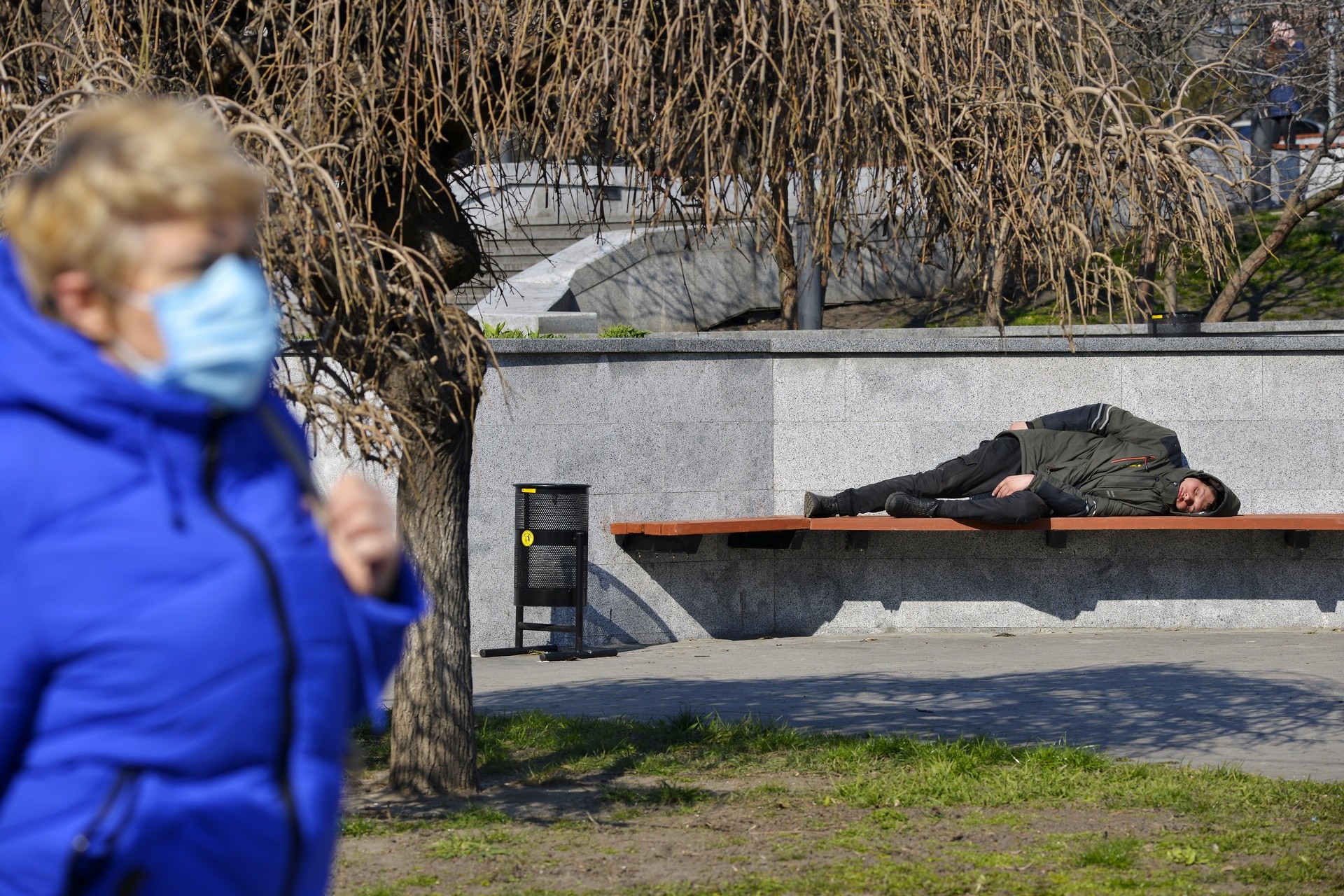




Author | Jaime RamosThe critical situation we all find ourselves in as a result of the coronavirus particularly affects society’s most disadvantaged groups. During a health crisis of this magnitude, poverty is a variable that exposes those suffering it to the negative effects of the COVID-19 disease, leading to a greater risk of infection and death.According to national reports, it is estimated that 150 million people worldwide, 2% of the world population, may be homeless. The emergence of coronavirus has increased their vulnerability, requiring new measures to protect this population.Furthermore, their circumstances are incompatible with the restrictions and limitations of rights such as home confinement, being imposed by many countries to combat the expansion of the pandemic. Therefore, a protective, immediate and effective response by the authorities is required.
Hotels for the homeless in London, but not in Las Vegas
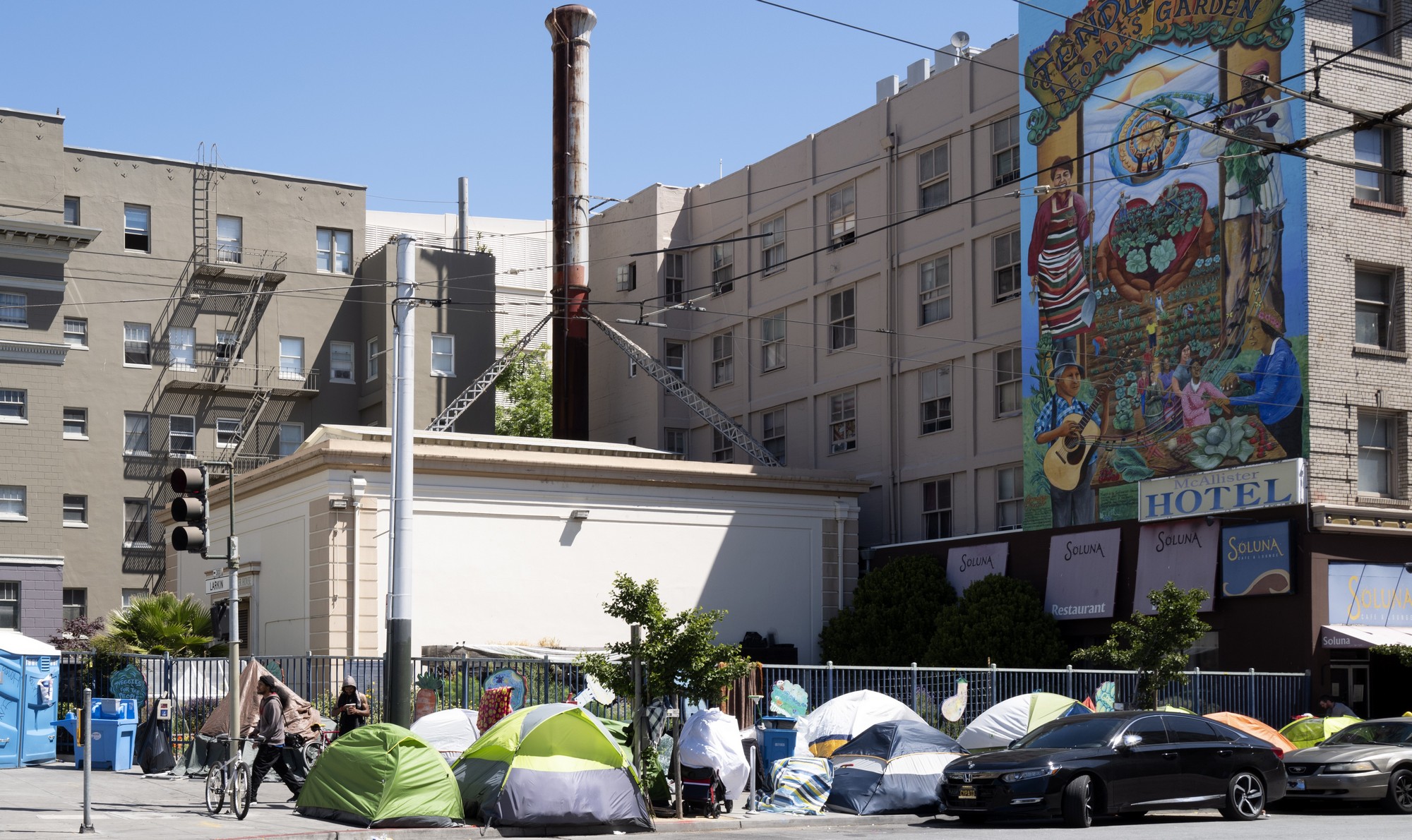
 In London, the city most affected by the virus in the United Kingdom (exceeding 470 deaths in March), the City Hall, in collaboration with the government, has provided 300 rooms in hotels in the capital for the next 12 weeks.This concern extends to a great deal of other areas in the world. One of the most shocking images involving homeless people was taken in Las Vegas, in the United States, showing hundreds of homeless people sleeping in open-air parking lots. The situation came about when a 500-bed shelter had to close after a client tested positive. Some people, such as Julián Castro, Mayor of San Antonio, have criticized the fact that Las Vegas has the capacity to house 150,000 people while they are trying to “hide” this group of people.
The European union working on a humanitarian response
The European Union is currently bearing the brunt of the COVID-19 pandemic with a discordant response. The efforts of many countries range, as we have seen, between protecting, rather than separating, more marginalized populations. According to the EU Commissioner for social rights and jobs, Nicolas Schmit, “Living on the street has a huge impact on mental as well as physical health. The homeless are therefore particularly at risk. They often already have pathologies and therefore are considered to be more vulnerable. The coronavirus will also affect those who accompany the homeless. It is important that the workers are protected too”.Along that same line, Barcelona’s trade fair institution, the Fira de Barcelona, has provided a space with the capacity to accommodate 225 vulnerable people from Barcelona and the surrounding areas, and which can be extended to accommodate up to 1,000 people. It is not the only space set up in the EU for this purpose. In other countries overwhelmed by the pandemic, organizations such as Médecins Sans Frontières are providing their experience in disaster management. For example, in Brussels, the capital of the Union, this NGO has installed a shelter with 50 beds that can be extended to 150, while in Paris, its volunteers are providing assistance in municipal shelters.
What about the poorest countries?
 However, the global threat of the Coronavirus is not only affecting developed countries in Asia and the West. As the coronavirus spreads across the globe, it could cause a major health problem and lead to a very large increase in poverty taking it to tragic levels, particularly in third world countries.This will be accentuated because, unfortunately, the world is not combating the pandemic with a global perspective. If we look, for example, at Saint Louis, in Senegal, over 9,000 ‘talibé’ street children roam the streets every day just to survive. The new Senegalese restrictions to alleviate the COVID-19 pandemic could endanger them very soon, since their extremely precarious lifestyle forces them to breach restrictions. Their survival literally depends on going outside.This situation could be repeated in the irregular settlements of Latin America or Asia, marked by their vast density and minimal administrative presence. Authorities in these areas, which are not equipped with the necessary resources, tend to isolate these populations.This is the case in cities such as Caracas, where law enforcement agencies have prevented access to the districts of Catia and Petare. An almost impossible endeavor. In this regard, the world continues to look towards Brazil with a sense of trepidation and the 13 million people living in the country’s favelas. The local authorities seem to have given up on controlling a place in which basic utilities are a luxury. They expect the first wave of infections to reach the districts of Río de Janeiro throughout April and the peak in deaths to be reached in July.The district of Dharavi, in Mumbai, is the most densely populated city in Asia. Its population exceeds one million, with 280,000 people per square kilometer, 30 times that of New York. They are now seeing the first cases of COVID-19. To prevent the chaos, the government has sent 4,000 healthcare workers. However, it will be very difficult for them to contain the disease.These overpopulated areas are a ticking time bomb that can have lasting effects, particularly for the most disadvantaged groups. Hence the need to design a global strategy based on collaboration between countries.Images | iStock/photos, iStock/abhisheklegit, iStock/Suvra Kanti Das