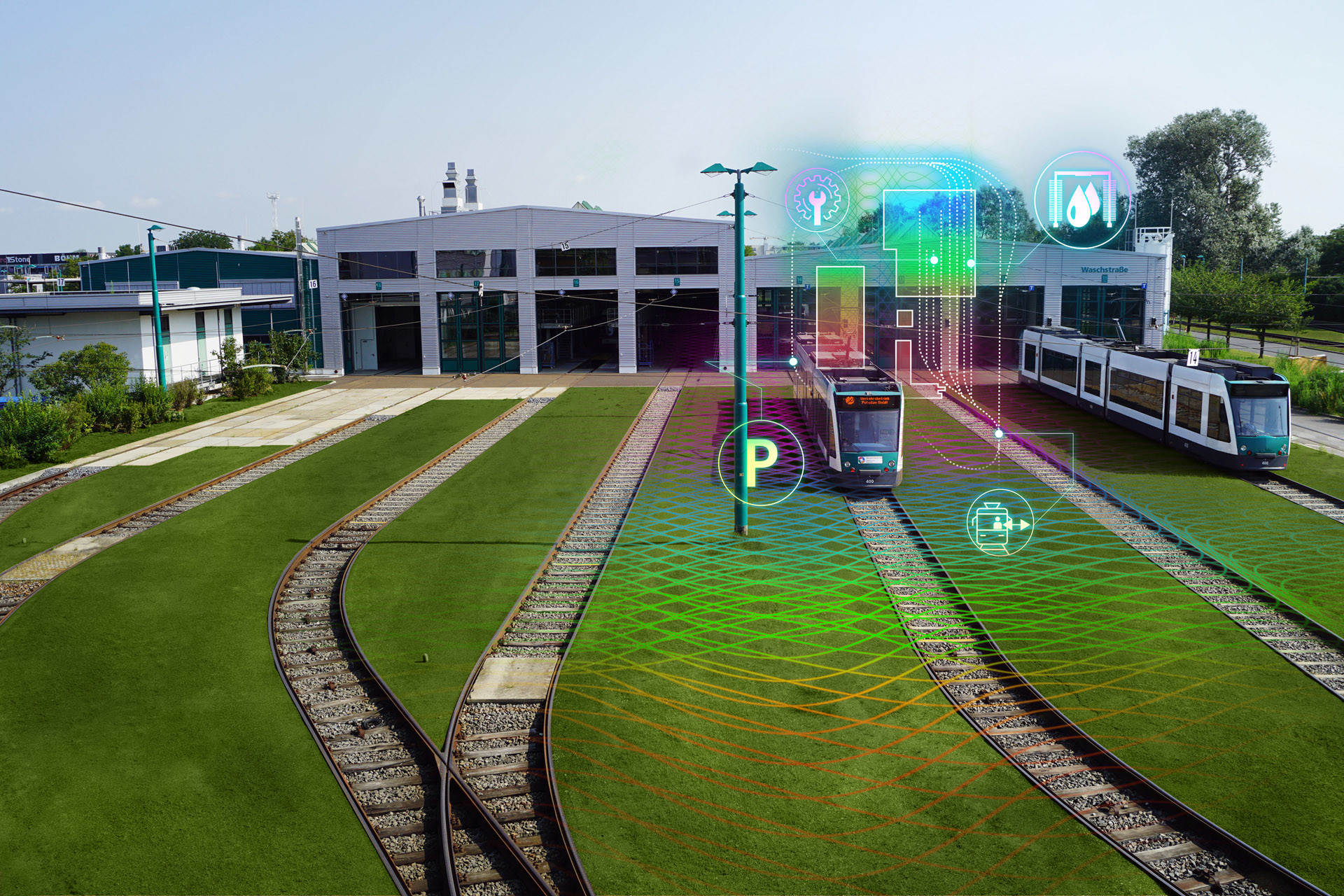




Author | Patricia M. LicerasAutonomous driving technologies continue to develop, but despite what we may think if we were to read the newspapers, cars are not the only form of transport under the spotlight. If in 2018, Germany launched the first driverless tram in Potsdam, one year later, it has continued with this same line with the development of a totally automated depot, also in this city, for managing autonomous trams.The project, which has been funded by Germany’s Federal Ministry of Transport and Digital Infrastructure, was launched by a consortium of companies and research centres last October and it will last for three years. The AStriD partners (Autonomous Tram in Depot), as it is called, consider it to be a “key step” in the road towards the autonomous tram.According to Sabrina Soussan, CEO at Siemens Mobility, which is behind the initiative, along with the transport operator Verkehrsbetrieb Potsdam (ViP), the Karlsruhe Institute of Technology (KIT), the Institute for Climate Protection, Energy and Mobility (IKEM), Codewerk and Mapillary, “By automating time-consuming shunting operations in the depot, we want to better support our customers”.The project’s technical feasibility will be demonstrated with autonomous service operations in Verkehrsbetrieb Potsdam’s depot with fully autonomous service operations in the depot, such as running trams through a washing bay onto a siding
Research phases
Those taking part in AStriD have divided the project into various work areas. Accordingly, Siemens Mobility will develop the autonomous tram in the depot, and the tram will be integrated into the data and system landscape via the data hub provided by partner Codewerk and localized and tracked using a Mapillary digital map.In turn, the transport operator Verkehrsbetrieb Potsdam, will provide the tram and depot infrastructure as well as access to required data, systems and facilities, and evaluate the results from the point of view of a depot operator. The Institute for Information Processing Technology (KIT) is contributing its expertise in the digitalization of depots, the automation of processes, and the identification of necessary data.In this regard, according to Professor Eric Sax of KIT, “automated systems will evolve out of the niche, especially in the field of mobility. I see an ideal field of application in the largely closed environment of a depot”.Lastly, the Institute for the Protection of Climate, Energy and Mobility will assess legal and economic issues in the project.
A viable technology over the medium term
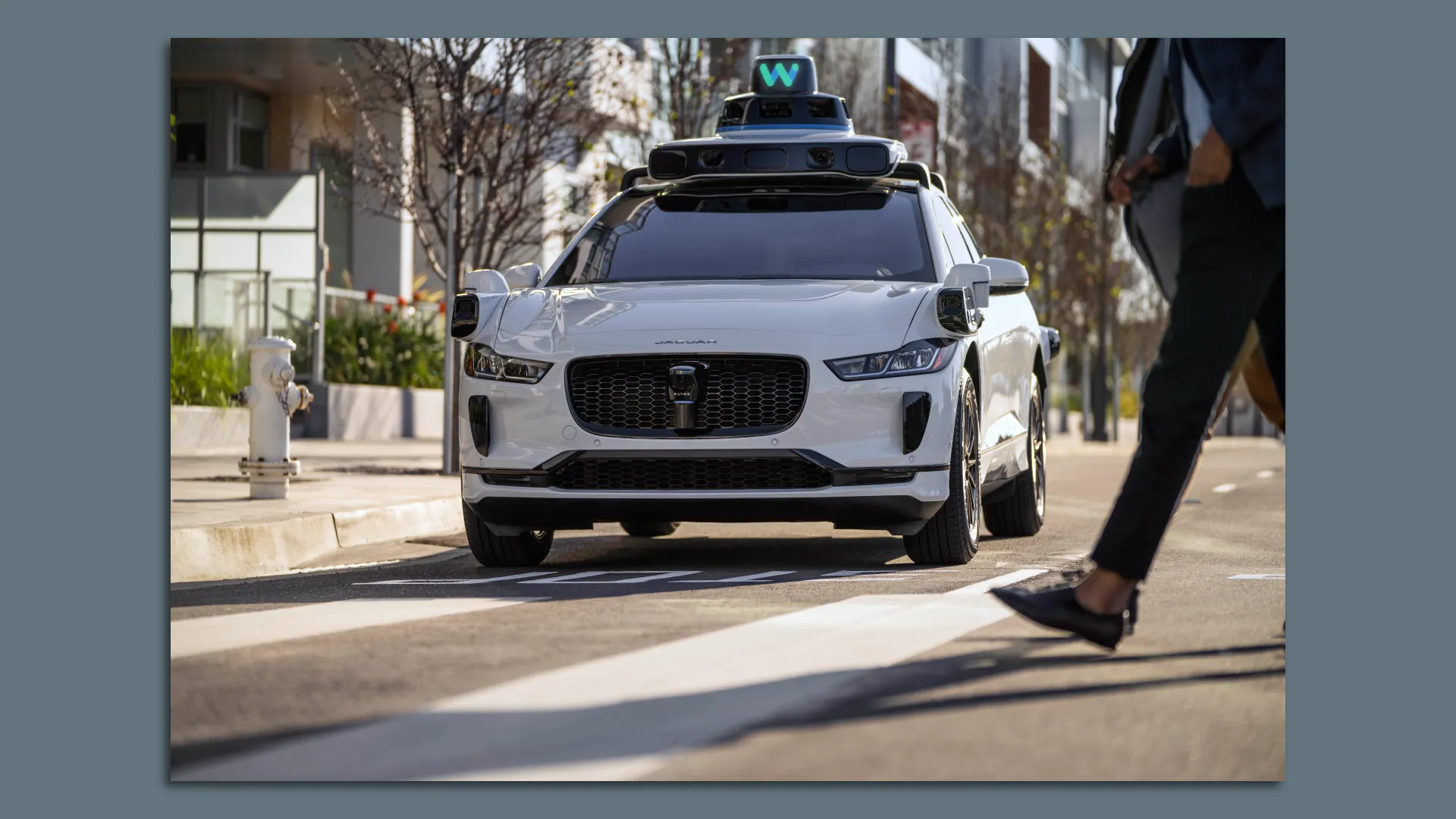
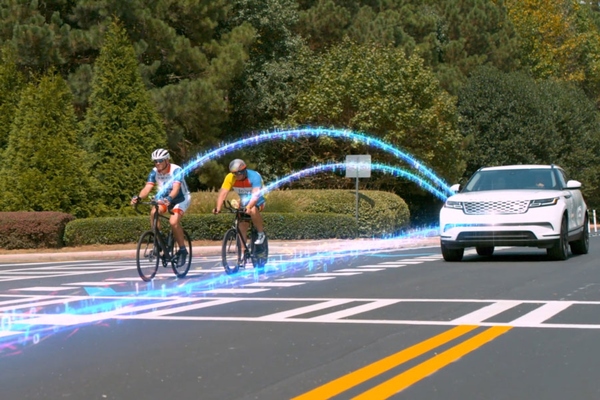
 According to the participants in AStriD, this technology will be commercially viable over the medium term as the first stage of autonomous tram driving.A new form of transport that is more like an autonomous car than an autonomous train. A tram’s infrastructure is more complex than, for example, that of autonomous underground trains. In the latter case, driving is mainly controlled remotely and the route is a closed system. On the other hand, trams have to tackle street traffic, therefore they have to interact safely with cars, bicycles and pedestrians, which is a significant challenge.Thanks to the level of development of the autonomous driving industry, there are now sensors and artificial intelligence that are capable of controlling these situations.The face of mobility is changing and, by teaching vehicles to recognise and understand their environment, we will see both autonomous cars and trams driving along our streets in the coming years. Images | Siemens