



Author | Tania Alonso The Food and Agriculture Organization of the United Nations (FAO) defines three phases of food insecurity when measuring hunger in the world: mild, moderate and severe The first is experienced by people who are facing uncertainties regarding their ability to obtain food. The second, by those without sufficient resources to follow a healthy diet and who sometimes go without food.The third is experienced by those that spend entire days without eating numerous times throughout the year. At the end of 2019, 135 million people fell within this group. And the UN warns: the coronavirus crisis could double the number to 265 million people by the end of 2020, if measures are not taken to prevent it.
The impact of Coronavirus on hunger
According to the 2020 Global Report on Food Crises, drawn up by the FAO, around 135 million people in 55 countries experienced acute food insecurity at the end of last year. In total, 22 million more people than in 2018. The main causes were conflicts and extreme meteorological phenomena, and now, this year, the coronavirus pandemic.This new crisis is affecting food availability, jobs and means of survival and access to medical services. In addition, inequality and conflicts are increasing, above all in areas at war or with limited stability.In 2019, ten countries accounted for 65% of the population in an acute food insecurity situation. They were Yemen, the Democratic Republic of the Congo, Afghanistan, Venezuela, Ethiopia, South Sudan, Syria the Republic of Sudan, Nigeria and Haiti. Countries that shall probably be most vulnerable to the effects of the coronavirus crisis.
Cities, social inequalities and unemployment
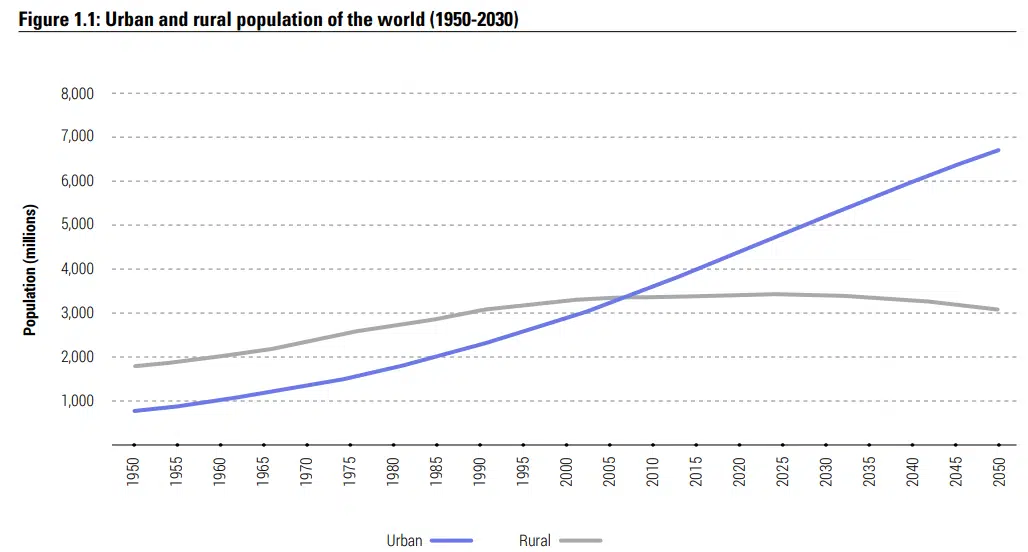
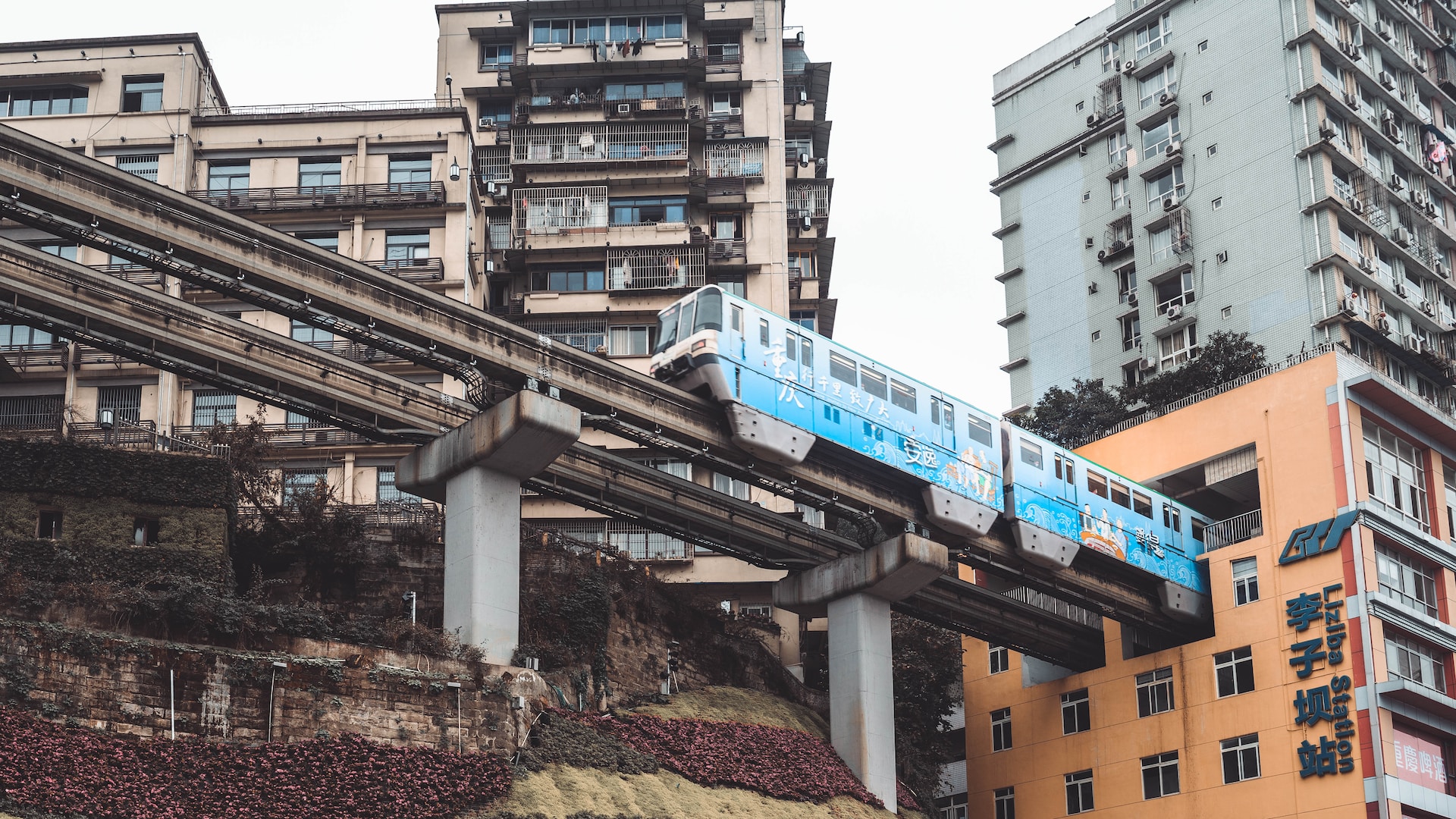
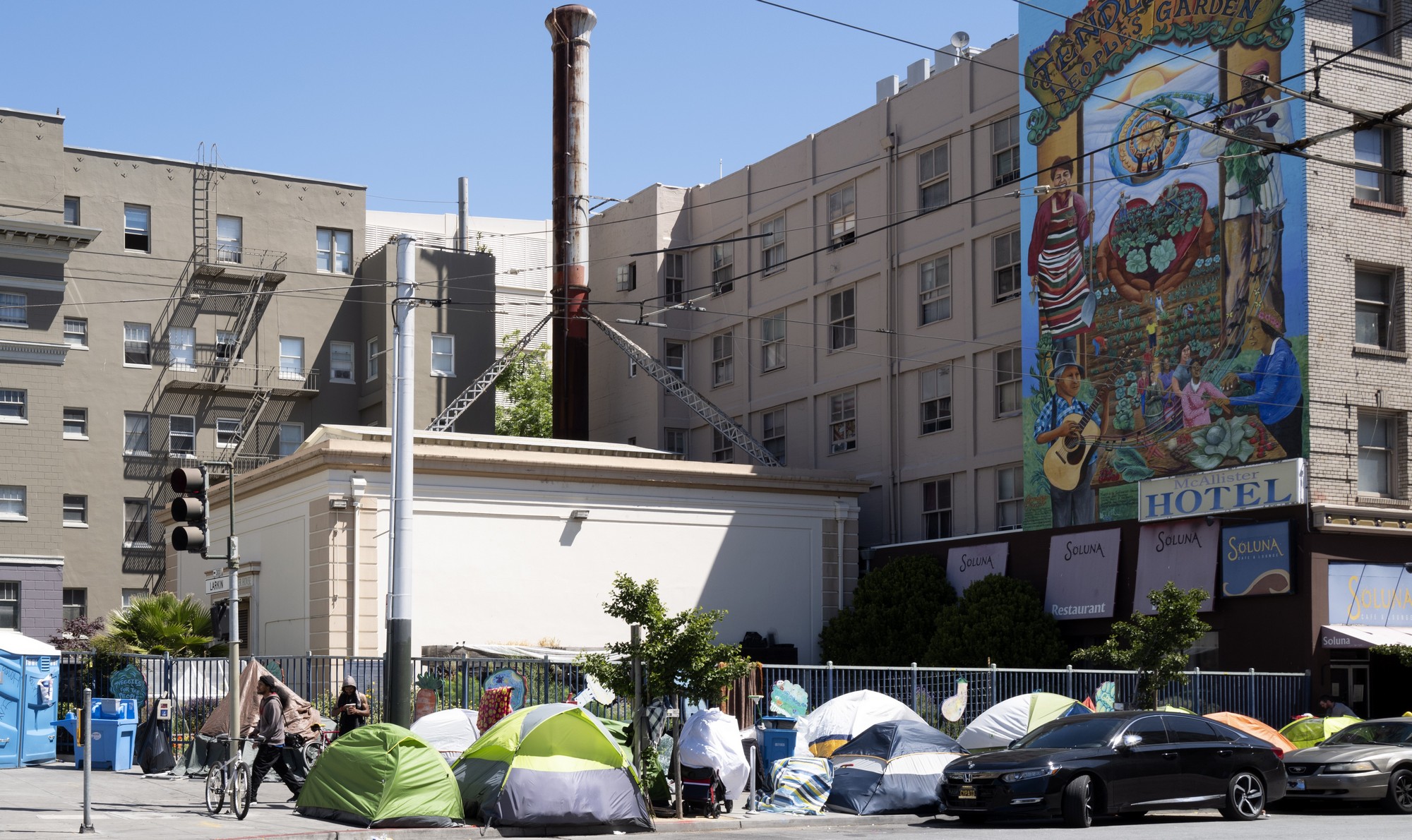
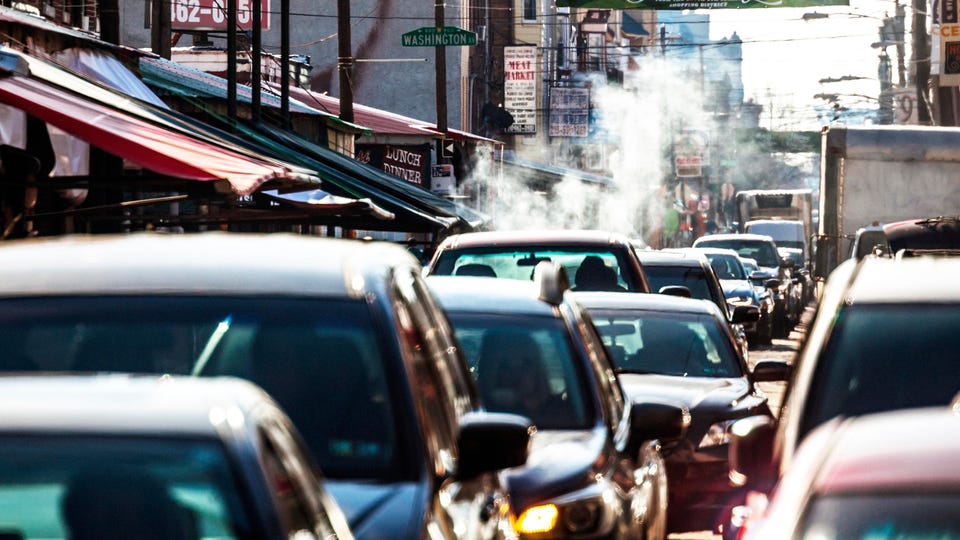
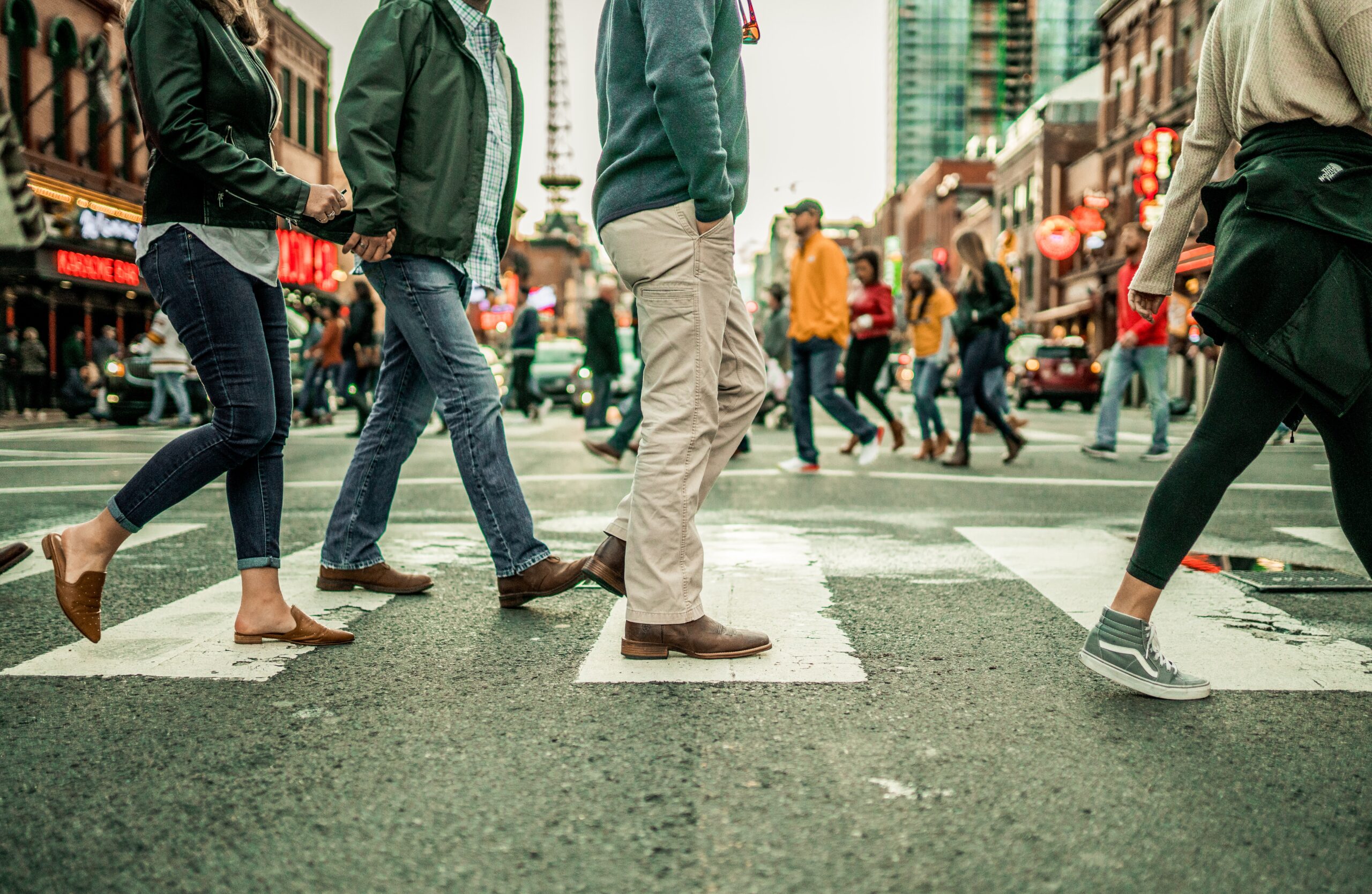
The impact of the coronavirus can be felt with force in cities, where the closure of stores, supply chain stoppages and a possible increase in prices may reduce access to food. In Latin America, some cities have launched various plans to keep food supplies running despite mobility restrictions.Social inequalities may increase in cities, particularly in suburbs. In this regard, Amina Mohammed, Deputy Secretary General of the United Nations, indicates that women account for 60% of workers in the informal economy. This is concerning since it is estimated that this crisis could increase unemployment and lead to temporary or illegal contracts.

Organization of cities and new forms of employment
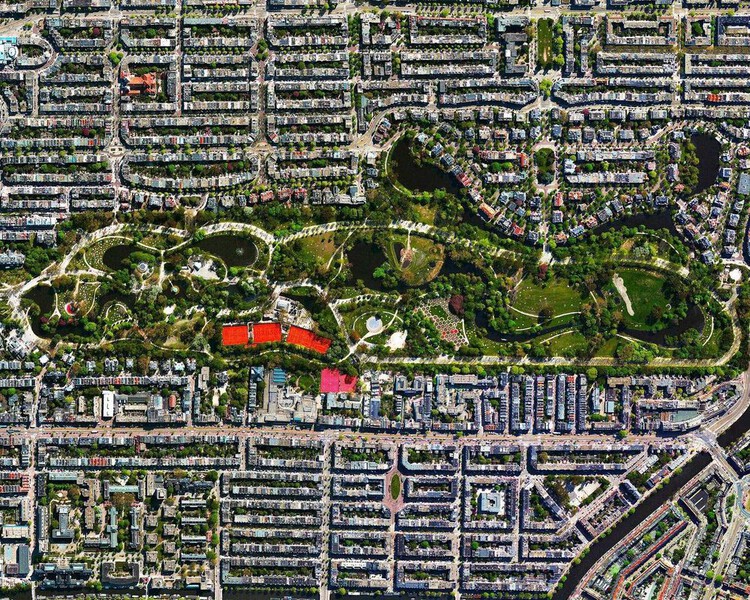
Cities are also scenarios in which it is easier to establish a control and supply systems. The report by the FAO indicates four priorities: to increase remote systems to monitor food security; preserve critical humanitarian food and livelihood assistance; strengthen and improve social protection systems and increase the support for food preparation, transport and local food markets.Furthermore, cities are places in which it is possible to create more sustainable forms of employment and new labor markets. “In these times of unprecedented global challenges (…) we must double our efforts to end hunger and malnutrition”, indicated Antonio Guterres, Secretary-General of the United Nations. “We have the tools and the knowledge. What we need is leaders and nations to show their willingness and a sustained commitment”. Images | v2osk, Taylor Wilcox