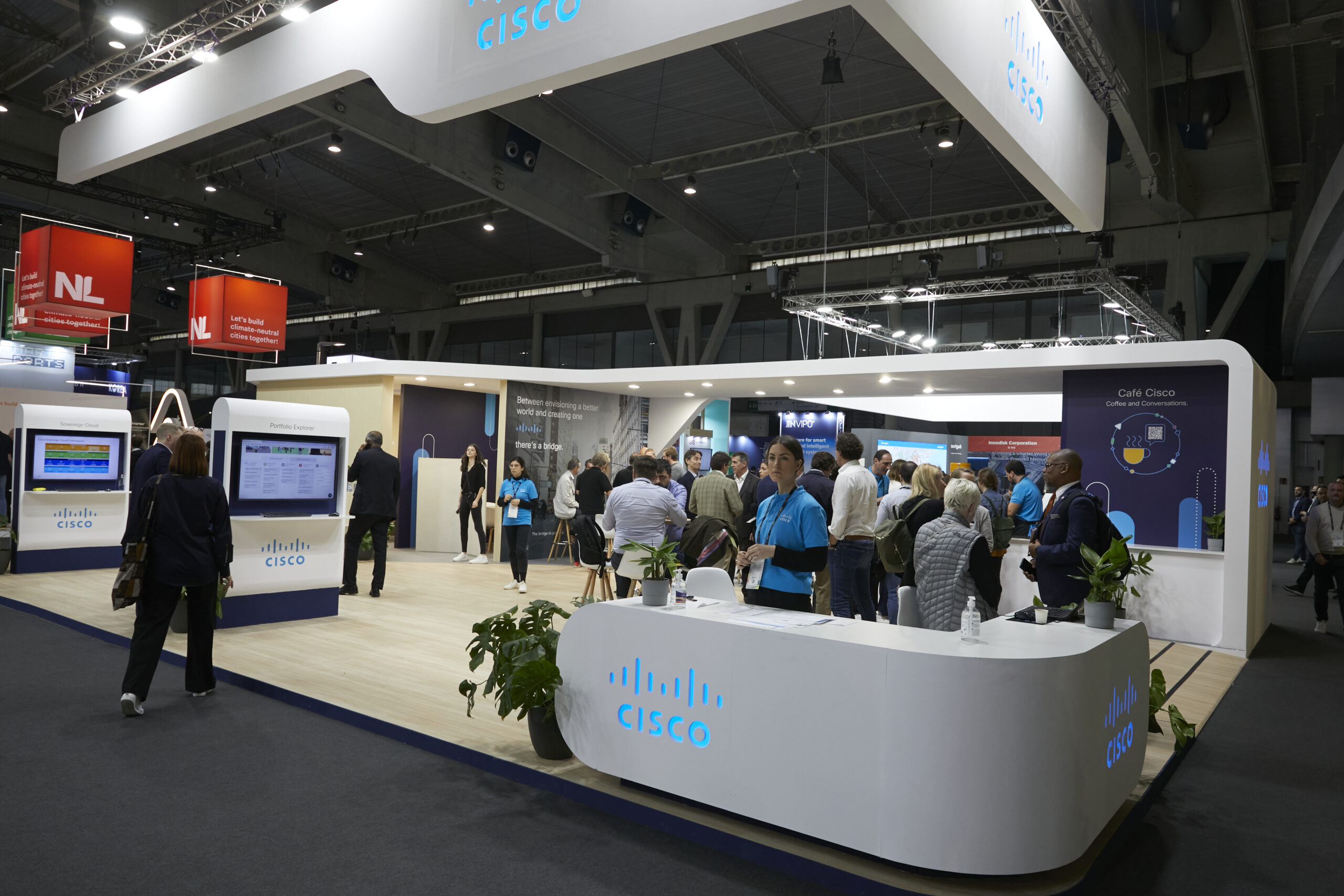




Author | Eduardo BravoTech giants such as Google, Amazon, Microsoft, Toshiba or Cisco are building smart cities in various parts of the world. This decision may come as a surprise to some however, it is related to their core business from the very moment smart cities incorporate many of the technology advancements developed by these companies.
What is a truly smart city?
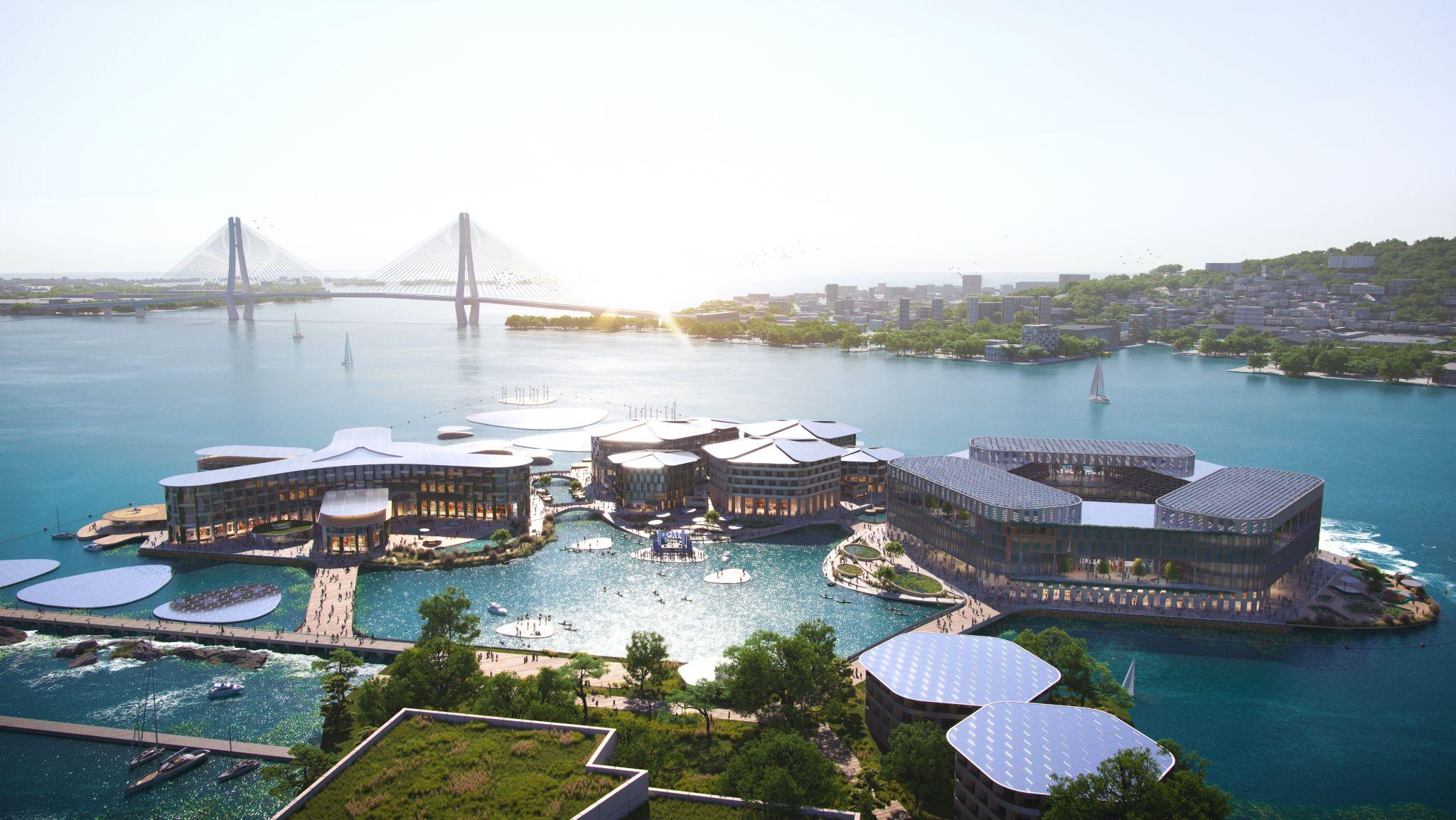
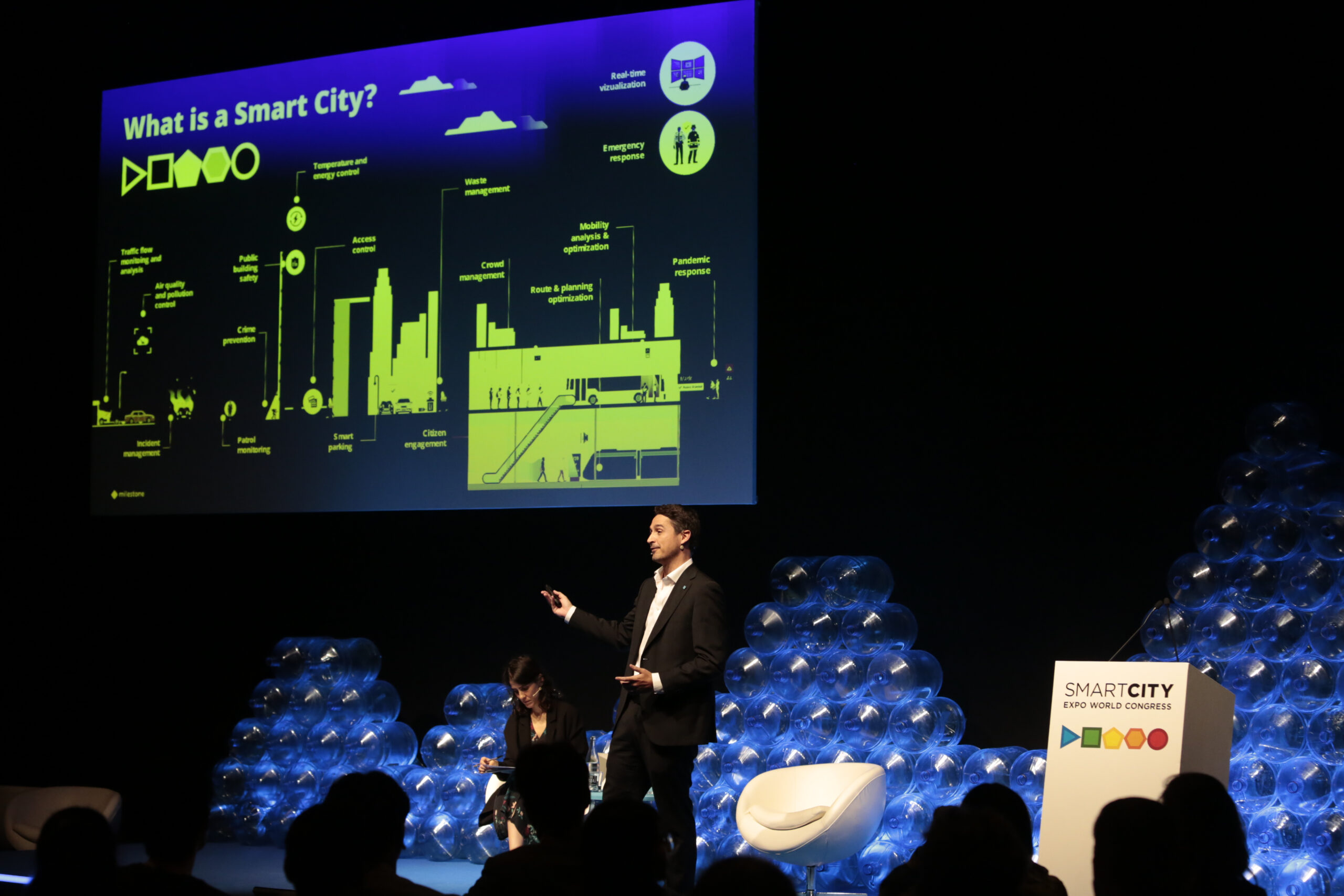
Smart cities are urban areas based on sustainability, energy efficiency and the use of information technologies, applied to the management and operation of the place, and which seek to facilitate citizens’ relationships with the institutions, foster participatory governance and improve issues such as education, health or safety.Smart cities also focus on issues concerning urban development, the distribution of infrastructures, energy supply, accessibility and mobility, promoting alternative modes of transport other than cars and, when there is no other choice but to use them, they encourage the use of electric vehicles.
What made tech giants decide to get involved in the development of smart cities?
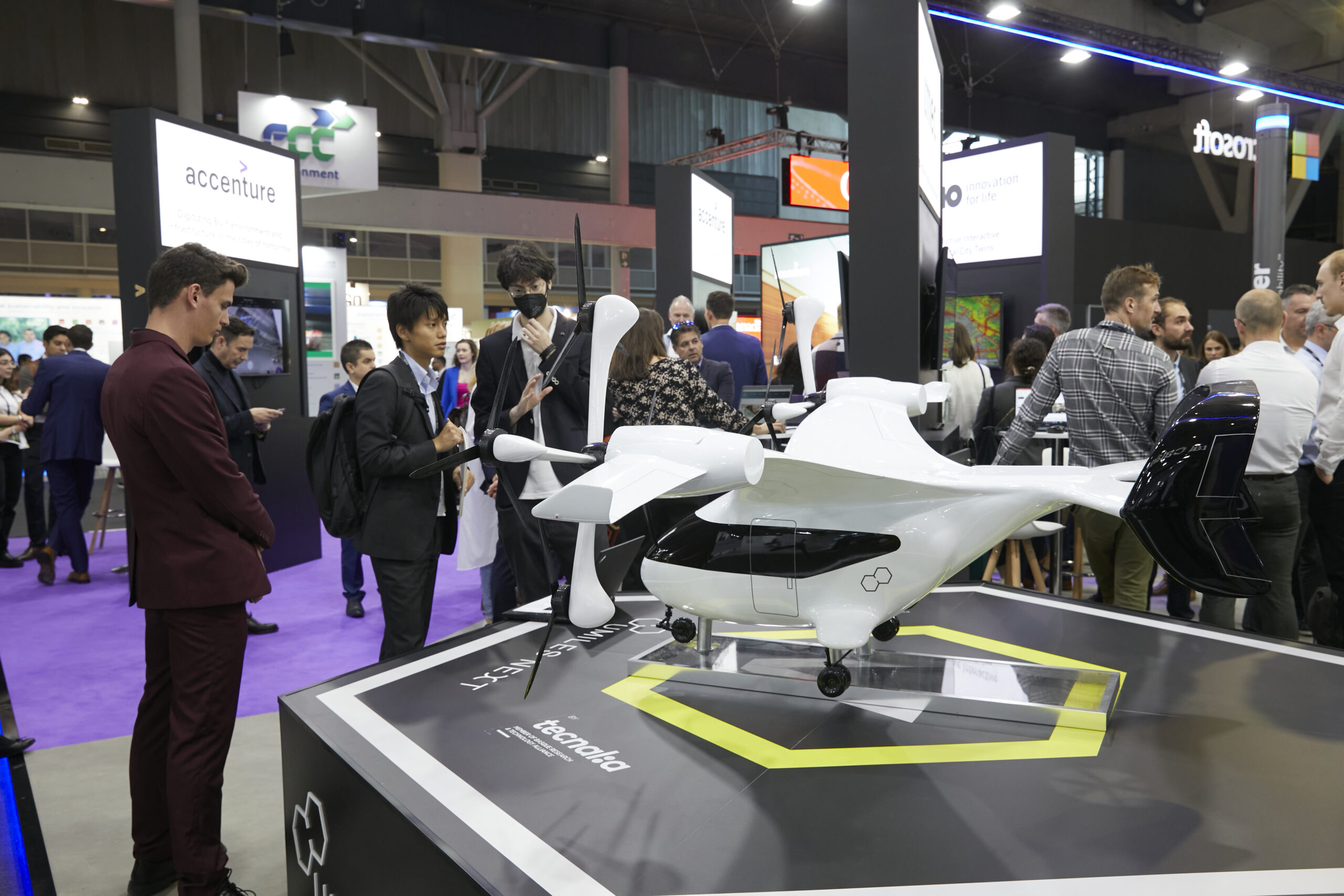
Some key technologies for the development of smart cities are the internet, the internet of things, mobile phone technology and electric vehicles. In this regard, smart cities are ideal laboratories for testing many of the new projects designed by these technology companies.Toyota, for example, is building the Woven City at the base of Mount Fuji, a city defined by Akio Toyoda, the company’s CEO, as a “technology incubator”. The Japanese company will use Woven to test its autonomous self-driving models and its electric vehicles, the only vehicles authorized in the area since the ban on internal combustion engines. Google intended to create something similar in Toronto. The project was called IDEA (Innovative Design and Economic Acceleration), a smart city in which the main novelty compared with other similar projects was that the processes for approving initiatives regarding city governance were going to be carried out by Urban Data Trust. After collecting and analyzing citizen data and the way in which these citizens use infrastructures and public services, this organization would make decisions concerning the management of the city, but without directly consulting the population.Finally, the initiative, which was highly criticized, will not go ahead, not because of the threat it posed to democratic participation, but because the COVID-19 pandemic has led to the project being suspended sine die.The Toyota and Google cases are two examples of the main reasons behind this sudden interest in urban development: managing to create enormous living laboratories in which to implement their latest technological developments before launching them to the rest of the world. The problem is that neither of these firms has any real urban planning or architectural experience, therefore, they depend on external partners to develop their proposals.
Are smart cities totally safe?
Data management and the analysis thereof by artificial intelligences are not only useful for making decisions regarding city governance. They are also a way of increasing the safety of smart cities in various aspects such as crime prevention, traffic safety, or controlling diseases and pandemics such as COVID-19. In any event, and as was the case with the IDEA project, collecting peoples’ data and subsequently using such data, must be conducted respecting rights such as the intimacy or privacy of medical files.Furthermore, despite these advances, smart cities are not impenetrable and they can experience other types of security problems. For example, those related to that same technology on which they are based. Cyberattacks against the city’s control centers that regulate the power, gas and water supplies, against the departments responsible for directing traffic or even against autonomous cars, which depend, to a large extent, on a computer, are the new threats that cities now face when they become smart. They are undoubtedly factors that will be taken into account by firms such as Tencent and Toyota if they have not already established them as one of their defining factors.Images | Google, Shenzhen Net City, Toyota