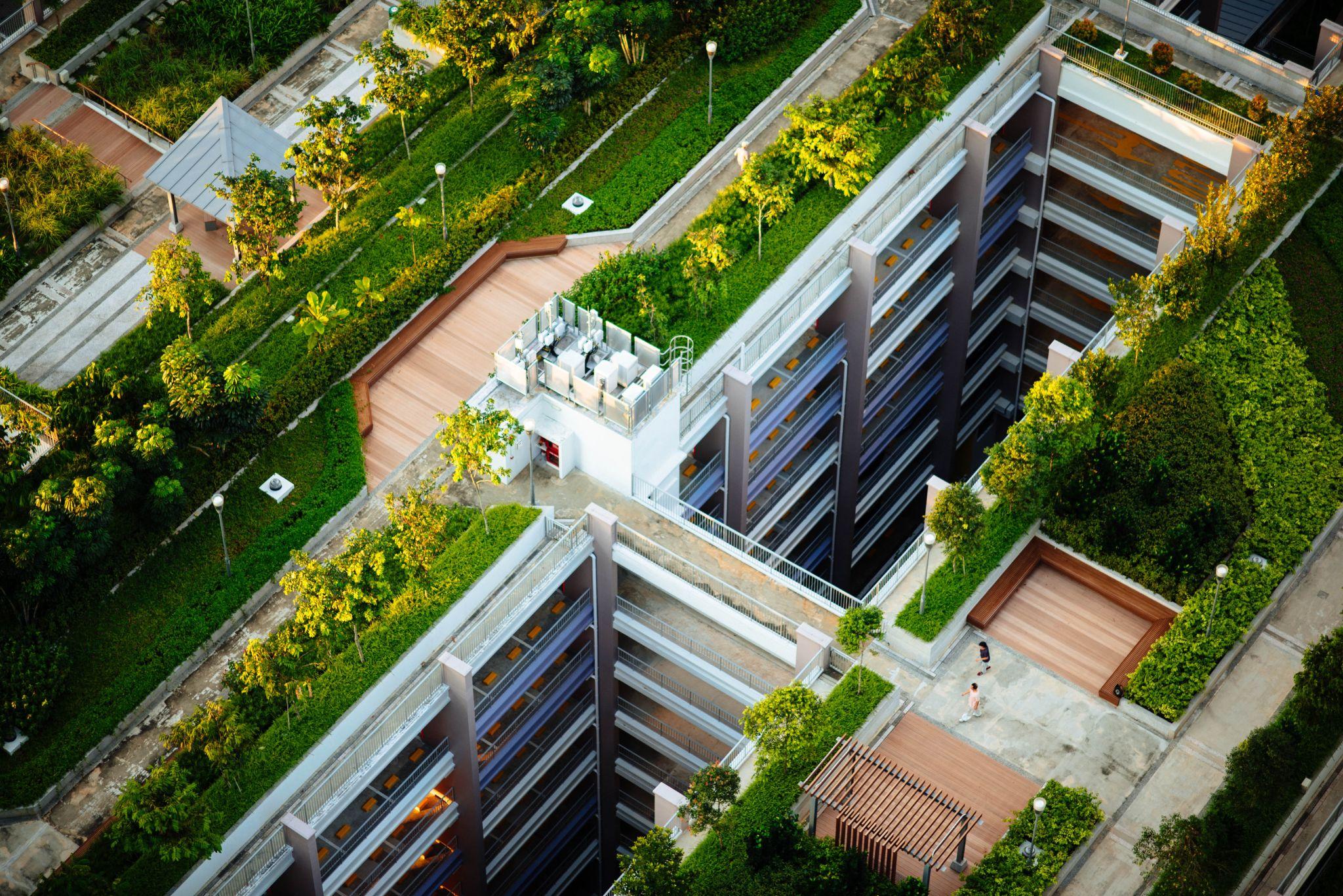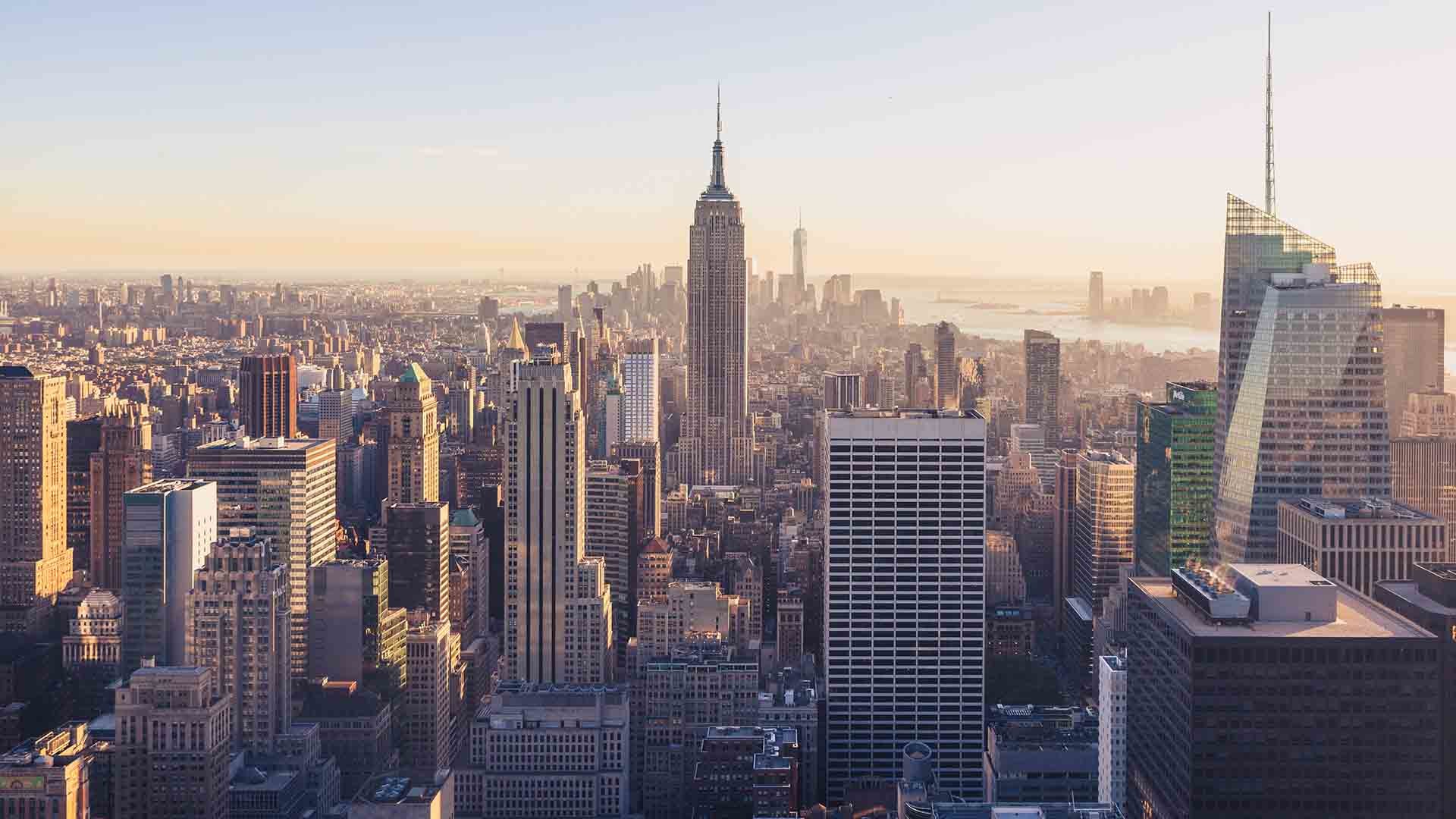




Author | Tania Alonso It is estimated that 60% of the buildings that will exist in 2050 have not been built yet. And that, when built, the equivalent of a city the size of New York will have been built each month, from today until that date.Building homes for a continuously growing population involves many challenges. One of those that are most concerning is the environmental aspect: buildings account for around half the total carbon dioxide emissions of numerous cities. Their construction, maintenance and use involve very high and practically constant costs for energy and materials.A trend that is not decreasingIn 2018, the UN had good news: the emissions generated by buildings and their construction seemed to have reached their maximum level. They had stabilised thanks to improved energy solutions for heating and lighting, for example, and the use of cleaner energies in households and offices.However, the 2019 figures reversed this news. Global building-related emissions had increased again, according to the report ‘2019 Global Status Report for Buildings and Construction’, conducted by the International Energy Agency (IEA) and the United Nations Environment Programme.The increase was just 2%. But this is a very significant increase in environmental terms: buildings and construction account for around 39% of total carbon dioxide (CO2) emissions related to energy. Many are caused by the production of materials and construction products such as steel, cement and glass. In turn, power generation overall generates 40% of all emissions worldwide.The problem of not being able to reduce the emission of polluting gases intensifies if we take into account the short-term future prospects. Because, according to the UN Global Alliance for Buildings and Construction, energy demand in this sector could increase by 50% by 2060.

A constantly growing world
Cities are constantly growing. It is estimated that by 2050, the urban population will have increased by 2.5 billion people. Most of these will be in Asia and Africa, and homes, workplaces, public buildings and all types of infrastructures will be needed for everyday life.The changes are already being seen today. The amount of habitable land for construction, for example, has increased by 23% since 2010 (to put this into perspective, a quarter of the world’s habitable land is only 10 years old)“We are facing two fundamental realities. Over the next 30 years, the global population is likely to grow by two billion, which will require more homes and related construction. At the same time, nations need to deliver a carbon neutral world if we are to avoid dangerous climate change” indicated Inger Andersen, Executive Director of the UN Environment Programme. “The buildings and construction sector needs to meet this challenge by providing affordable, quality, comfortable, healthy and super-efficient homes and workplaces”.
The transition towards zero carbon standards
A large part of the pollution caused by construction is due mainly to energy intensive activities, such as steel and the burning of fossil fuels. However, in recent years, alarms have been raised in relation to other sources of pollution such as air conditioning systems.The use of these appliances has tripled since 2010, and it is likely to continue increasing due to the increase in temperatures. These appliances consume electricity that is normally generated from fossil fuels. They also use chemical refrigerant products (CFC and HCFC) that contribute to global warming.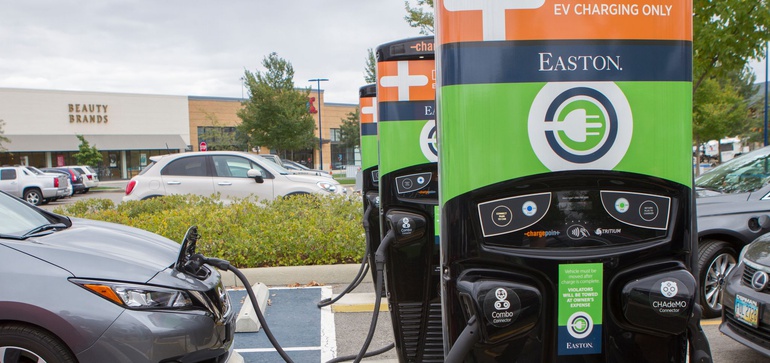 There have also been some positive trends, such as the penetration of LED lighting, improved insulation systems in homes and an increase in renewable energies. International states and agencies have an essential role to play in establishing decarbonisation plans and energy efficiency measures such as these. They are responsible for approving legislations to restrict the actions of large companies. And also policies that favour more environmentally-friendly measuresBehind various initiatives to reduce the impact of buildings on the planet, is the Cities Climate Leadership Group (C40). An organisation that connects over 80 large cities across the world with the aim of limiting their impact on the environment and mitigating the consequences of climate change.
Global initiatives
The study ‘Building and infrastructure consumption emissions in focus’, developed by the C40 and the University of Leeds in the United Kingdom, identifies a series of interventions that could reduce emissions in buildings.They are based on optimising their use to extend their useful life, thus not having to waste the materials used during the construction process, changing high-emission materials for more sustainable ones (such as wood) or reducing the use of cement, among other solutions. They indicate that, by adopting these measures, up to 44% of infrastructure-related emissions could be reduced between 2017 and 2050.Another C40 initiative is Building Energy 2020. A programme that guides over 50 cities when implementing policies and programmes aimed at reducing emissions in buildings. The project seeks to optimise existing buildings by modernising the lighting and heating systems, for example. It also fosters the creation of more sustainable and efficient new buildings. One of the points in this programme integrates consultants in four main cities in China, to modernise both municipal and residential buildings. They also advise leaders of cities in South Africa such as Johannesburg, Tshwane, Durban and Cape Town in terms of adapting their legislation and making it greener.Changing urban structures and buildings to promote sustainability, entails involving numerous stakeholders, including raw material extractors to legislators and even transporters. But doing so is no longer an option but an obligation.Reducing the impact of cities is essential in order to achieve the climate and environmental goals. It is also essential in order to guarantee the wellbeing of city residents in the coming years. Images | Jonathan Riley, Andrea Cau, Michu ??ng Quang, Nate Watson