



Author | Lucía Burbano
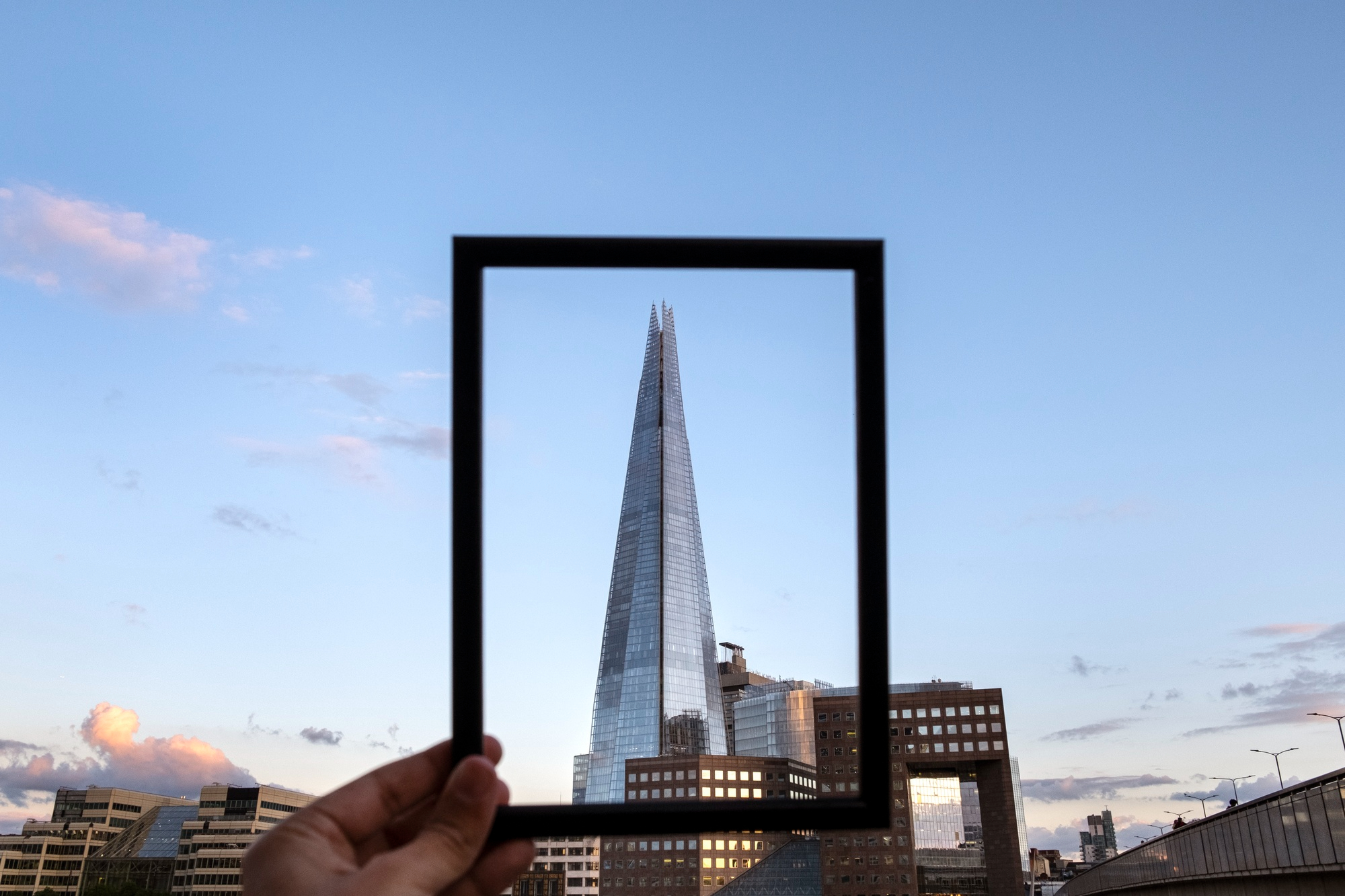
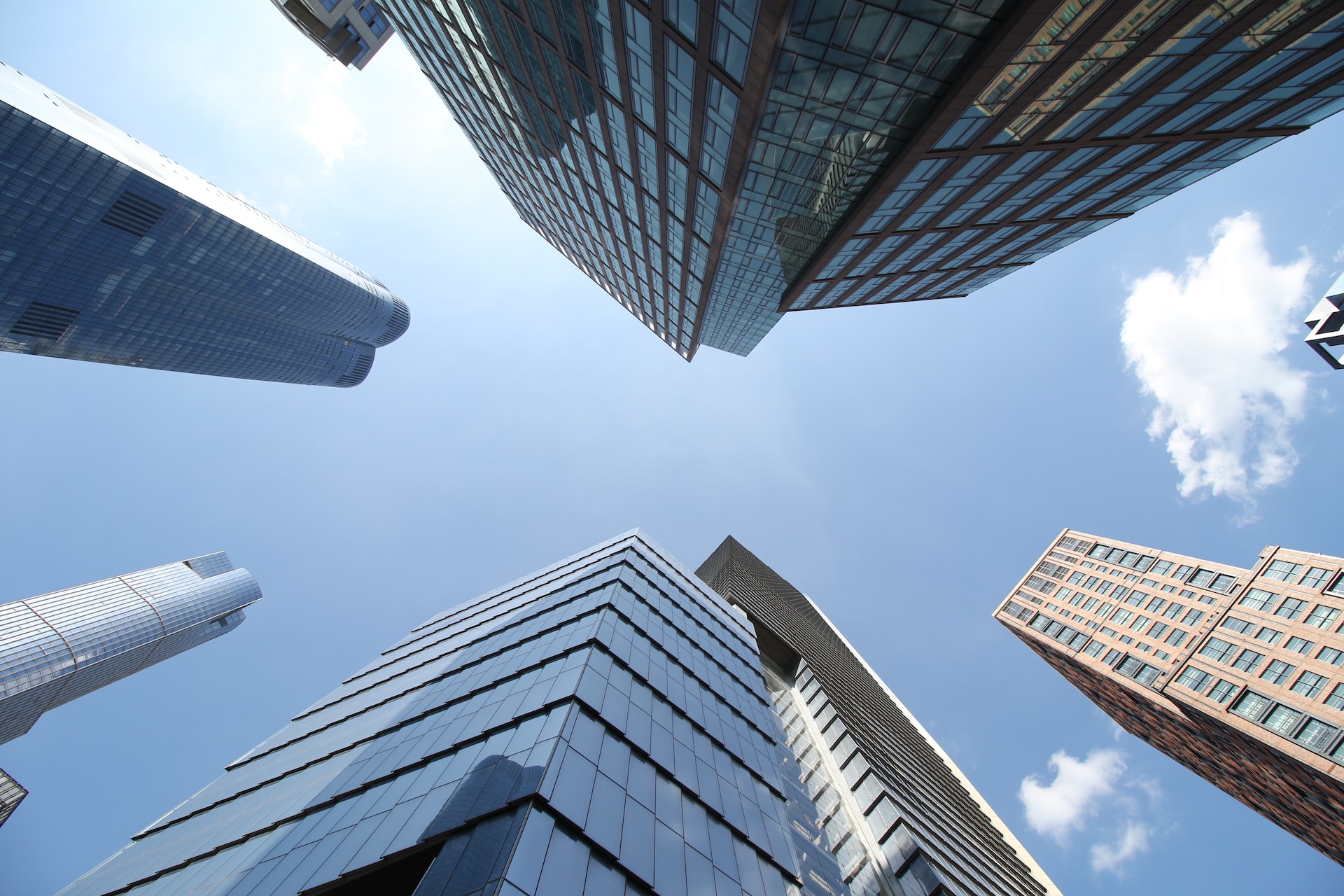
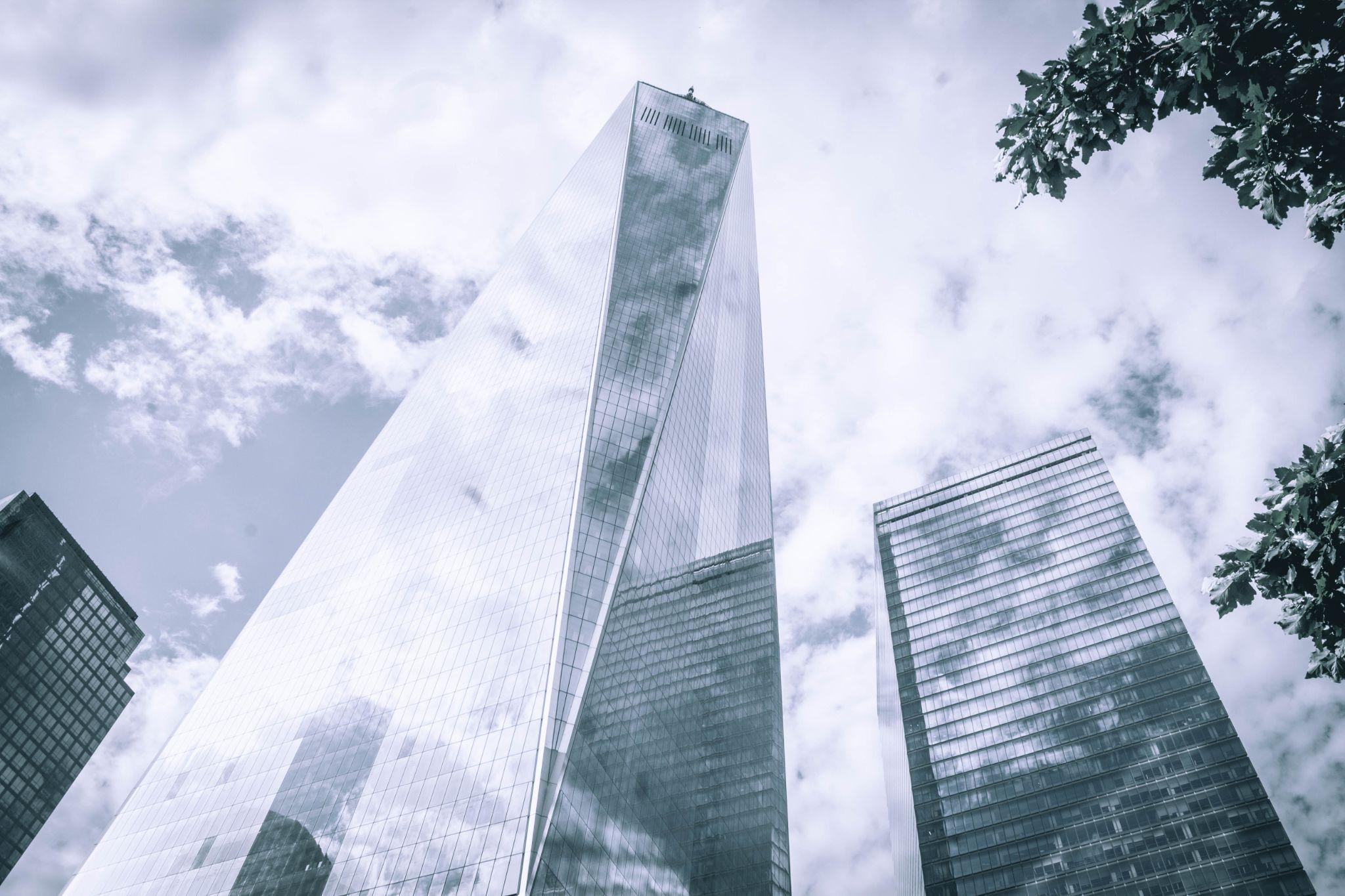
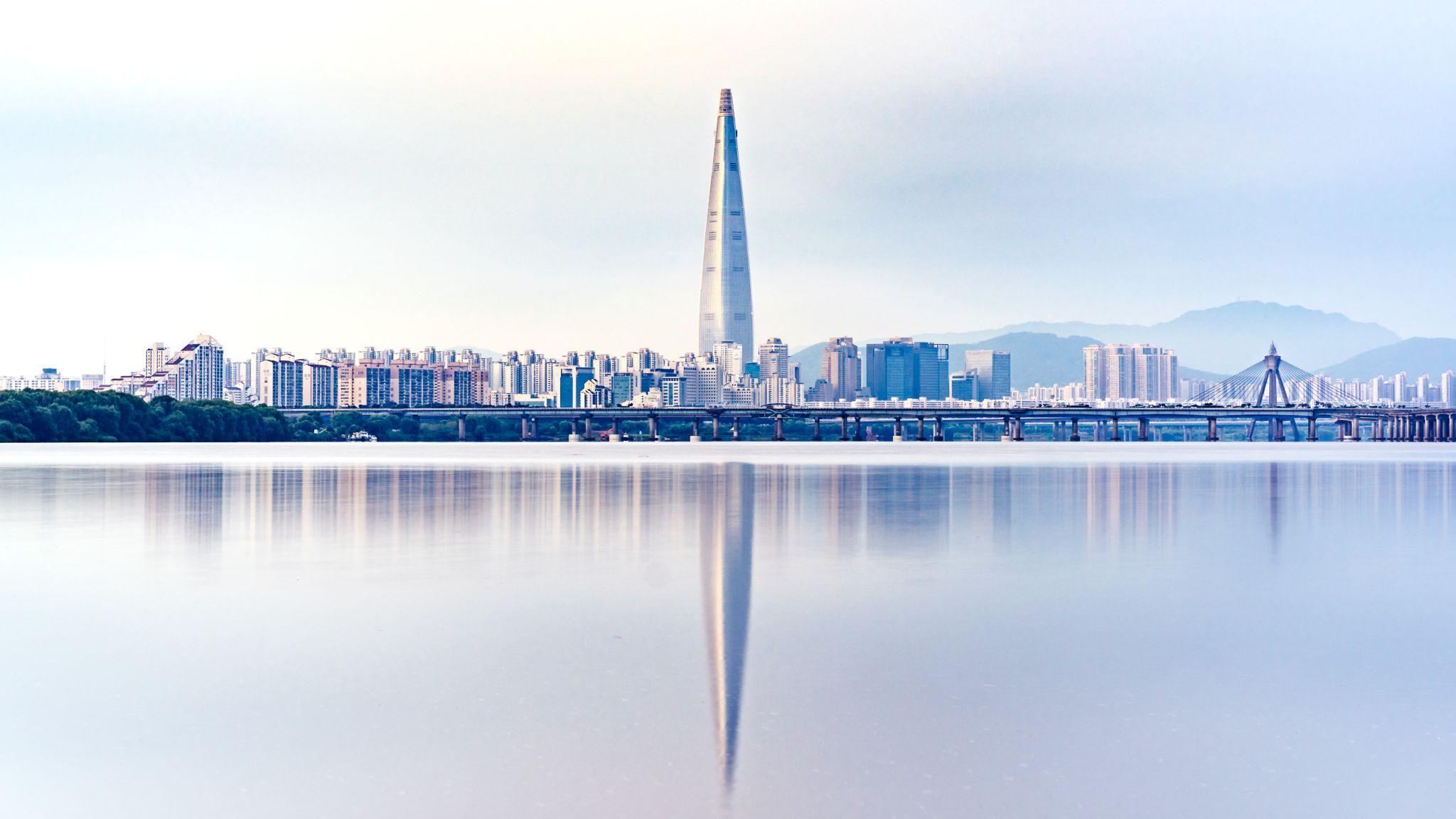
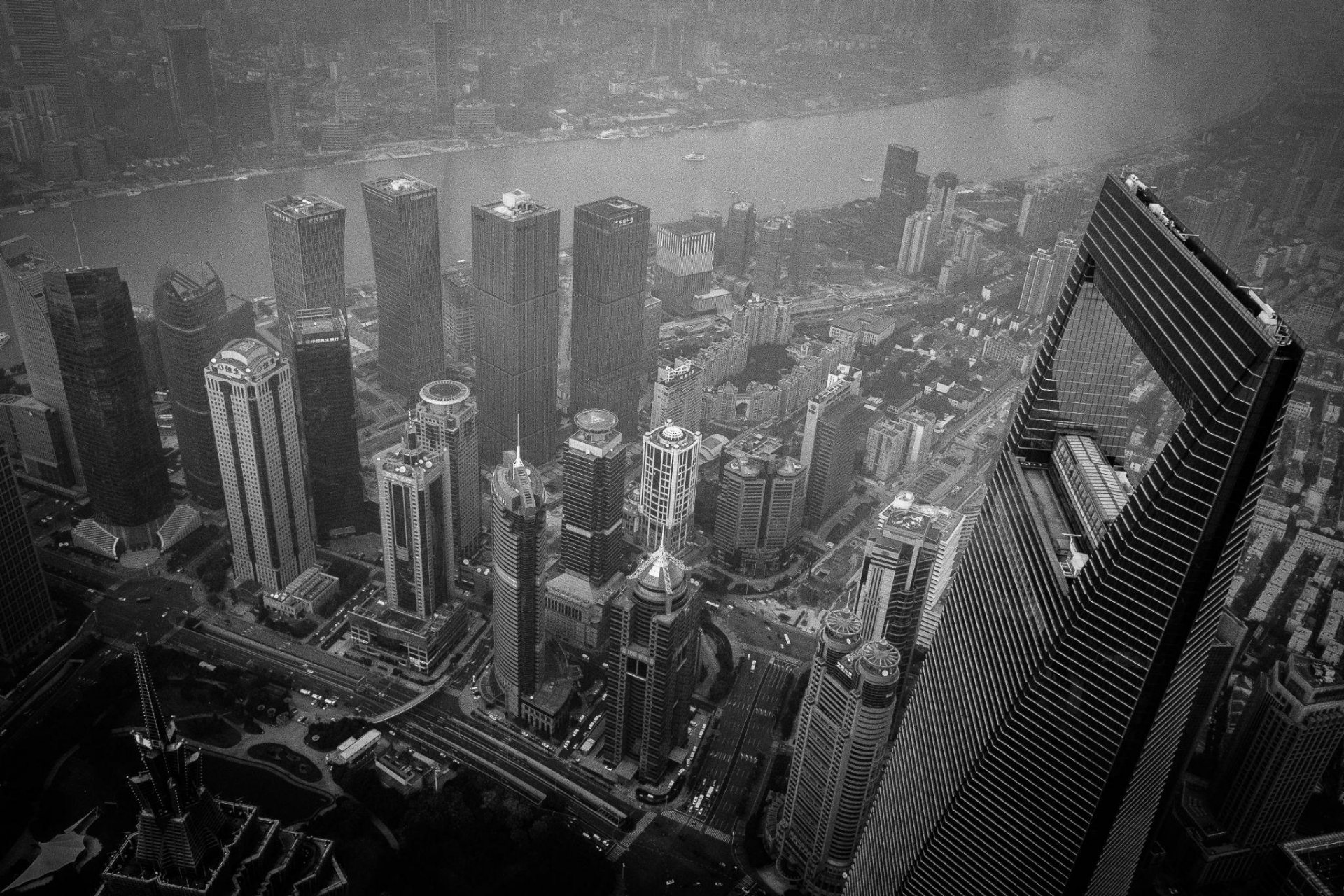
According to a report by the Council on Tall Buildings and Urban Habitat, between 1930 and 2010 (80 years) the first 50 skyscrapers in the world were built, while during the period from 2010 to 2015, 50 more were built. It seems to be an unstoppable boom, but how is the useful life of a building measured? And specifically of a skyscraper.
The architecture and construction sectors are guided by ISO standard 15686, which takes into account factors such as materials, the energy used, the construction systems, among many others.
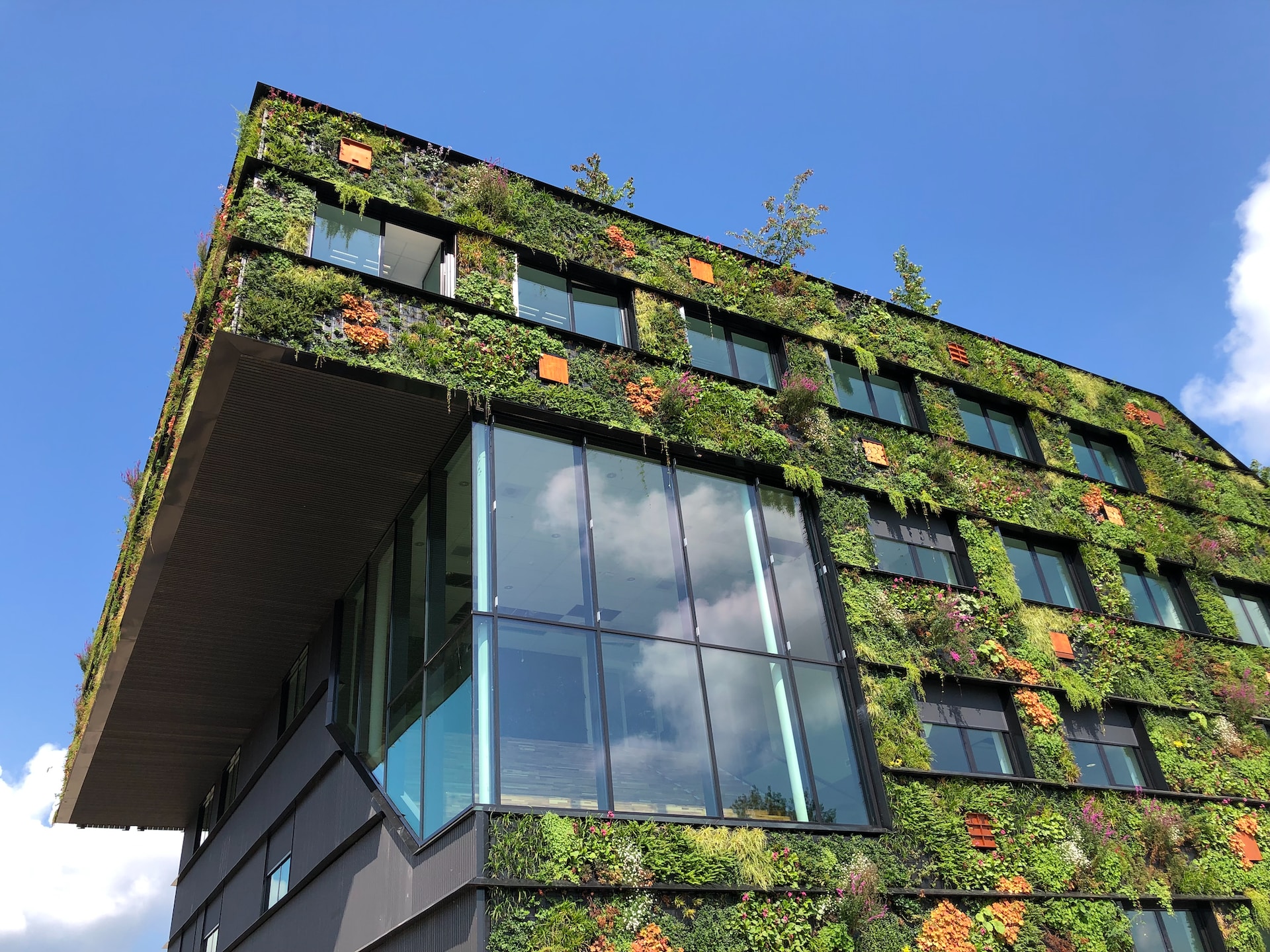
As the years have gone by, the structure of skyscrapers has gone from being exclusively reinforced concrete to the use of materials such as steel and glass. And other more sustainable materials such as wood are already being used and even projects that seem taken from a science fiction movie, as they propose completely self-sufficient skyscrapers.
Are skyscrapers beneficial for the environment?
The answer, according to the study Decoupling density from tallness in analyzing the life cycle greenhouse gas emissions of cities‘ published in the Nature journal, is no. The conclusion reached by researchers is that a chain of skyscrapers generates 140% more total emissions during their service life compared with an area with lower buildings with the same numbrer of inhabitants.
The reason behind this is that skyscrapers require heavier structures, thicker foundations and greater use of materials with a higher carbon footprint than lower buildings
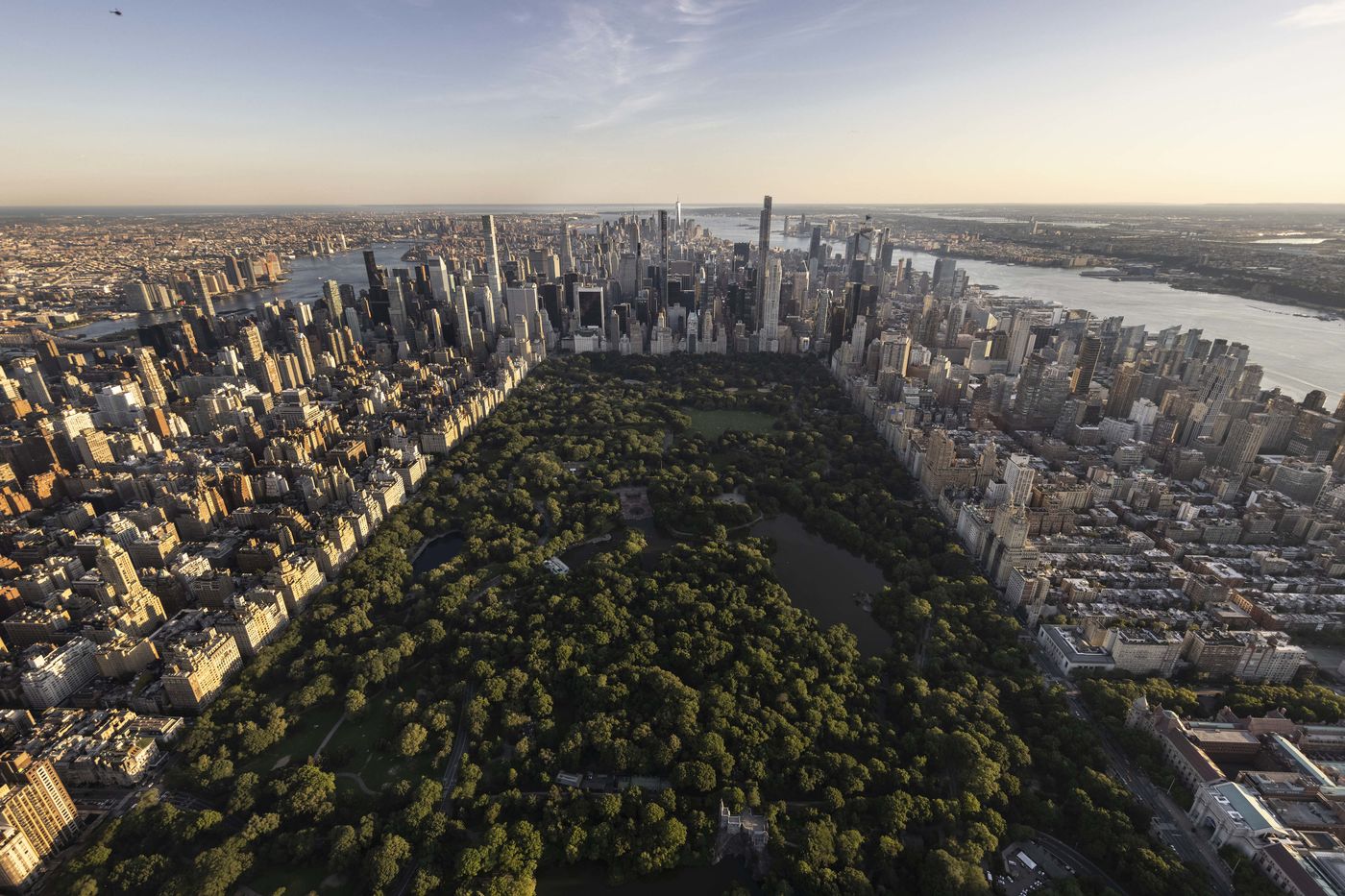
What is the solution then? For existing skyscrapers, the solution is to refurbish them and adapt them to current standards. There are already some examples. The Empire State Building, one of the architectural icons of New York, completed in 1931 and standing 443.2 meters tall, was refurbished a few years ago. It now enjoys annual energy cost savings of up to 38%, which earned it a LEED certification.

Environmental disadvantages of skyscrapers
The taller they are, the greater the pollution
Building high means using more materials that must be robust enough to withstand heights of 400, 600 or 800 meters. This substantially increases the carbon footprint.
They interfere with climate.
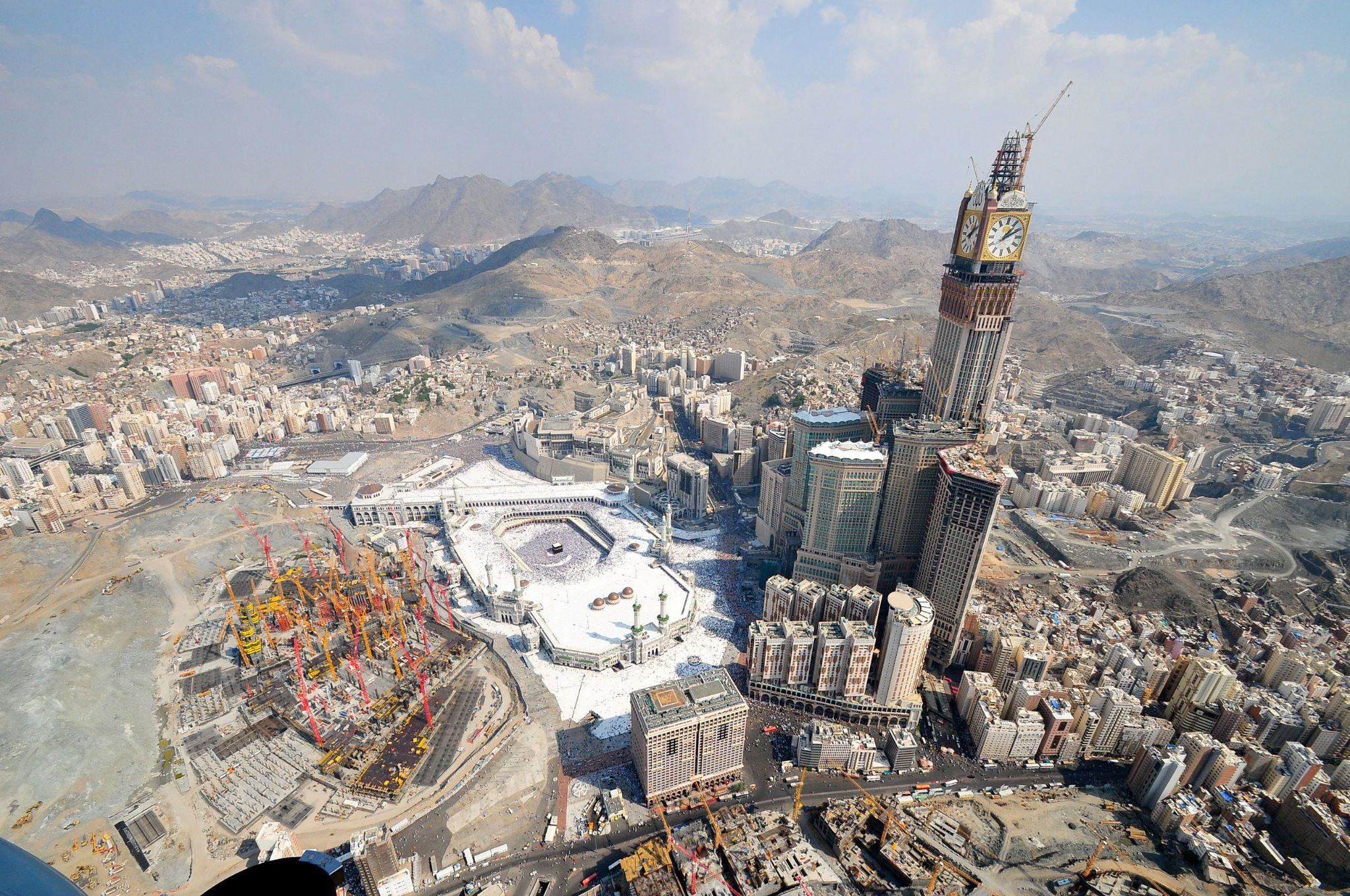
Grouping together skyscrapers in the same urban area causes heat islands since, when temperatures are high, the heat becomes trapped between the street level and the buildings, preventing the temperature from cooling naturally when then Sun goes down.
Concentration of pollution in cities
The more wind there is, the better the air quality as it blows away particles that cause pollution. However, cities with little natural ventilation and with a high number of skyscrapers and narrow streets, lead to what is known as the "valley effect". In this situation, toxic agents become traped in the upper layers. This occurs in Honk Kong, where the presence of skyscrapers along its coast blocks the sea breeze, increasing pollution.

Advantages of skyscrapers
All-in-one
Having different uses in one building concentrates more people and therefore, skyscraper advocates argue that this helps to compact various activities in one place that would normally take place in various buildings.
Build high, but less
In Europe, buildings account for around 40% of all energy consumed, and 36% of greenhouse gas emissions. So, does it not make sense to build less but build tall?
So do we need skyscrapers?

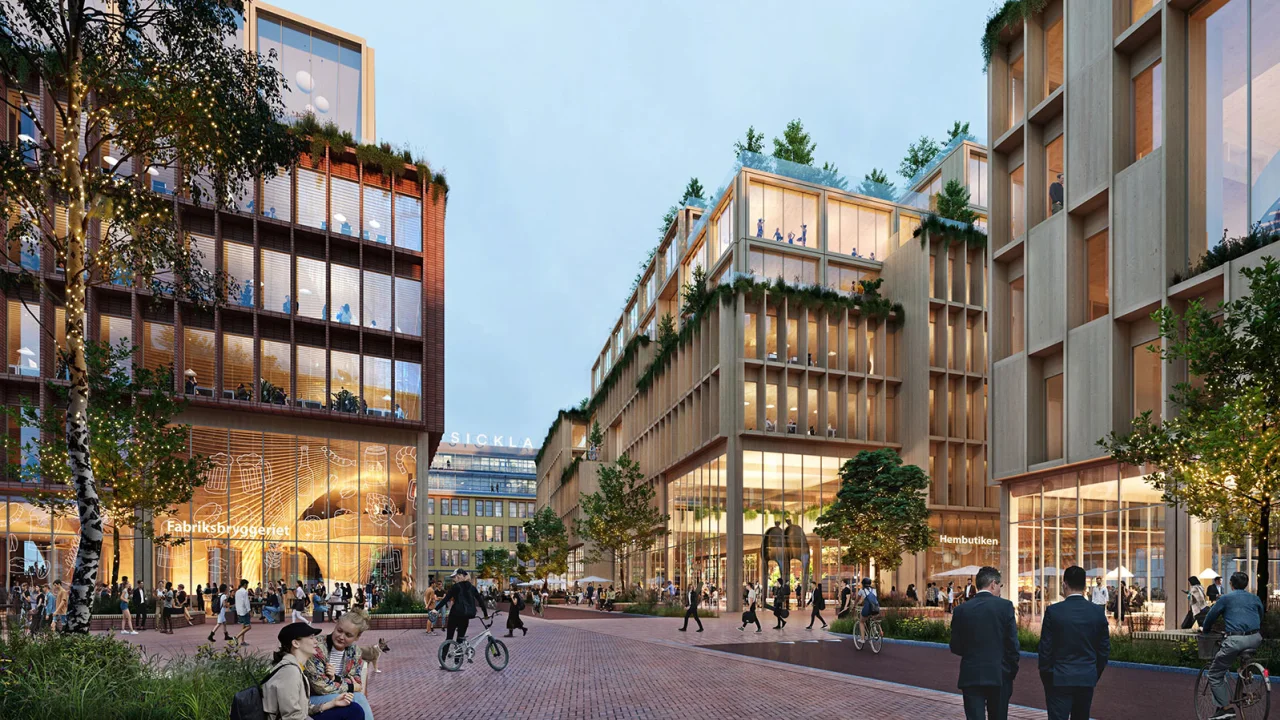
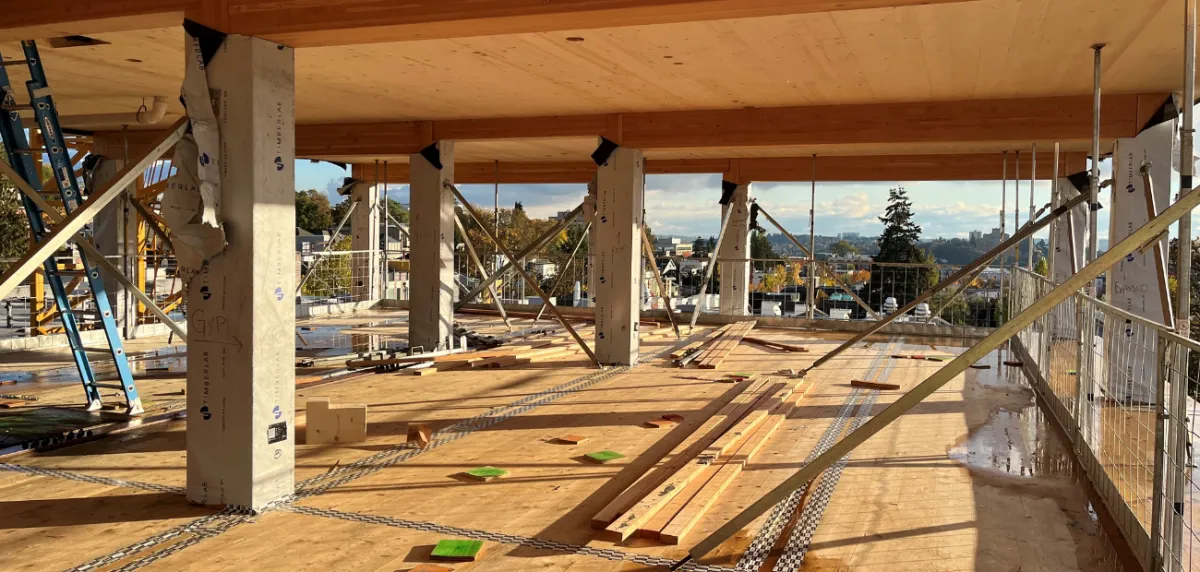
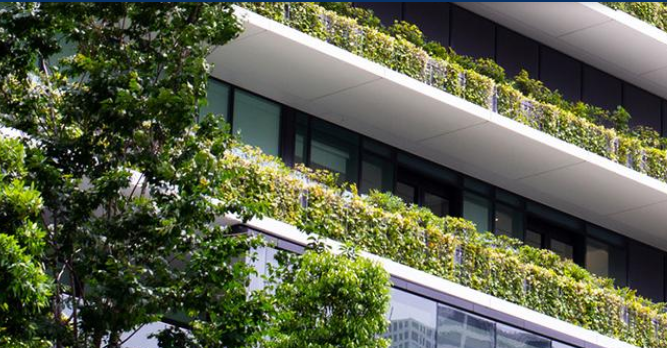
Possibly, but these should undoubtedly be designed and built in accordance with more solid sustainability criteria. In terms of materials, wood is being proposed, or even more radical solutions in which skyscrapers have an enviornmental or even a social function.
The Mjostarnet building in Norway, standing 85.4 meters tall is one of the tallest timber buildings in the world. This material has a neutral or even negative carbon footprint, if we take into account the CO2 absorbed by the trees.
Perhaps various aspects need to be fine tuned for them to be a consolidated reality, but they would appear to be emerging as alternatives for us not to have to choose between skyscrapers or protecting the environment.
Images | Unsplash/James Coleman, Unsplash/Kit Suman, Unsplash/Ruslan Bardash, eVolo