



Author | Ana Pardo VarelaCloud and Edge Computing are two terms that can cause confusion among Internet users, but also in some administrations that often accelerate their digital transformation, without having a particularly in-depth knowledge of the subject. Although the two are closely related, it is important to know the differences between two technologies which, rather than replace one another, complement one another. And in fact, have very different uses.
Cloud Computing
The birth of what we now know as the “cloud” opened up new possibilities in the technology world. We no longer needed to use high-capacity devices to store our data. Numerous software programmes began to emerge, which allowed us to store our data remotely without having to saturate our devices. This assisted the way in which companies’ natural processes were managed, since various members of a team could access the same information from any device and from anywhere.The existence of the cloud also enabled machines and “things” to connect to an increasingly overcrowded Internet. A clear example of a cloud-connected-device is a telephone, which automatically sends its photos to a remote storage service to be stored, but also many municipal database systems used by citizens to carry out their online formalities.The millions of internet-connected-devices (widely known as the Internet of Things or IoT) are now getting left behind in terms of technological evolution. This means the mission is to collect information to then be transferred to a large data centre, which is the cloud. Here the data will be analysed to obtain certain conclusions and, sometimes, send an informative reply.Although remote or cloud processing has reduced the need to use local machines to carry out complex tasks, certain processes require a speed and swiftness of response, which the cloud is unable to provide.The conclusion is that all these devices maintain a passive attitude during the process, since they only collect information but do not process it. Resulting in a delay or latency in the exchange of information. Some processes are too slow to be carried out in real time, therefore the cloud is not an option.
Edge Computing: the cloud’s much-needed ally
Today, citizens, administrations and companies demand a better consumer experience and faster responses. According to Amazon, every 100 milliseconds (ms) of latency cost them 1% in sales. Google also stated in this regard that a 500 ms delay in showing a user’s search results caused a 20% drop in traffic. This has led the main technology service providers to switch to the second level, investing heavily in Edge Computing.
What is Edge Computing?
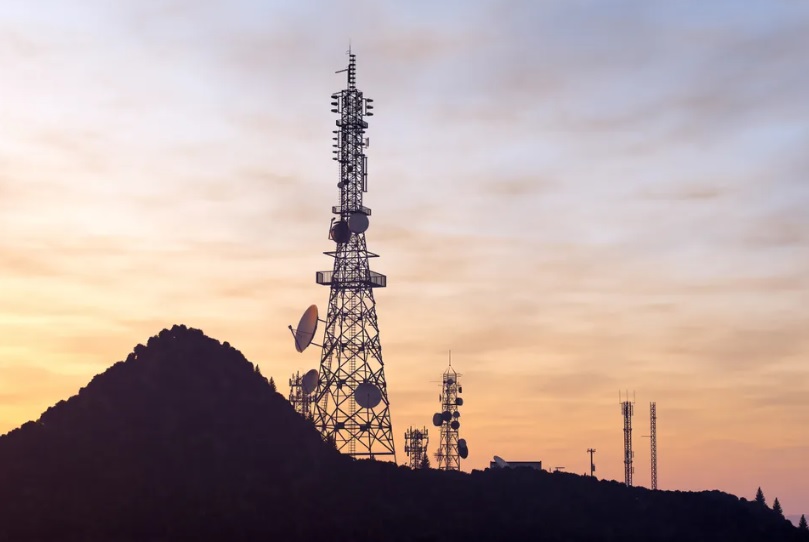
The aim of Edge Computing is to address all the aforementioned problems, transforming passive devices into active devices and thus achieving a rapid response, adapted to current demands. Therefore, what is does, is install data centres close to the device and the user, so they do not have to travel so far to be analysed and obtain a response.By placing the data collection and processing devices closer, the process is accelerated to the point of almost being conducted in real time. These data centres may belong to telecommunications companies. If you think about it, nearly all modern buildings are equipped with fibre optic cables which, in turn, are connected to households or mobile telephone aerials. Speed, security, scalability and low costs are the main advantages of Edge Computing.
Practical cases: In which sectors is Edge Computing being applied?
Autonomous cars
Autonomous cars are being transformed, thanks to Edge Computing, into “data centres on wheels” given all the information they collect about their systems and those surrounding them. If this information is obtained in real time, driving will be much more precise and safer. In this case, their sensors can gather traffic information to be sent in real time to management devices integrated in the actual network of traffic lights, enabling these to be managed without going through the cloud or before reaching it.
Commercial airplanes
During a commercial flight half a terabyte of data can be generated which will subsequently be analysed to identify the necessary maintenance actions. If this information could be processed within the actual plane, the stoppage time on the ground would be reduced considerably. It is the device’s own sensors and systems that carry out most of the minor analysis tasks, leaving the cloud to do only those that cannot be done on earth.
Electrical Networks
If the sensors in wind parks or the smart meters on the panels installed in households could process their own data, the network’s response to demand would be much faster and much more efficient. We would no longer have to wait for the weighted response from the power stations and their processing centres based on heavy analyses, instead, households themselves would be able to carry out their own demand or generation requests much more efficiently.
5G and the explosion of Edge Computing
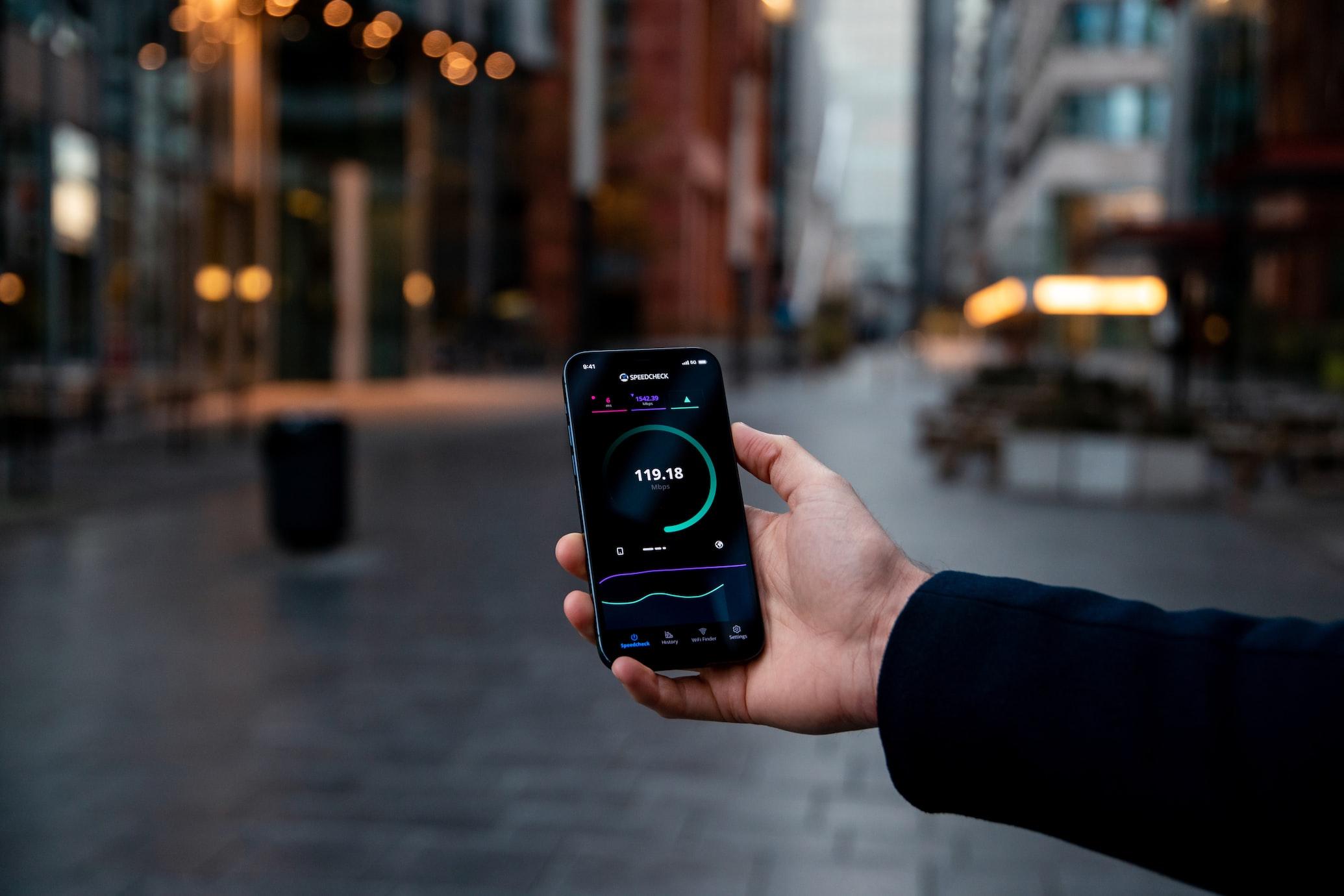
The main problem Edge Computing is facing is immediacy. Since its task is to pre-process or process large amounts of data in situ in order to simplify tasks which will then be carried out on the cloud (or by simply downloading this, connecting numerous Edge devices as a local network), it is essential to have a high-speed and stable transmission system.LTE technology did not measure up and cabling is simply too problematic in terms of infrastructure maintenance. 5G would appear to be the solution. Its greater bandwidth, highly reduced latency and capacity to connect a vast volume of heterogeneous devices simultaneously and in a stable manner, will enable data to be collected on a massive scale for immediate analysis which, in turn, will result in a more efficient and economic management.Of course, this data collection will also entail a responsible use of these. Cities must be clear on how they use this data if they want to avoid violating their citizens’ rights, not to mention the risk of these data being used for potentially hostile purposes for the more disadvantaged sectors of the population.Images | Taylor Vick, Pietro Jeng