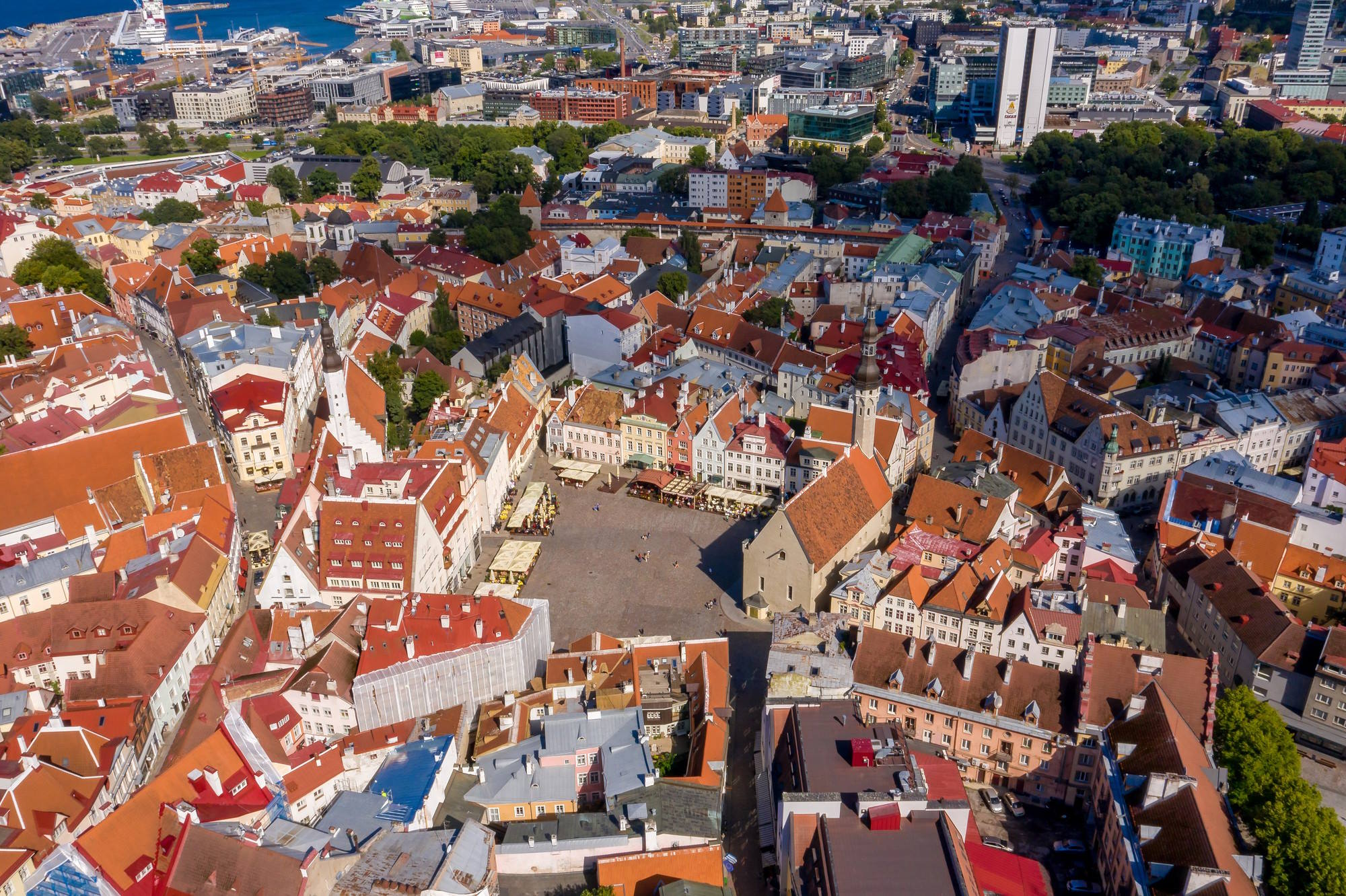




Author | Patricia M. LicerasEuropean cities are showing an increased commitment to sustainability and, in this journey towards achieving greater energy efficiency and becoming climate neutral cities, the management of buildings plays an important role. Some estimates suggest that these are responsible for over 40% of the energy we use and, therefore, of the carbon dioxide emissions that enter the atmosphere as a result of this use.In areas such as Europe, with such a rich history and cities full of ancient buildings, the energy efficiency of this entire historical heritage needs to be improved if we want a cleaner environment, but without altering the design an structure of these buildings in any way.
Smart technology in historic buildings
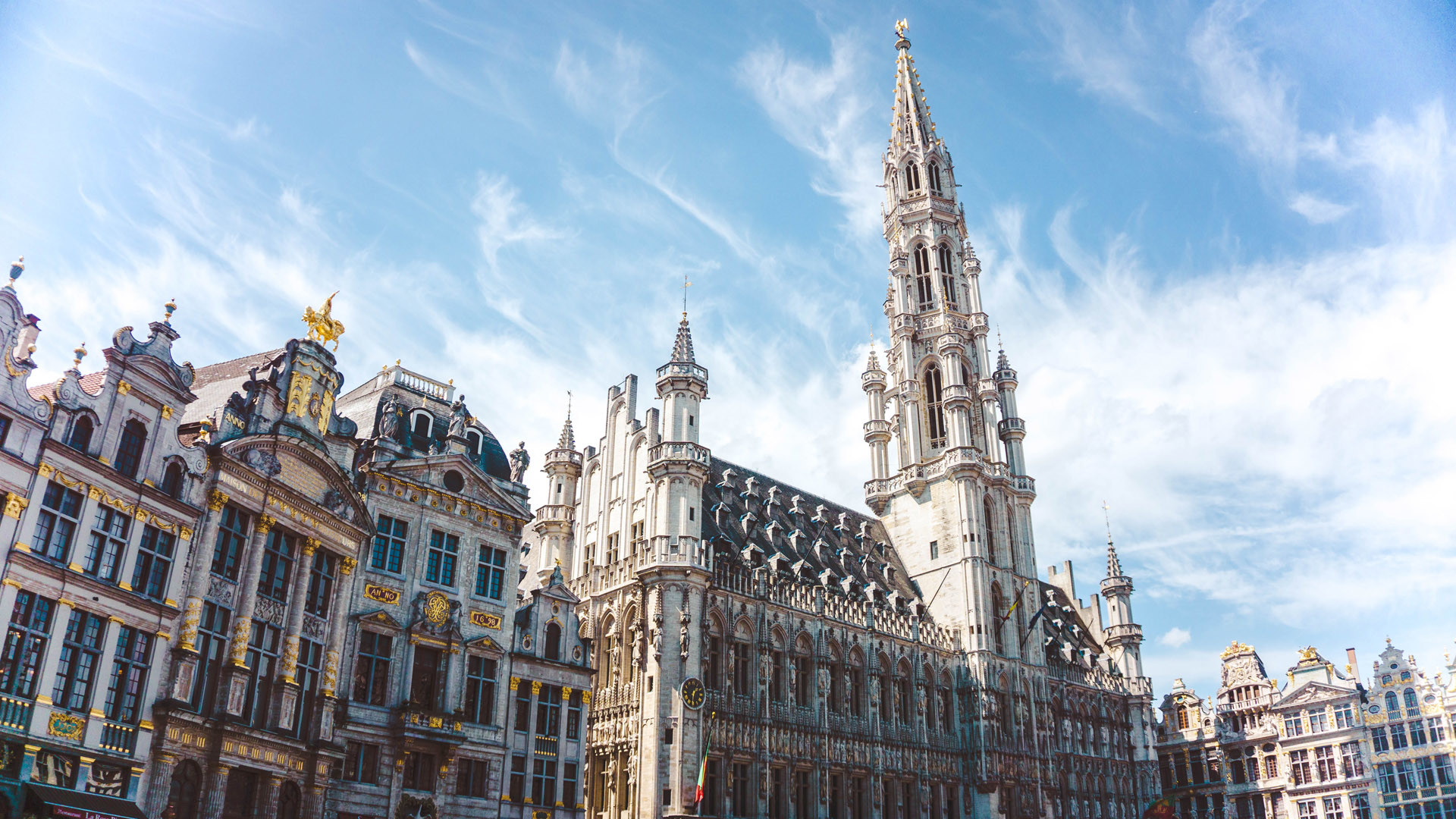
With this goal in mind, the authorities in Brussels have launched a project, with the companies Siemens and Arup, to analyse the challenges that need to be addressed in order to progress as a smart city. And one of the main lines of action taken from this analysis, is precisely the need to modernise its historic buildings. In fact, the German technology company has recommended that the Belgian capital should implement smart energy management systems in its ancient buildings, to enable the energy supply to match the demand at all times. This would enable these buildings to reduce their energy consumption when the rooms are occupied or if the windows are open or adapt the lighting and comfort systems.According to Siemens, applying this technology could result in up to 30% savings on energy in these types of buildings. More specifically, it could lead to annual electricity and heating savings of 320 gigawatt-hours and 850 gigawatt-hours respectively for nondomestic buildings.
Redesigning the European District of Brussels
 The capital of the European community has been trying to establish itself as one of the most avant-garde cities for some time now and, with this goal in mind, it has recently hired a consortium made up of four European companies to renovate the oldest buildings belonging to community institutions in the city. The new buildings will be based on sustainability and energy efficiency. In figures, energy consumption will be reduced by 70% and CO2 emissions into the atmosphere by 50%, according to the European Commission.The redesigned European District of Brussels will house around 5,200 civil servants and it will have gymnasiums, nurseries, restaurants, exhibition and conference halls, meeting spaces, etc. And it will have two towers which, according to the developers, will become the two landmarks of the Belgian city. The proposal focuses on the concept of public space and the creation of an environment that is not solely for European Union civil servants, but for all the residents in the district and visitors. The first phase of the renovation project is planned for 2025.
A European Union that is more respectful of the environment
 Adapting to the requirements of 21st century architecture, which sees sustainability and energy efficiency as two inalienable elements, in 2017, Brussels completed the renovation of the Astro Tower, which was to become the tallest green city in Europe in terms of energy efficiency and consumption. The numbers speak for themselves: energy consumption was reduced by 90% and heating expenses by 60%.The community capital is a true reflection of the efforts to combat climate change being carried out by the European Union, which has established the goal of reducing CO2 emissions by 40% by 2050, a goal which the European Parliament wants to increase to 50 or 55% by that date. What is essential is for this to become an example to be followed by other cities that also have a vast number of old buildings with a poor energy performance.Images |Yeo Khee, François Genon, ALTIPLAN Architects