



Author | Eduardo BravoOne of the most repeated phrases during the COVID-19 pandemic has been that coronavirus does not distinguish between borders. However, just because the coronavirus does not have borders, does not mean that it does not differentiate between governments. While some western countries minimized the danger and reacted late or directly opted for herd immunity, others, many of which belonged to developing countries, acted quickly to prevent the spread of the virus among their population.This is the case of some African countries which, apart from acting faster than many European countries, decided to do so with their own means so they did not have to depend on foreign aid.
Local manufacturing of medical equipment: ventilators and 3D masks
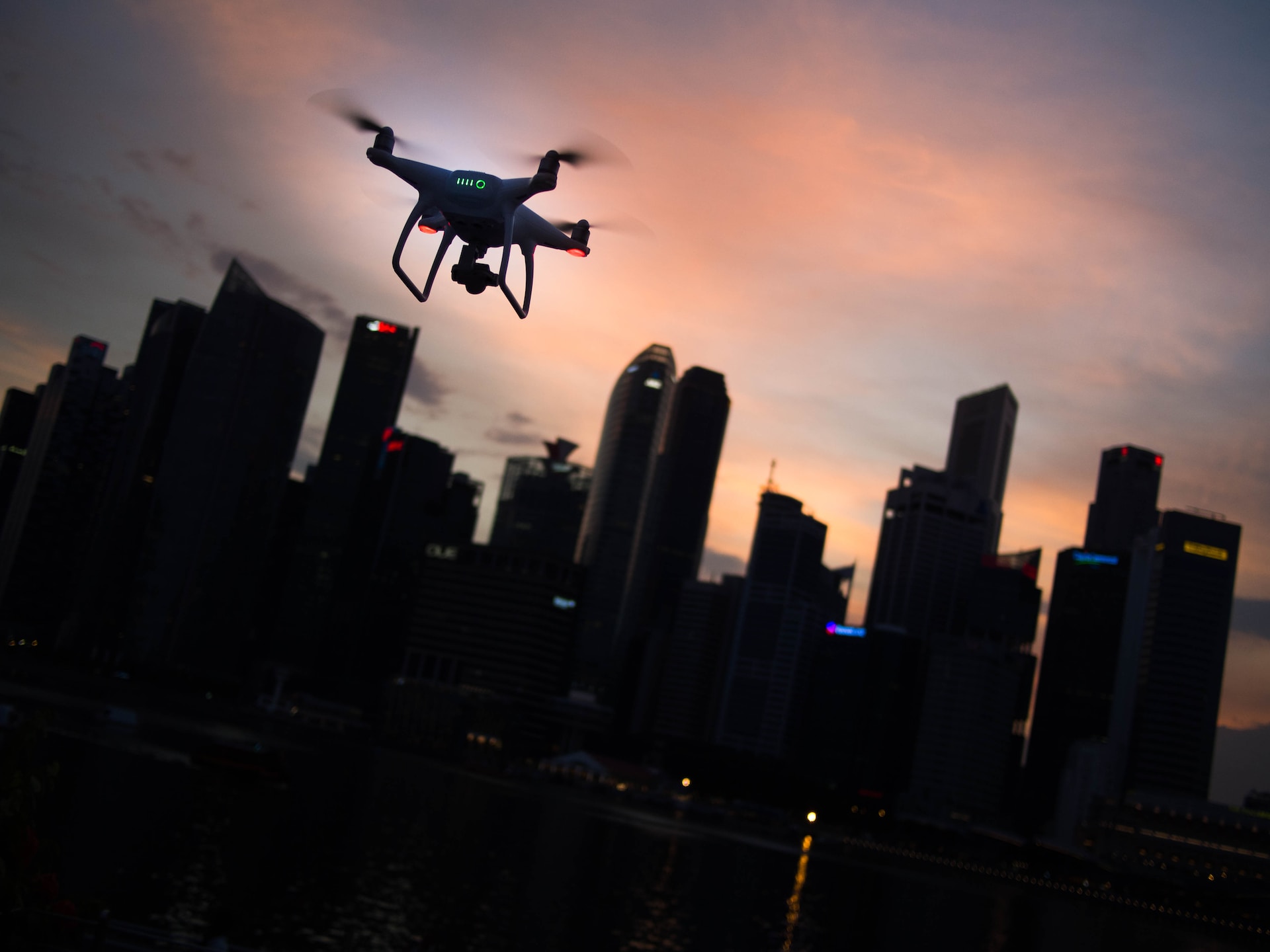
Although the virus was slower to spread on the African continent than in China or in central Europe, the scarcity of health services in many African countries predicted a large number of infections and a high death toll. To prevent this, the authorities established measures such as the confinement of the population, closing tourist sites in places such as Egypt and Kenia, controlling citizens with drones, the installation of handwashing stations in public places and the creation of awareness campaigns.Together with these initiatives, companies in cities such as Nairobi and Porto Novo, began, on their own initiative, to manufacture 3D printers, protective masks, adapters so a ventilator could be used by various patients or, directly, locally-made artificial ventilators, the cost of which ranged between 500 and 1,000 dollars, ten and twenty times less than the cost of a ventilator from abroad.
Development of tracking apps
 In addition to these mechanical initiatives, others have been developed in the digital arena, which take advantage of the fact that mobile phone usage is commonplace among the African population. In the Kenyan city of Kisumu, the company FabLab, has developed an app so citizens can know if they have been in contact with asymptomatic people or those who do not appear to be infected but who have been diagnosed at a later date.Thanks to this app called Msafari (M for Mobile and Safari, as it is the Swahili word for journey), public transport users can exchange details of their journeys with the database of infected people and find out if any of the passengers with whom they travelled have had any symptoms after the date of the journey and therefore quarantine themselves or request a diagnostic test.Although experts warn that it is too early to claim victory, the truth is that as of June 21, 2020, Africa had 300,000 infections and 8,000 deaths. To put these figures into context, one only has to think that, on that same date, New York had already exceeded 30,000 deaths.
 In any event, experts believe these figures are not just the result of the decision made by the governments or local technology. Other relevant data must also be taken into account, such as incorrect calculation of cases, the fact that the African population pyramid is one of the youngest in the world -with the coronavirus being particularly lethal among the elderly- or the fact that it is a less globalized and more extensive continent in which there is less movement of people than in the west.Other analysts, however, indicate that Africa is a continent often crippled by malaria, tuberculosis, cholera, HIV and Ebola, which has made so many governments and citizens get used to working together to protect the health of the population. This attitude will have been key in the case of COVID-19, as illustrated by Mehul Shah, partner of Ultra Red Technologies, a company that produces 3D ventilators, who told AFP that “companies are thinking about how they can use their resources to help. While in other situations they would be competing with one another, now they are working as a team”.Images | ninastock, dimitrisvetsikas1969, antonynjoro,Monlaw, Portraitor