



Author | Jaime Ramos
The hospitality industry has been one of the hardest hit sectors by COVID-19. It is now trying to recover and rebuild its volume of business as it was pre-pandemic. Latest technology trends in guest management, automation and energy efficiency may be its best ally. But recovering the pre-Covid splendor will not be easy.
According to a study conducted by the American Hotel and Lodging Association, four million hospitality jobs were lost in the U.S. in 2020. The association believes it has eliminated ten years of job growth in the sector. Practically every country in the world is facing a similar situation.
The sector will gradually recover. While experts formulate different scenarios, some business owners within the industry are looking to innovate and renew.
What is a smart hotel?

This renewal comes with what are known as smart hotels. These are hotels that make use of latest technologies for the benefit, not only of their guests, but also owners.
This in turn has an effect on the cities in which they are located thanks to improved sustainability practices at a local level; with an economic boost for the hospitality industry and the technology sector in the area and tourism promotion.
How do smart hotels work?

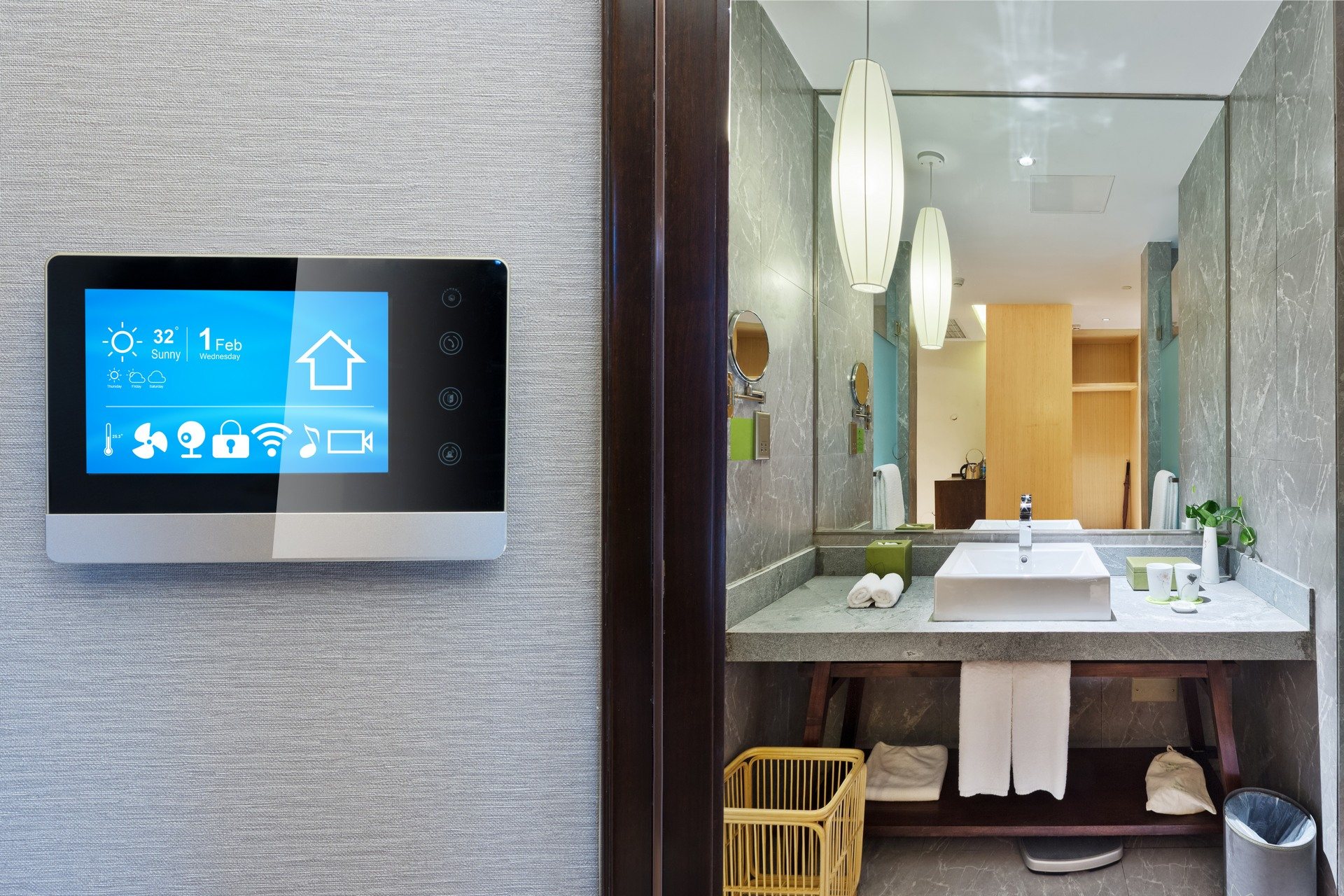
With the use of technology, smart rooms can be created. The Internet of Things and big data management can also help reduce operational costs.
Smart Hotel technologies that benefit guests and owners
Total connectivity thanks to the Internet of Things (IoT)
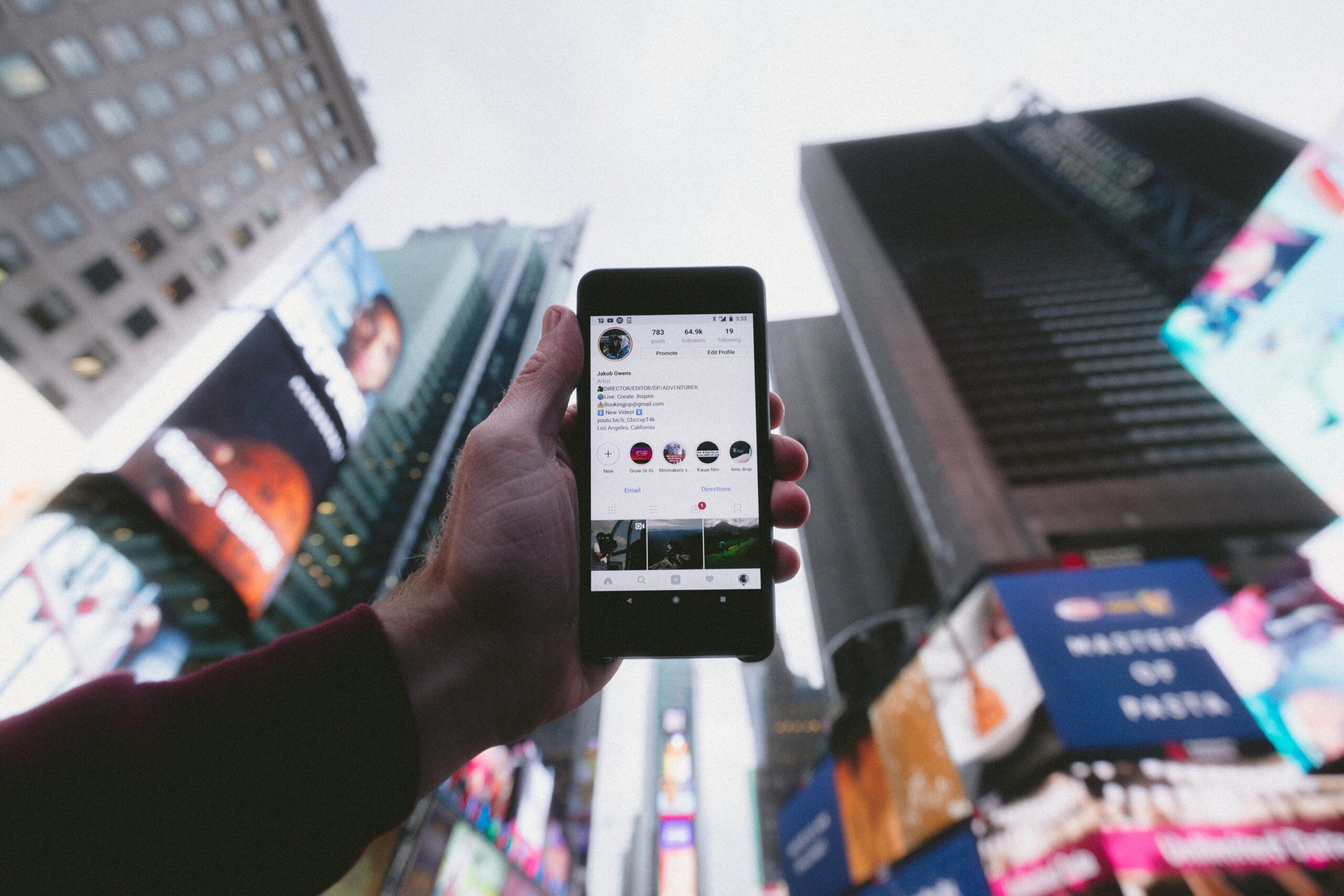
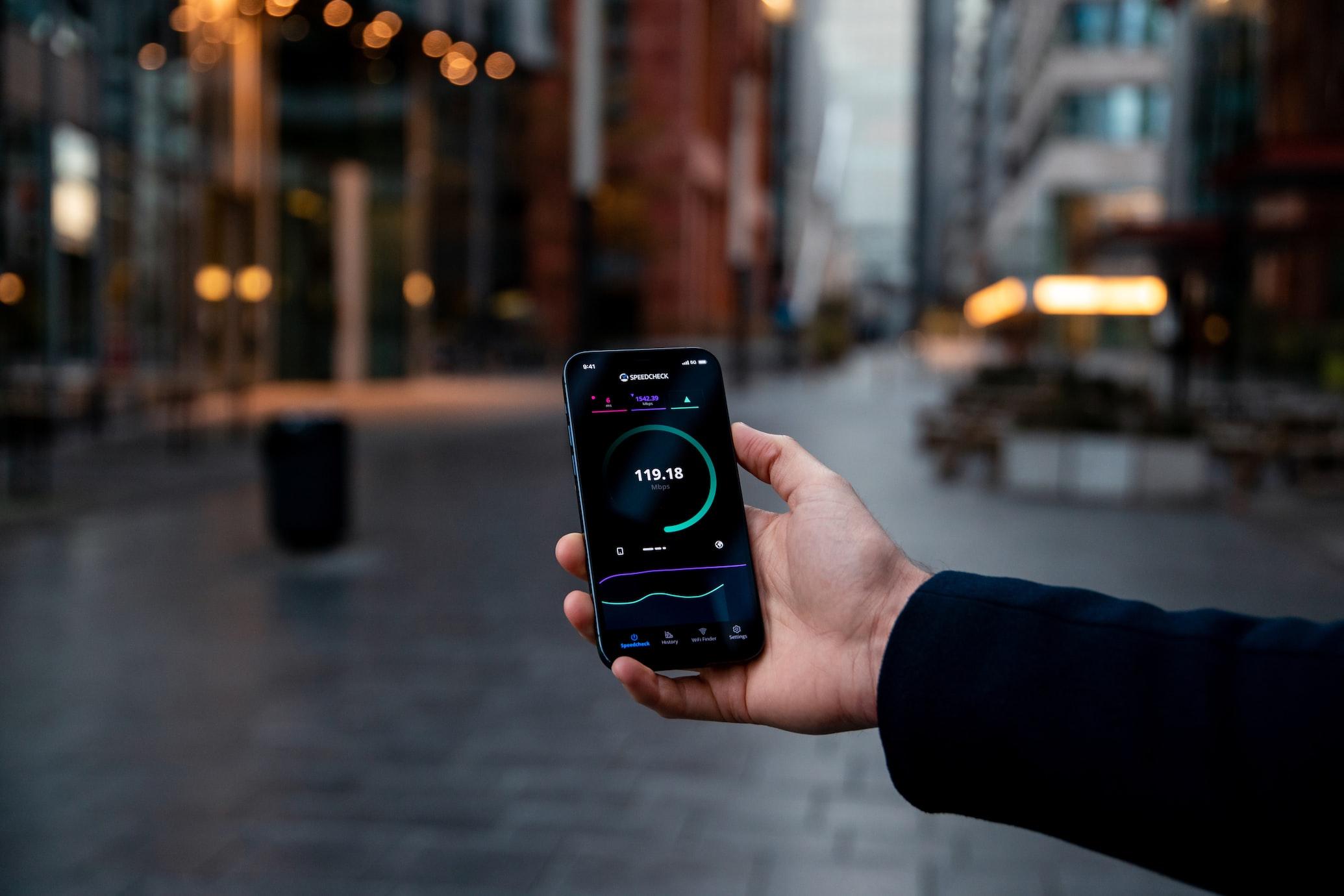
The power of the IoT for hotels materializes through tasks that guests can carry out via their smartphones. Smart hotels allow guests to control room temperature, call for room service and even check-in and check-out.
Understanding data flow
The establishment administrators also use IoT to gain a better understanding of their guests’ requirements, establish which are the most used services and improve their internal processes.
Thanks to Big Data management tools, smart hotels can perfect their services and reduce costs. They have greater control over bookings and cancellations and can optimize hotel occupancy based on the tourist season.
Robots in the workforce

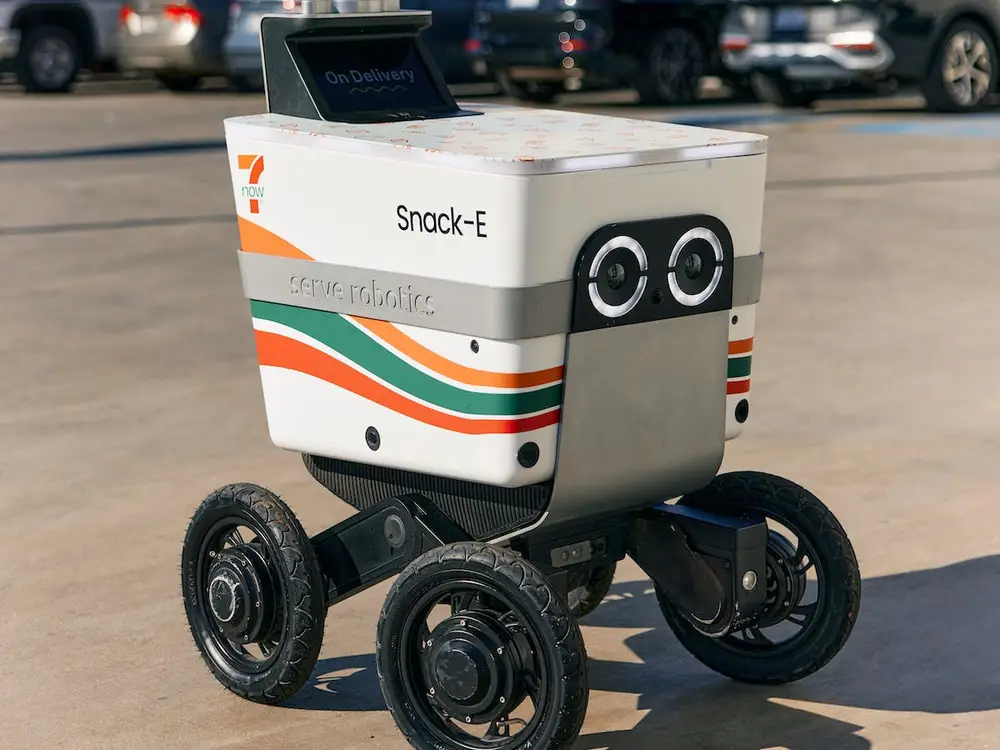
It sounds like science fiction, but there are actually a considerable number of hotels that have decided to include robots in their workforce as front desk robots or room service assistants. We can find examples of these in the Yotel chain in Singapore, in various hotels in Japan, or in Europe in the 25hours Hotel The Circle, Cologne.
In the Westin Houston Hotel (United States), robots have proven their worth for disinfecting rooms and combating the impact of the pandemic on business.
Apart from the economic benefits for the hotel, robots are an attraction for curious guests who want to see how this promising technology of the future works.
Sustainability solutions in rooms
Smart management of the hotel’s energy requirements is another basic pillar of any smart hotel. Optimizing sustainability through smart lighting, temperature control or water consumption saving solutions.
A mission that not only concerns hotels. Because, according to the Booking.com Sustainable Travel Report 2018, 67% of guests would spend 5% to help reduce the environmental impact of their stay.
Although many of the solutions mentioned above can only be implemented in luxury hotels, the cost reductions that will inevitably come with the expansion of the technologies outlined above, will lead to these features being generally available in all types of establishments.
Images | iStock/zhudifeng, iStock/Wavebreakmedia, iStock/Chesky_W